Learn how McDonald's has partnered with Zappi to build its test-and-learn approach to innovation, rather than a "test to earn a good score" approach.
The State of Creative Effectiveness: Social Video 🎥

Learn how McDonald's has partnered with Zappi to build its test-and-learn approach to innovation, rather than a "test to earn a good score" approach.
Learn how McDonald's has partnered with Zappi to build its test-and-learn approach to innovation, rather than a "test to earn a good score" approach.
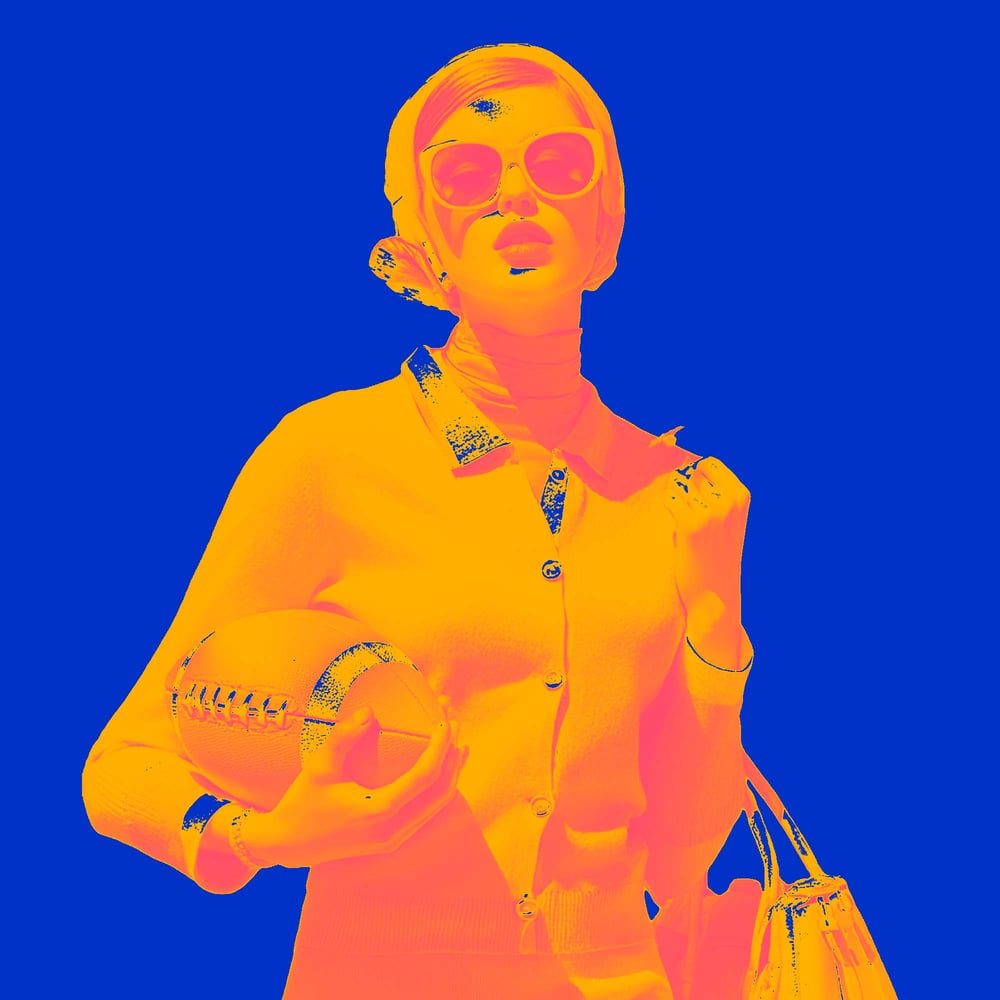
For decades, Super Bowl advertising has been dominated by big brands in the food and beverage, alcohol, automotive and tech categories.
Luxury brands, however, have traditionally stayed on the sidelines. The thinking here was simple: Exclusivity and mass exposure don’t naturally mix.
But that dynamic is changing.
From high-end fashion houses to premium beauty and automotive brands, more luxury marketers are stepping onto the Super Bowl stage to claim cultural relevance and reach new generations of consumers in one shared moment.
The opportunity is real. But so are the risks, even when it comes to luxury.
In an environment built for entertainment and celebrity spectacle, luxury brands face a different challenge than most: How do you show up without looking like everyone else? Without diluting what makes you premium in the first place?
In this article, I’ll cover how luxury brands can make the Super Bowl work for them and how to ensure the right creative decisions are made before millions of dollars are on the line.
What can you learn from Super Bowl advertisers this year? Get our exclusive report with the best tips and takeaways.
Luxury advertising has historically lived in controlled spaces. Think: Glossy magazines and private experiences.
The Super Bowl is exactly the opposite. So why now?
Today’s luxury buyers aren’t simply browsing boutique windows, they’re scrolling TikTok, watching live sports and participating in the same cultural moments as everyone else.
And the Super Bowl is much more than a football game. It’s become a national stage for relevance.
For luxury brands, appearing there signals something powerful: Cultural authority. It says, “we’re not niche, we’re iconic.”
In today’s world, a well-executed Super Bowl spot can help luxury brands:
Elevate brand stature
Introduce the brand to emerging affluent audiences
Reframe the brand as modern and culturally plugged-in
Create earned media far beyond the 30-second slot
But that scale comes with tradeoffs.
Luxury thrives on scarcity and craft. The Super Bowl thrives on spectacle and entertainment.
That mismatch creates real risks:
Overexposure could reduce perceived exclusivity
Creative could feel too comedic or gimmicky
Celebrity-driven storytelling could overshadow the brand
Visual shortcuts could erode premium cues
In short: It’s easy for luxury to look ordinary in this space. And once a brand feels ordinary, it’s hard to get that premium perception back. So how can luxury brands considering appearing at events like the Super Bowl make it work?
Winning luxury creative doesn’t try to compete with the loudest ads. It plays a different game, one that focuses on staying true to their brand cues.
While other brands that advertise at the Super Bowl can also do an excellent job at staying true to their brand, this is a smart play for luxury brands to pay attention too.
Typically, luxury brands rely on subtle but powerful signals. Think: Bold set design, pacing, craft, sound and image quality. These are the types of cues that communicate high quality, sometimes before a word is even spoken.
Last year’s Neiman Marcus Summer 2025 campaign is a great example of this:
In a Super Bowl environment, protecting these cues is critical:
Cinematic lighting and composition
Slower edits and intentional pacing
Elevated production design
Minimal, confident storytelling
Focus on craftsmanship and materials
When these signals disappear, the brand stops feeling premium. Storytelling that reinforces history, artistry or mastery will travel better than punchlines, even if that’s the more common move at the big game.
Brands can often lean on humor or spectacle for their big game moment. It’s worth noting that this certainly isn’t always the case — we’ve seen some standout ads from this year’s big game (like the NFL’s “You Are Special” and Dove’s “The Game Is Ours”) that involved wonderful storytelling filled with emotion.
But as we mentioned above, luxury needs to operate differently. Instead of pulling at the heartstrings or evoking nostalgia, the emotional drivers luxury brands focus on typically include:
Desire
Aspiration
Belonging
Self-expression
Status
These emotions can feel more slow-burn or atmospheric, very different from both a humorous or emotional Super Bowl ad.
Then there’s the practical challenge all brands are facing: Attention.
The Super Bowl is noisy, filled with spots that demand attention. Which can mean that the slower, quieter ads risk being missed.
But they can also stand out precisely because they break the pattern.Think: Coinbase’s QR code ad at the 2022 Super Bowl.
This “quiet luxury” effect — calm in the middle of chaos — can create memorability if done well. The key is intentional (well-branded) contrast, not low energy.
Because the stakes are high — often $8M+ per placement before production — even luxury brands can’t rely on instinct alone.
Like all the other brands advertising at the big game, they need evidence that the creative works, but in a way that still feels premium and breaks through.
That's why it’s critical for luxury brands to test their campaign ideas early, so they can make sure they’re on the right track before too much time or investment has been made.
This type of early testing should answer:
Can viewers recall who the ad was for?
Does this still unmistakably feel like us?
Is it premium?
Testing scripts, storyboards or animatics help to identify:
Where premium signals are lost
Where casting or tone feels too mainstream
Whether exclusivity is diluted
If viewers stop coding the brand as luxury, the idea needs refinement.
Beyond awareness, luxury success depends on its brand equity.
In these cases, creative should also be measured against metrics like:
Perceived quality
Distinction
Desirability
Prestige
As with any ad, if it entertains but lowers the brand signals, it’s doing damage. Testing helps ensure excitement doesn’t come at the expense of brand value or recall.
Breakthrough matters, arguably even more so on a stage like the Super Bowl.
But for luxury, it needs to happen without shouting. Using emotional and attention- driven diagnostics (like those available in Zappi’s advertising platform) brands can see:
Which moments capture attention
Whether subtle cues are noticed
Where viewers disengage
How and when emotional intensity builds
This makes it possible to optimize for impact while protecting tone.
Not all luxury stories work the same way. You have to decide which route is the right fit for your brand, which should be consistent in how you have shown up elsewhere and over the years.
For instance, this could include:
Heritage-led storytelling
Modern minimalist design
Celebrity-led prestige
Craft-focused narratives
And there may be opportunity for overlap between some of these, which is where testing different routes side-by-side can help to reveal which approach(es) best balances reach and desirability for the brand.
Zappi’s Advertising System helps brands create winning ads with connected insights through our modern consumer research platform.
While we covered this briefly above, start with early stage concept testing to validate:
Mood and emotional arc
Brand fit
Perceived premiumness
Story clarity
This prevents expensive rework later.
To make sure you’re staying on track from the idea to the final ad, before launching the fully developed ad, research with consumers again to optimize the ad to its fullest potential.
This includes:
Final edits
Casting and styling
Sound design and music
Pacing and cut length
End frames and branding
Luxury is often decided in the details.
The Super Bowl isn’t just a one-night event.
For luxury brands, the real value often comes afterward through digital extensions and brand equity lift.
Post-launch testing with Zappi helps determine:
Whether equity improved
Which moments drove impact
Which cutdowns or assets should anchor Q1 campaigns
How the creative performs outside the live game context
This turns a single spot into a broader system of assets as well as allows you to review the campaign’s impact.
Luxury brands don’t need to outshout at the Super Bowl. They need to outclass it.
Overall, the brands that win are those that resist the temptation to go bigger and louder and instead stay disciplined about what makes them distinctive in the first place.
Because when luxury shows up with confidence and craft (even in the loudest room) it doesn’t just participate. It stands apart.
What can you learn from Super Bowl advertisers this year? Get our exclusive report with the best tips and takeaways.
Stay up to date with our latest insights, tips, and industry news.
Our newsletter delivers insider info to delight your inner insights geek.