Learn how McDonald's has partnered with Zappi to build its test-and-learn approach to innovation, rather than a "test to earn a good score" approach.
The FIFA World Cup is one of the most competitive marketing events. Hosted every four years, the event draws in a viewership of over five billion people.
The tournament is predicted to hit $1.8 billion in sponsorship revenue alone in 2026 with big names like Adidas, Coca-Cola, Visa and Lenovo already claiming their official sponsorship spots for the tournament.
And while official World Cup brand sponsors pay hefty fees for rights, many brands have worked around legal limitations to grow their brand reach and revenue without being official partners.
From official sponsors to rival brands, the most successful campaigns shoot for creative boldness, react quickly to viral moments and prioritize cultural relevance.
In this post, I take a look at some of the best World Cup marketing campaigns across the decades and explore some marketing rumors for the 2026 tournament.
FIFA states this year's event will deliver the highest partnership revenue ever seen for a sports event. FIFA sponsorships provide brands with global visibility and official rights. 16 global sponsor positions have already been filled — meaning two regional slots remain.
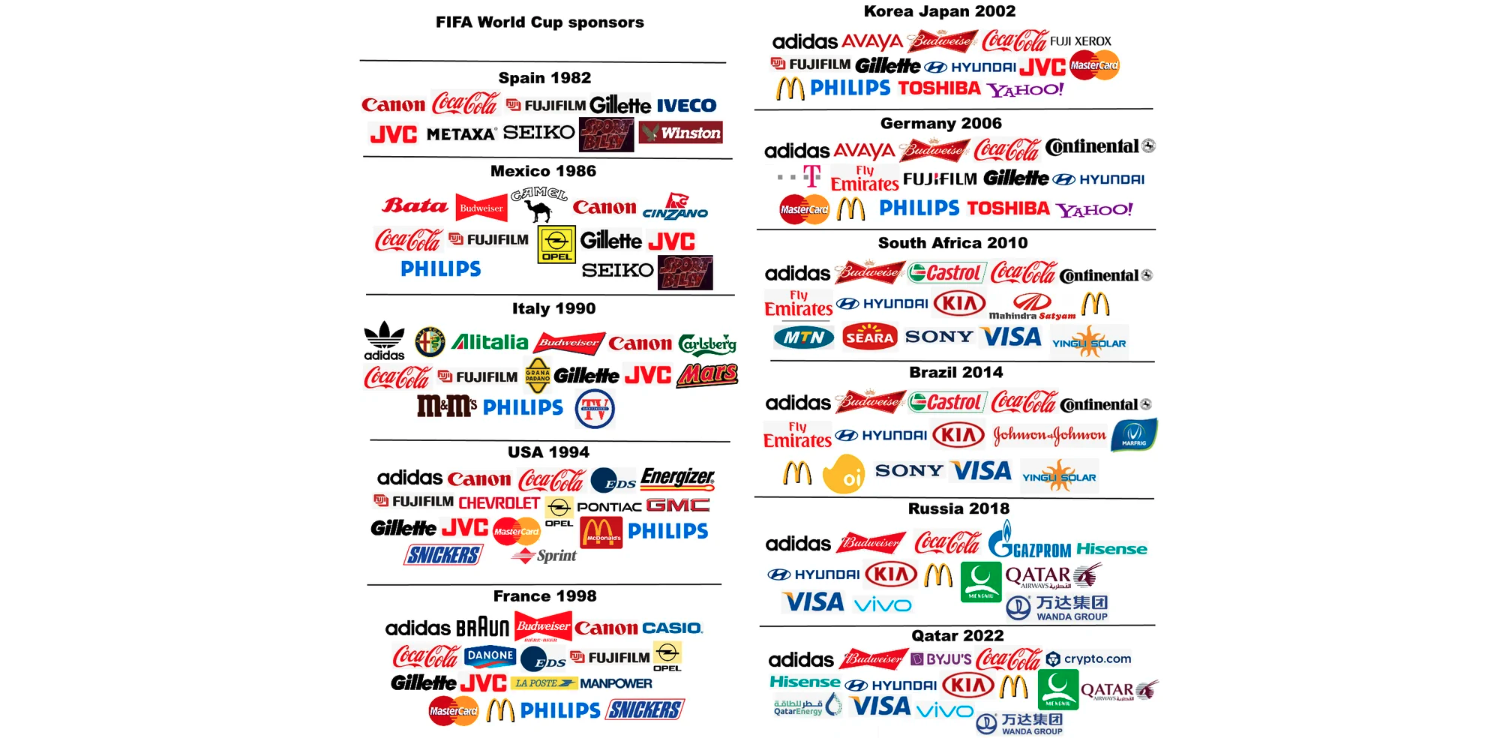
The governing body confirmed that top-tier partner spots have now been taken by Adidas, Aramco, Qatar Airways, Coca-Cola, Lenovo, Hyundai-Kia and Visa. While its sponsor tier includes top-name brands like Verizon, AB InBev, Lay’s, Bank of America, Hisense, Unilever, McDonald’s and Mengniu.
Official partners buy exclusive sports sponsorship marketing rights during the tournament. FIFA legally blocks competitors from the stadium and surrounding area and prohibits them from referring to the tournament, key players and games.
Source: Data is Beautiful Reddit
FIFA partners enjoy the highest level of advertising rights, with FIFA granting them global rights to advertise across all FIFA competitions and organizational branding. While World Cup sponsors secure global rights for the 2026 Men's World Cup tournament, which include brands likeHisense and McDonald's.
Official sponsors enjoy a halo effect, which sees them benefit from a spike in consumer trust and brand equity — directly impacting long-term brand perceptions. In fact, 68% of consumers say they trust official event sponsors more than non-sponsors.
Beyond gameday placements and signage, official brand sponsors have long since developed full-scale coordinated FIFA World Cup brand campaigns that successfully target consumers across markets and channels.
"The strongest sponsorships create multiple touchpoints across the customer journey: pre-event storytelling, live experience, social amplification, content capture and post-event engagement. This layered approach turns a single moment into an ongoing brand narrative." Caitlin Kobrak, DRP Group. (pull please)
Official marketing partners build long-running campaigns that start ahead of the event — tapping into the pre-tournament buzz, creating sponsorship awareness and meaningfully adding to fan’s excitement for the event with authentic content.
They closely follow the tournament — moving in on viral moments and gameday highs and lows in real time with a strong presence across social media. And campaigns don’t stop once the tournament does. Brands continue to market to fans and “replay” the most talked-about moments of the event in the weeks that follow.
Most sponsors in 2026 deliver holistic campaigns that engage fans across channels and formats including:
Targeted app download campaigns
Branded long-form storytelling on FIFA+
Behind-the-scenes content from fan’s favorite players
Immersive experiences like contests, active viewing areas and AR
Match highlights across social channels
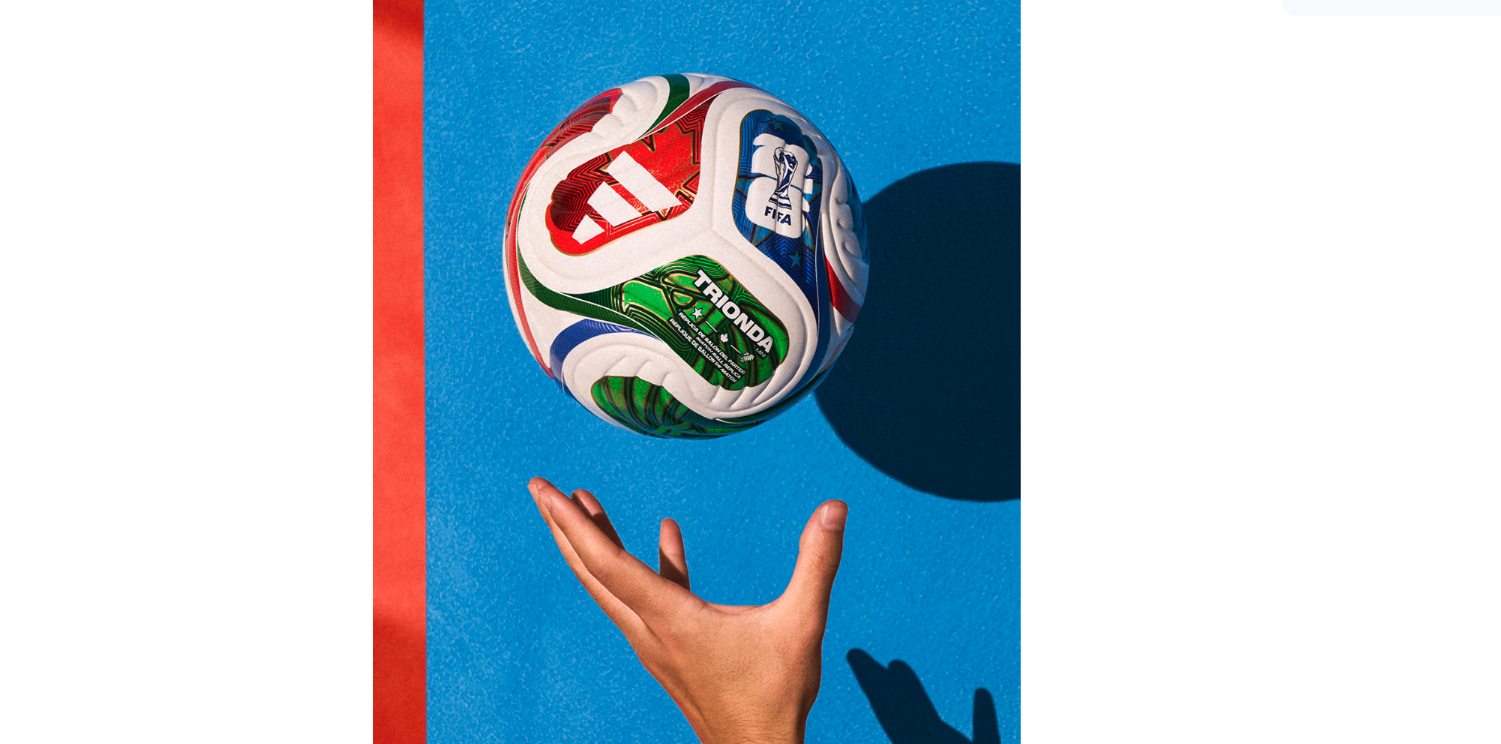
Long-term partnerships build brand equity as consumers come to associate specific brands with top-of-the-league soccer. Take Adidas, which has been a brand partner since the 1970s — supplying the official match ball for the game.
Source: Versus
The long-standing tradition has allowed Adidas to showcase their innovative technology and stylish football designs to millions of fans, capitalizing on the brand equity of the FIFA name.
Inside Fifa says, "Among the adidas line of legendary balls were the Tango (1982), the first ball to successfully combine leather and polyurethane, the Azteca (1986), the first fully synthetic ball, the Questra (1994), the polyurethane foam-based ball, the Tricolore (1998) which introduced a syntactic foam layer and the +Teamgeist (2006) that has set new standards with its innovative and highly iconic design and panel-technology."
The 2014 World Cup led to record soccer sales of over $2 billion for Adidas. While the 2022 World Cup merch and accessories sales increased the brand's revenue by 19%.
Coca-Cola has been an official sponsor since 1978, helping the brand solidify their reputation as the official soda of the tournament. Coca-Cola Trademark Global President Arnab Roy called the World Cup, “One of our best recruitment tools for young consumers.” Following the 2018 game in Russia, the brand saw a 6.4% jump in revenue.
Across the decades, Coke has leaned into emotion-driven messaging that helps fans tie their iconic soda to the emotional highs of the game and comforts them during the lows.
"Football is more than a game; it's a shared passion with a tapestry of emotions that unites billions. Our creative vision for this campaign is to harness the incredible energy of the FIFA World Cup™ and the rollercoaster of emotions that only this tournament can deliver, transforming them into real, tangible connections.”
[[- Arnab Roy, President, Coca‑Cola Global Category]]
To celebrate the 2026 game, Coke is rolling out a three-part film series starting with Bubbling Up (released in January 2026). The film zeros in on exploring fan emotions throughout the tournament with an official track recorded by artists like Travis Barker, J Balvin and Steve Vai.
Arnab Roy says: "Throughout the campaign, Coca‑Cola will refresh and encourage fans to embrace the game's emotional twists and turns, sharing its drama, delight, and passion. The campaign underscores Coca‑Cola's deep connection with football, leveraging its status as one of FIFA's longest-running partners. By embracing the ride of every high and low, Coca‑Cola aims to refresh fans as they navigate the emotional rollercoaster of football's biggest event."
Not every brand can afford the reported $100 million placement of a tier-one World Cup sponsor. But many brands successfully build on fan momentum with strategic social campaigns, bold concepts and cultural storytelling that appeals to both local and global fans.
"It's interesting that the most talked about brands at the World Cup 2014 are not necessarily those that shelled out for a vast sponsorship package. Non-sponsors generated nearly three-quarters of all World Cup online ad share."
[[- Alasdair Lennox, The Guardian]]
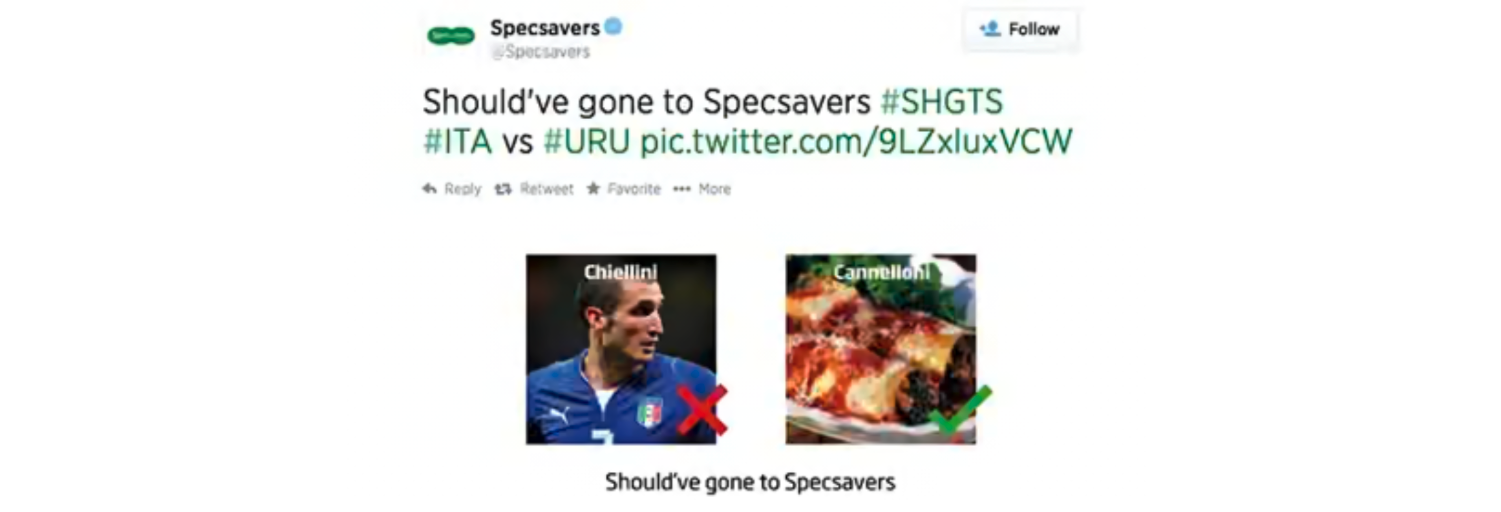
Many quick-thinking marketers jump in on viral moments with witty branded content. Guardian writer Alasdair Lennox writes that his favorite social media moment from a brand during the 2014 World Cup came from popular UK glasses brand Specsavers. The brand snarkily called out Luis Suárez for infamously biting Italian defender Giorgio Chiellini on the shoulder during the group stage match.
Source: The Guardian
He shares, "Luis Suárez famously bit Italy defender Giorgio Chiellini on the shoulder during the 2014 World Cup group stage match. The brand sat two photographs side by side, pointing out the difference between the Italian footballer Chiellini and cannelloni, with the well known tag: 'Should've gone to Specsavers'. The tweet was retweeted more than 13,000 times within one hour and has been retweeted over 29,000 times."
Source: Reddit
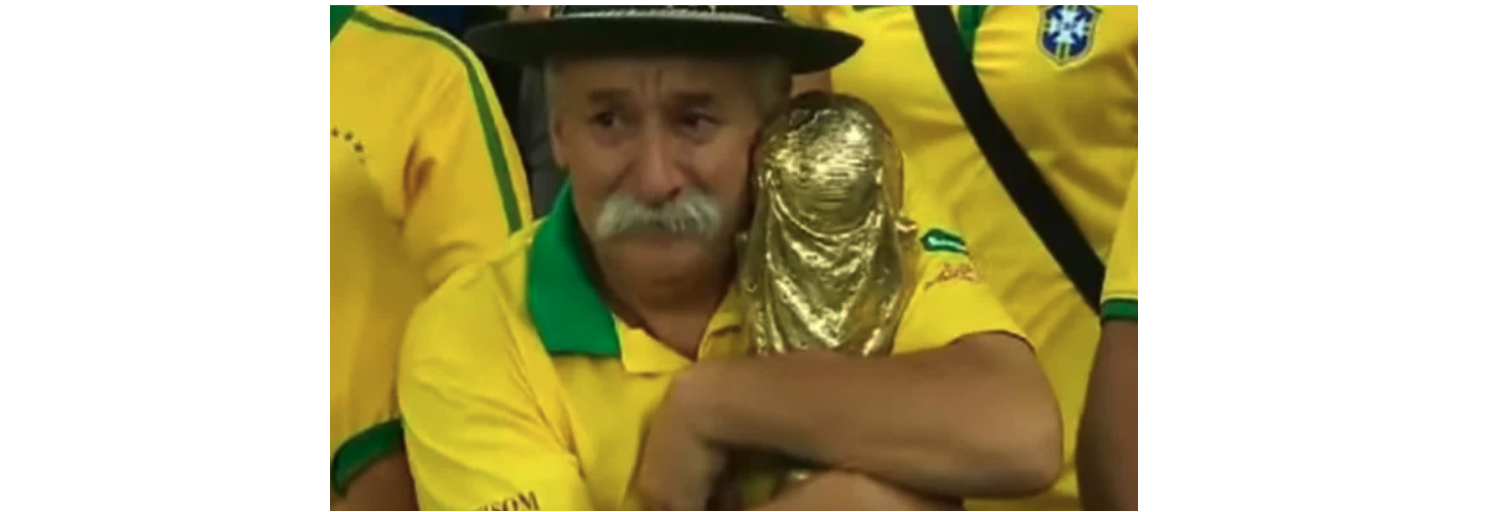
Acosta Fernandes, dubbed by fans as, “The saddest man in Brazil,” holding a replica trophy as he cried. The brand shared an image of their DRÖMMAR (which means dreams) kitchen towel with the playful caption: "Perfect for those moments when you lose 7-1."
Many of the best rival campaigns are social first.
For the 2022 Qatar tournament, brands racked up an impressive five billion interactions across social media. While experts predict that we'll see double the engagement for the 2026 World Cup. Which brands have succeeded in capturing fan attention the most?
The Maverick Group notes how Ryanair became a viral internet icon by mirroring the cheeky humor of the internet. For the 2020 game, Ryanair turned team losses into a comedy roast, with snarky commentary and their now-famous Lo-Fi images.
"The TikTok eyes filter over a grainy picture of a Ryanair plane sounds ridiculous, but it’s become an instantly recognisable, satirical, brand character. It’s the perfect demonstration that content doesn’t always need to be laboured over, polished and perfected. It’s lo-fi, it's cheap and of course, it’s funny."
[[- The Maverick Group]]
After losses from teams like Germany, Spain and Brazil, the budget airline shared fake "boarding passes", a grainy snap of a Ryanair plane alongside the caption, "You've seen them play, now see them fly," — tagging the national teams.
Many of the most memorable World Cup advertising strategies have a strong cultural thread. Coca-Cola's 2022 “Believing is Magic” global campaign was built around three films that showed fans across the world imagining and celebrating their country's win with their own cultural celebrations and traditions — celebrating local cultures tied to a global community of football fans by their love of the game.
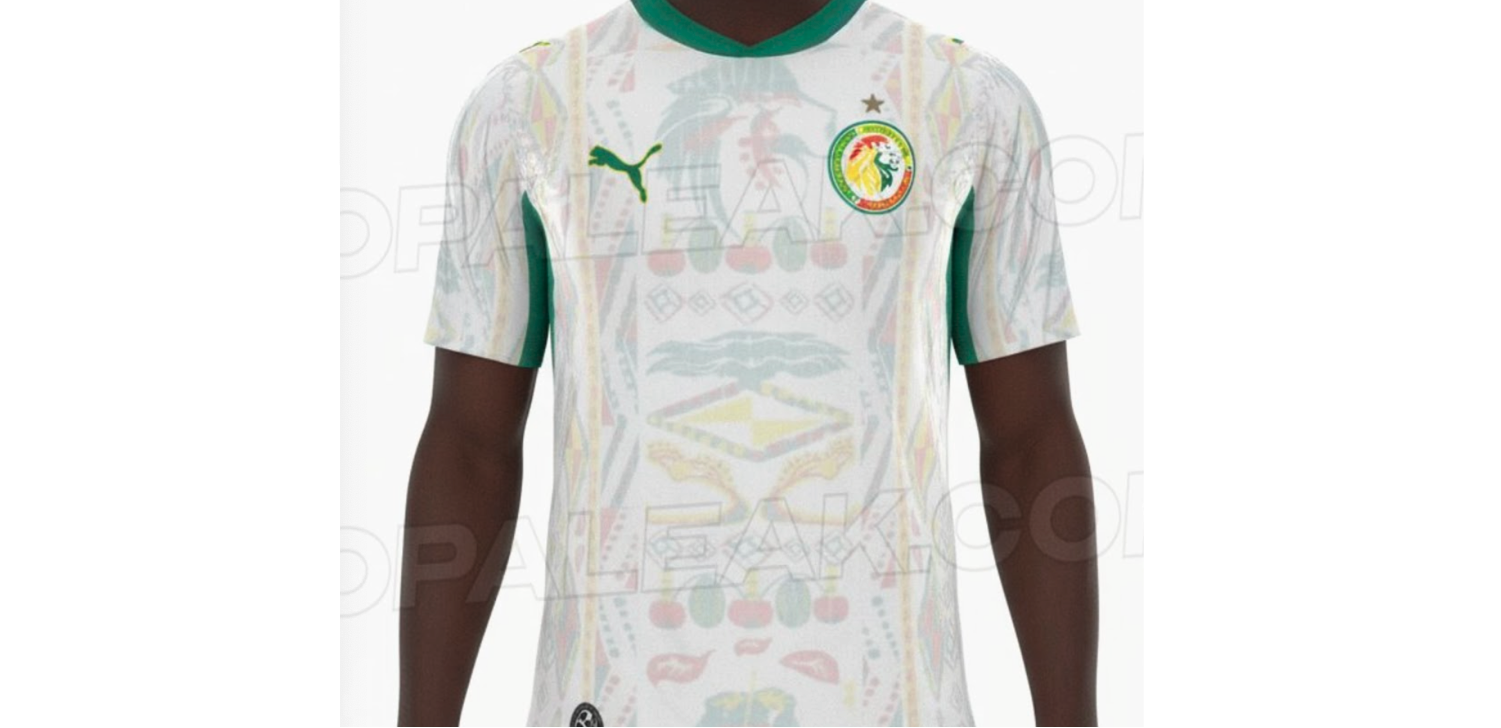
For the 2026 game, Puma's Senegal kits feature pastel graphic designs based on the Car Rapide minibuses — a popular mainstay in Senegalese culture. A nod to the urban street art of Dakar, the shirts were created by Vietnamese kit expert Chuyện Áo Đấu. Here’s a leak of the kit design:
Source: Footy Headlines
Ambush marketing is a strategic marketing approach in which brands create associations between themselves and a big event like the World Cup while avoiding using official terminology and directly referencing FIFA, games, teams or players — a right reserved for official sponsors. Strategies are often creative and disruptive with brands finding inventive ways of attracting fan attention.
Ambush marketing campaigns can be highly effective, blurring the lines between official sponsors and other brands. For the 2014 tournament, 30% of fans thought Nike was the official sponsor of the world cup — rather than their rival and official FIFA-appointed sponsor Adidas.
Let’s explore some of the most effective ambush marketing strategies from brands like Beats and Duolingo.
As Ashley Brantman at The Drum writes, the right player partnerships can take campaigns from passive branding to dynamic fan engagements that add to the fan experience in a genuine and authentic way — making them more fun, memorable and shareable.
Several brands look to collaborate with athletes outside official sponsorship agreements. Nike released their four minute Footballverse ad for the 2022 World Cup. The ad balanced humor, cinematic appeal and celebrity draw.
The commercial featured scientists in a secret Swiss laboratory using a particle collider to test variations of Ronaldo Fenomeno and Cristiano Ronaldo going head to head with each other alongside other popular players. Nike featured Virgil Van Dijk, Edgar Davids, Leah Williamson, Alex Morgan, Kevin De Bruyne and Sam Kerr — capitalizing on their star power, while avoiding Lionel Messi who was sponsored by Adidas.
Unsatisfied with the answer to the question, "Who is the best football player of all time?", the scientists agree they must jump forward in time to find the best player, rounding out the commercial with the message: "You're up," to the next generation.
For the 2014 game, Sony was the official headphones sponsor for the tournament, but Beats by Dr. Dre went viral when they shared a video of some of the World Cup players wearing their headphones and getting themselves amped up for the game.
Their “The Game Before the Game” commercial featured a pre-game hype showing players wearing their headphones as they went through their pre-game rituals. The video racked up more 23m hits on YouTube. On Beats Facebook, the video drew in over 27,000 likes and 1,000 shares.
Brands often compete with official sponsors by advertising outside of official stadium parameters, broadcasts and fan zones.
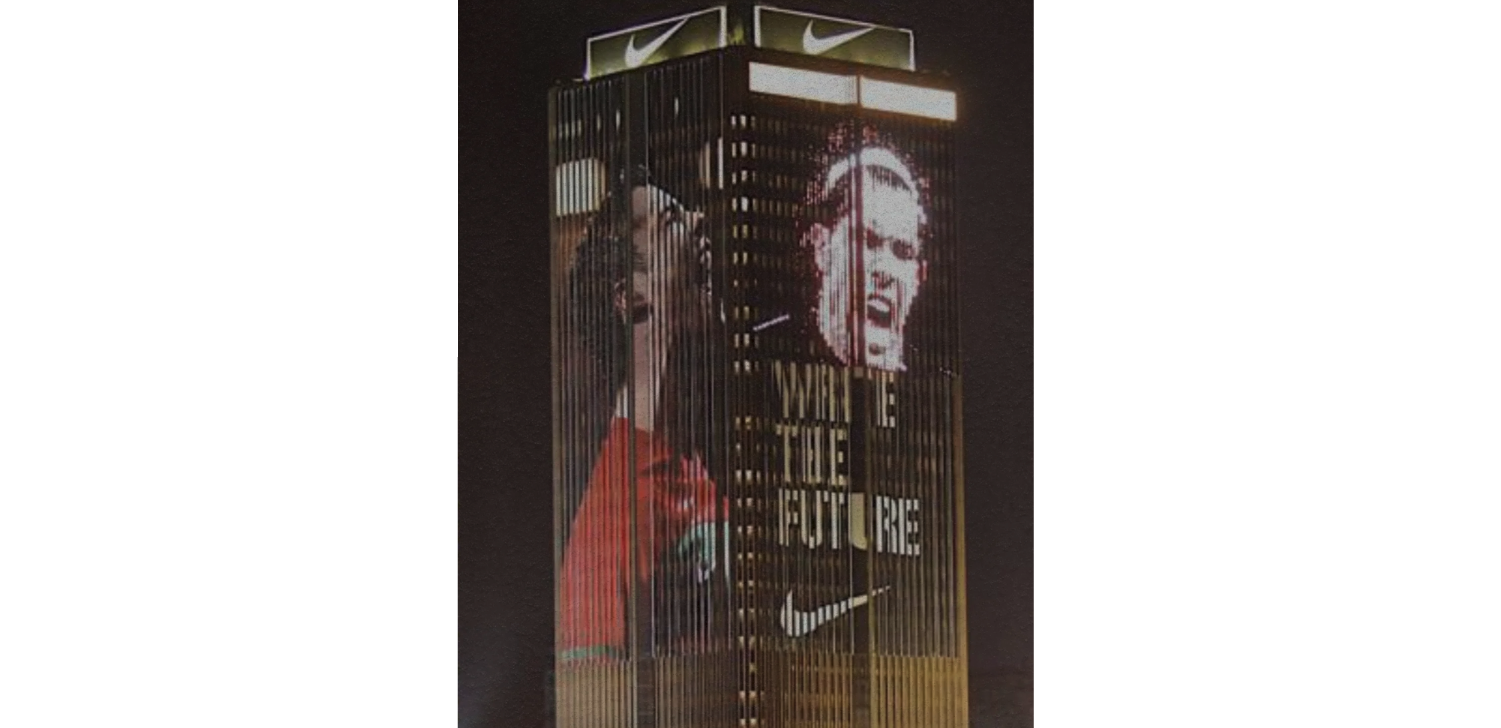
Nike is a standout competitor. The brand’s “Write the Headline, Write the Future” campaign for the 2010 World Cup invited fans to share their witty takedowns of players' performances on Facebook and X, with Nike sharing over one hundred different fan views every night.
Source: Nexalitemedia
Nike cast fan opinions on a large LED screen that featured 90-meter tall images of soccer players like Robinho. The screen was cast on the Johannesburg's Life Centre building, the fourth tallest building in Johannesburg — definitely delivering visibility. Created by Wieden + Kennedy, the grand-scale campaign effectively almost eclipsed official game partners.
Many brands also create official branded experiences just outside of official FIFA zones. Qatar Airways were the official partner for the 2022 tournament. To compete, Etihad set up six daily shuttle flights to Doha, where they'd set up immersive branded lounges across hotels and airports in Abu Dhabi airports and hotels.
How do some brands successfully reference the tournament while avoiding protected trademarks?
Forever a pro at subversive marketing, Duolingo announced their official sponsorship of Qatar F.C., an amateur soccer team from Rio de Janeiro in Brazil during the 2022 World Cup in Qatar. The brand gifted the junior team a new uniform with the Duolingo logo and the team appointed the owl as their new mascot.
By exploiting the linguistic loophole, Duolingo benefited from the brand association and equity delivered by fans seeing their name equated with Qatar around the time of the tournament.

Source: Lia
"Unless you’re an official sponsor, you can’t talk about the REDACTED or REDACTED, the organization that governs the global sporting event. You can’t even speak about the REDACTED game or name players like REDACTED. But with a bit of clever language, there’s always a way to REDACT the rules.
That’s why for the REDACTED, Duolingo has become the official sponsor of REDACTED 2022. No, no, not that one, the other Qatar! Qatar F.C. is an amateur soccer team from a small town in Rio de Janeiro, Brazil that supports its community through sport and education." - The Romans
Specsavers also worked around sponsorship limitations in 2010. Tapping into fan outrage around England’s 2010 World Cup loss, Specsavers launched an ad campaign calling out the widely-critiqued goal-line technology used in the 2010 game that some fans felt helped contribute to England’s 4-1 World Cup defeat.
Suggesting the World Cup referee should have gone to Specsavers, the ad playfully shares the line: “Goal-line technology… from £25,” which sits above an image of a pair of glasses.
Let’s take a look at the main factors that help deliver marketing success during the tournament.
What many non-sponsors get right is their timing. By accurately reading fan sentiment, quickly moving in on viral moments and adding their own unique, witty and sharp commentary to iconic plays, wins and losses, brands align themselves with fans and make their brand feel like part of the biggest tournament moments.
Many of the most effective campaigns also celebrate a culture’s norms, traditions and values — strengthening emotional ties and patriotic pride for locals while intriguing fans from around the world. For ads in home cities, your content and campaign should shift to reflect local language, tone, cultural norms, music and traditions and imagery.
While some of the campaigns and marketing moves of official sponsors can feel glossily unimaginative, brands that haven’t dropped the $10 million sponsorship often understand they need to be creatively bold for fans to notice them.
"Creativity has to be authentic, meeting at the intersection of people's mood and your brand. Bold execution is key."
[[- AJ Coyne, Campaign]]
Creative boldness often means understanding the alignment between your brand and the fan experience. These brands have an in-depth understanding of fan values, sentiment and perspectives and they understand how they can take creative risks to help shape the fan experience in novel and emotionally-moving ways. And they do this in a way that feels true to their brand, bringing a fresh feel to the often repetitive marketing landscape of the tournament.
As Jennifer Phillips April says in her past post on World Cup marketing, over 70% of fans use a second screen when watching the match — like scrolling TikTok for fan videos or sharing game highs and lows in a group chat with friends.
Smart brands know how to tap into this dual focus, focusing much of their attention on leveraging social media for rapid reach. The most successful brands have a well-thought out digital identity and strategy. Take Ryanair, whose grainy budget takeoff photos and snark-heavy content made them a viral hit among fans.
While other strategic brands understand the benefits of taking a multi-channel holistic approach — engaging fans and improving reach with witty one-liners, TikTok highlight reels, interactive quizzes, contests and branded memes.
What are the biggest strategic lessons for marketers looking to build a successful campaign for the upcoming World Cup? Here’s what you need to be mindful of.
As we’ve seen, brands with the most effective campaigns respond quickly to the biggest moments of the tournament and fan responses online.
The ability to think fast and add to the conversation surrounding viral movements on social media can often take brands from easy to ignore to iconic.
Actively monitor social media to make sure you’re aware of emerging trends, wins and losses, emotional sentiment and player performance for content inspiration.
You can plan ahead by reviewing information like match calendars and team rivalries ahead of time and automating as much of your content as you can before the tournament starts.
Successful brands understand the power of combining localized messaging with shared threads. They get which themes are universal, like a love for the game and fan rivalry, and where creative and campaigns need cultural and social relevancy and nuance.
They celebrate norms, values, traditions and celebrations, tapping into local fans’ patriotic pride in host cities, from Mexico to America. They localize digital content and creative, while celebrating local favorites on the pitch and setting up brand activations in local hotspots.
Brands with the most successful campaigns open doors to other cultures, playing on consumers' curiosity.
With such a competitive landscape and hundreds of brands competing for consumers’ attention, it’s important to test messaging and creative before launch to make sure your campaign resonates with local and global audiences.
Zappi is the perfect platform to help you test campaign concepts and sports-related creative ideas with target audiences to guide campaign development. Zappi can even give you access to consumer insights in as little as twelve hours — allowing you to shape your creative and campaign with real insights.
You can test your creative across channels to make sure your campaign is strong wherever you're looking to capture fans' attention, across TV and streaming services, social media and out-of-home (OOH) alongside your static digital ads from a single platform. Zappi also offers the ability to let AI give you a helping hand, pulling the most relevant, interesting insights across your research with AI Quick Reports.
The World Cup creates one of the most competitive marketing environments in the world. It also delivers unparalleled brand visibility and equity for official sponsors.
But with both official sponsors and hundreds of unofficial rivals competing for consumers’ interest, relativity often determines attention.
Balance cultural knowledge, real-time content, bold storytelling, with creative risk and smart pretesting before launch to give your brand the best chance of coming out top of the tournament.
Stay up to date with our latest insights, tips, and industry news.