
Learn how McDonald's has partnered with Zappi to build its test-and-learn approach to innovation, rather than a "test to earn a good score" approach.
Music in commercials can increase emotional responses from consumers to ads by up to 16.4%
37% of listeners are more likely to buy from a brand that partners with a musician they like. But only 24% are more likely to buy from a brand that partners with a likable celeb outside of the music industry.
"Music is what makes us alive, mindful and connected to each other. Music is what makes us human."
- Sheku Kanneh-Mason, The Power of Music
From improving brand likability by opening consumers up to new music to tapping into the dopamine-driving effects of nostalgic classics, music has a powerful influence on consumers' brand perceptions and buying behaviors.
In this post, I explore the best music in ads, cover how music choices impact advertising effectiveness and show you how you can effectively test different music to see which songs perform best with your audience before your launch.
Let’s take a look at some of the most memorable advertising music case studies:
“Let It Happen,” released in 2015 by Tame Impala, went on to be crowned one of the best songs of the 2010s. Blending electronic with psychedelic rock, the explorative, genre-bending track was yet to go mainstream until Ford. In 2019, Ford featured the track in the Ford Edge commercial “Capability Meets Power” — bringing the song to a wider audience.
Previously seen by many millennials as a “mom car,” the indie track choice was part of Widen+Kennedy’s rebrand strategy to make the car seem cooler to younger consumers.
"If you can’t understand a damn thing Kevin Parker sings during the bridge of “Let It Happen,” you’re not alone. The vocals are complete gibberish, placeholder words given emotional heft by his performance and vocoders time-tested by ’80s icons and French robots alike. It doesn’t matter that he’s singing raw syllables, though, because you can feel the wistful acceptance in every note. It’s the most affecting part of this nearly eight-minute-long song, which opened 2015’s Currents and introduced a new era of Tame Impala.
No more trivial accusations of retrofetishism or John Lennon idol worship; with this heavy slab of space disco, Parker decidedly broke free of any preconceived notions about his abilities. The riff—a simple, octave-leaping groove—stands alone, but the punchy drums and elaborate synth arrangements throughout cleared the stage for Tame Impala to claim their place as true psych-rock originals." - Noah Yoo, Pitchfork
Source: Billboard
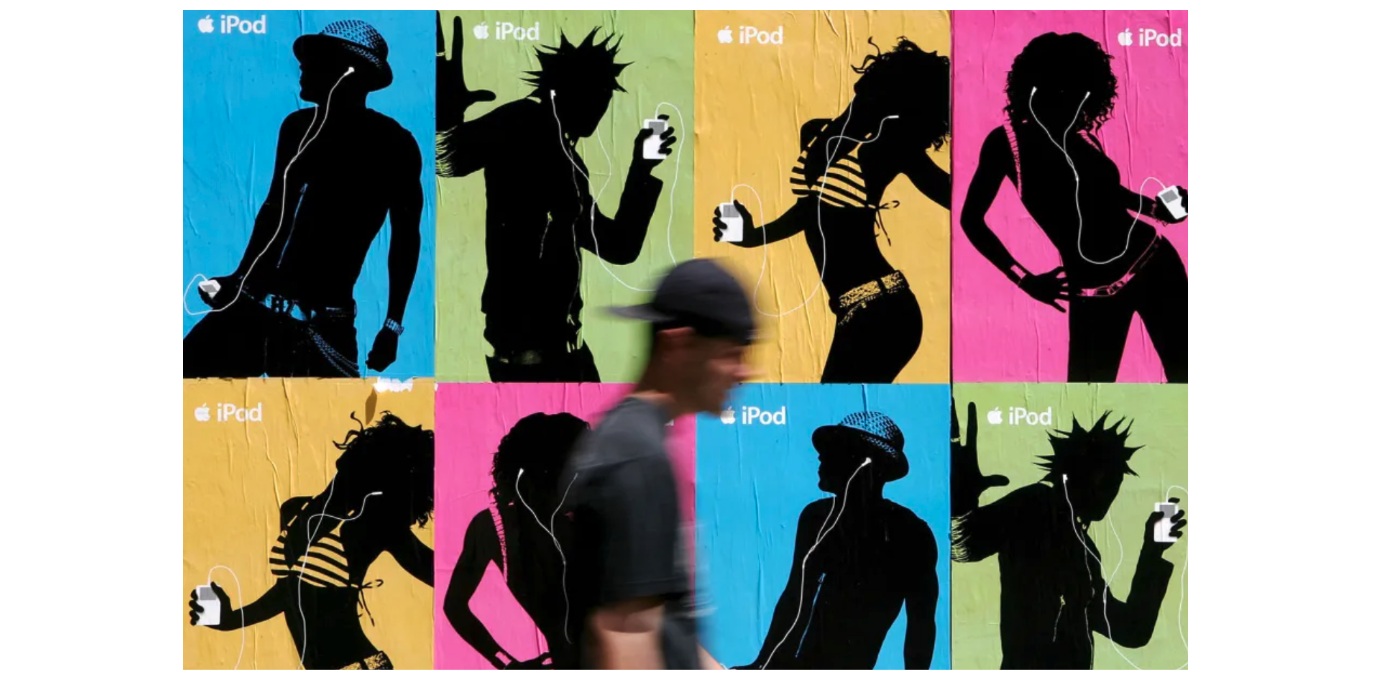
At one point in the 2000s, Apple’s iPod Shuffle commercials were one of the go-to sources for discovering new music. By blending rapid-fire, technicolored-backed dancing silhouettes with great music that consumers couldn’t find in the charts, Apple’s ads quickly became iconic. The iPod Shuffle effect was born: Apple’s ads delivered commercial success to artists yet to enter the mainstream, bringing some of the best new music to millions of consumers.
In 2007, Feist’s “1, 2, 3, 4” was featured in an ad for Apple iPod Nano — moving the artist to the top of the Billboard Hot 100. While Apple’s commercials helped bring indie artists into the mainstream, artists like Feist helped create the brand’s aura of definitive cool.
"In using a most discriminated and discerning ear and aligning great and significant music with rich imagery and simple messaging, Apple has taken what jingles had done in the past and created a new and masterful neojingle, which instead of literally singing about the product becomes inextricably connected to sound. It feels not as if they borrowed or even stole the music, but that the music belonged to the Apple brand.” - Josh Rabinowitz, Senior VP and Director of Music, Grey Worldwide (speaking to Billboard in 2011)
Another commercial that helped popularize a lesser-known artist was a Microsoft Internet Explorer 9 (IE9) ad, which featured dubstep British singer-songwriter Alex Clare's Too Close.
“It was the emotional intensity of Clare’s song coupled with the depth and richness of sound that made film director Keith Rivers feel that ‘Too Close’ was the perfect complement to the visuals and message of the Internet Explorer TV spot.” Microsoft (pull please)
The 2012 ad helped make the ad a global hit, leading to over 100,000 digital downloads in the first few weeks after the commercial's release. By the end of September 2012, “Too Close” had reached No. 8 on the Billboard chart — staying on the chart for more than 26 weeks.
“I Love It” by Icona Pop, featuring Charli XCX, climbed the global top 10 after it was featured in Samsung Galaxy S4's 2013 campaign. The catchy pop track was expertly matched to the tagline: spread the beat.
The track sold an impressive 125,000 copies in a single week, marking the 11th week in a row that a number one single sold more than 100,000 copies — the longest streak since 1998.
The commercial was part of the wider GALAXY Music Project, a global marketing campaign designed to show Samsung Galaxy’s musical credibility by giving consumers a look into how artists like Icona Pop turned early inspiration into new music.
“Music inspires us in so many ways, which is why great musicians are celebrated all over the world; such as Quincy Jones, Icona Pop and CNBLUE. What these musicians can do is like magic. How do they do it? Musicians must be inspired by something too to create the music we listen to everyday. To fulfill our curiosity, Samsung Electronics worked on a project, with Quincy Jones, Icona Pop and CNBLUE to show people how they transform an inspiration to music, called the ‘GALAXY Music Project’.” - Samsung
Another Apple iPod classic: Jet’s “Are You Gonna Be My Girl?” As one of the best music in advertising examples, the retro rock–pop, one-hit wonder was perfectly synced with the fast-moving visuals. The band subsequently sold four million copies of their debut album Get Born.

Source: Reddit
“I don’t know how the iPod ad happened, but our managers wanted to do everything to make the song a hit. We said: ‘This isn’t very punk, all this commercial business.’ But they convinced us and history probably vindicates them. There was this groundswell and, once enough people heard it, it had its own momentum.” - Cameron Muncey
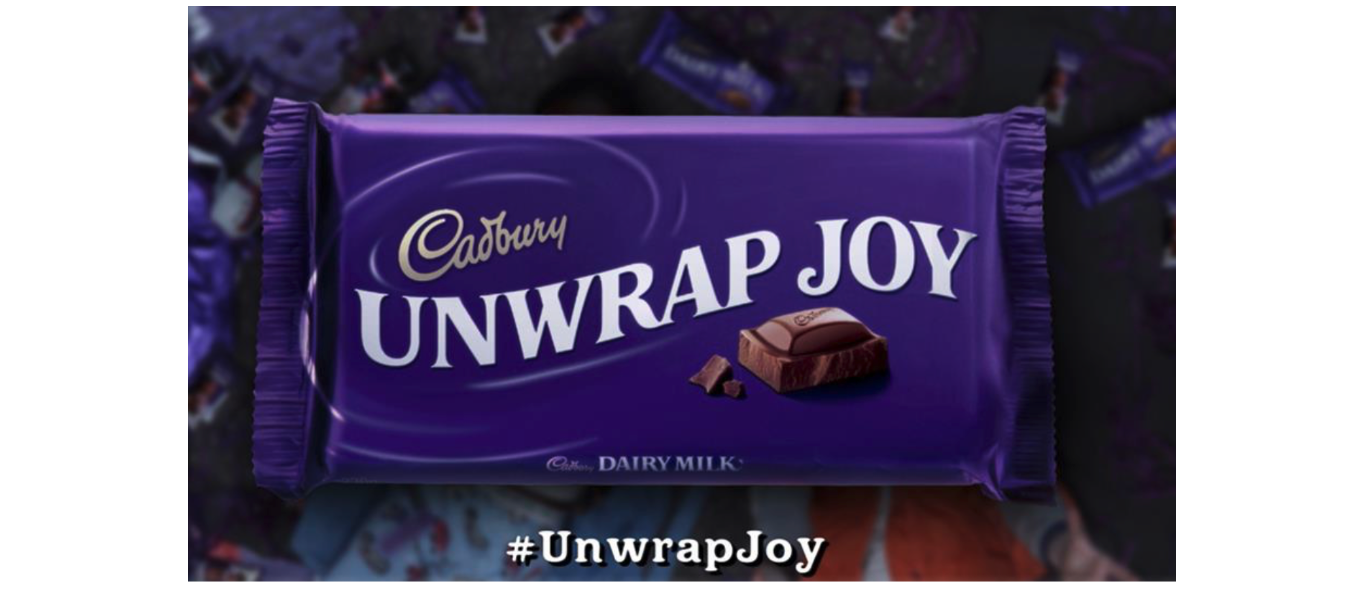
Cadbury's 2007 drumming gorilla has officially gone down as one of the best ads in history. Despite the ad’s success, later being crowned the nation’s favorite ad in the U.K by Marketing Magazine, it reportedly took four months for the creative team to convince the client to run the ad.
The 90-second viral hit drove a 9% jump in Dairy Milk sales from the previous year. YouTube, then just two years old, was a core part of the ad's virality — it racked up over 500,000 views in the first week (a massive number for 2007), rising to more than six million views across platforms in months.
“Music negotiations are notoriously difficult, but getting Phil Collins to buy into the idea proved surprisingly easy – and benefited the artist tremendously. Once the ad broke, both the featured track and Collins’ Greatest Hits album rocketed back into the charts.” - D&AD festival
Part of the brand's joy-backed rebrand, Phil Collins' “In the Air Tonight” helped to deliver the weightlessly euphoric feel of the ad — helping to solidify Cadbury’s chocolate bars as the “producers of happiness.” The 1981 song quickly shot up the global charts, sitting at number one in New Zealand for two weeks.
Source: Campaign
“They hired Garon Michael, an actor with experience in costume work, but not drumming. He practised the Phil Collins solo endlessly to get the right sense of a creature that – as Cabral describes – 'Has been waiting for this moment all its life'." - Jo Caird
For in-depth insight, read our report on the role music plays in advertising.
Volkswagen reawakened interest in the enigmatic singer-songwriter Nick Drake by featuring his 1972 song “Pink Moon” in their award-winning 2000’s commercial “Milky Way.” The song helped create the wistful, reflective ambiance of the ad, drawing Drake’s musical talent out of obscurity.
"This is the Volkswagen commercial I'm most proud of. We shot in the Bodega Bay area of Northern California and our directors were the amazing Jonathan Dayton and Valerie Faris (years before their "Little Miss Sunshine" fame). The soundtrack was by Nick Drake. It was recently named one of the 10 best car commercials in the past 25 years by the OneClub." - Alan Pafenbach, Creative Director
As an artist, Nick Drake was shy and resisted commercialism. He hated performing live and only gave one formal interview with Jerry Gilbert for music magazine Sounds in 1971.
A detour from his earlier style, “Pink Moon” focused heavily on pared-back vocals and guitar. Reddit user ryuundo shares, "In contrast to the lavish production and orchestral flourishes of his previous two records. This record would only involve Nick with his guitar with no overdubbing involved, except for the piano present on the title track."

Source: BBC
Reviewers were underwhelmed by the release and Drake would only sell 4,000 copies of his entire album collection by the time of his death. The lack of commercial success led to a deep depression and a later hospitalization and a debated accidental overdose on anti-depressants.
But the Volkswagen ad single-handedly brought Drake post-humorous success. Ryuundo says:
“Pink Moon would prove to be the record that catapulted Nick Drake's posthumous popularity when, in 1999, Volkswagen created a commercial for their Cabriolet brand which used the title track of Pink Moon as its soundtrack. Pink Moon would also be included as the first track on a compilation CD given to all new Volkswagen Cabrio drivers in 2001. The use of Pink Moon struck a chord with people, as the song added a mood to the commercial that people appreciated. This use of the song proved to be a landmark moment in advertising, as it promoted a move for using unknown artists as the soundtracks to commercials over popular artists.
As a result of this commercial, sales of Pink Moon skyrocketed, with the record reaching a number 5 placing on Amazon's music sales chart and Pink Moon's sales in the US increasing from only 6,000 copies over the previous 25+ years to over 74,000 copies by 2000. By 2004, Pink Moon had reached 329,000 copies sold in the United States alone. Every studio album by Nick Drake has reached gold status in the UK, accounting for 100,000 copies sold for each.”
“First Day of My Life” by Bright Eyes was the featured track on Zillow's first-ever national TV ad in 2012. The ad, “Find Your Way Home,”connected with consumers by empathizing that buying a home is often a deeply personal experience, with prospective homebuyers imagining themselves building a life in every place they visit.
As one of the most notable examples of memorable music in brand advertising, the track deepens the emotional feel of the ad. In the opening of the commercial, a woman pulls up a house listing on her iPad, the listing is laid over with images of kids playing in the garden and a dad teaching their child to ride a bike.
Conor Oberst sings: "This is the first day of my life, I swear I was born right in the doorway. I went out in the rain, suddenly everything changed. They're spreading blankets on the beach." The song brings the message of the ad home, aligning with the visuals and the voice over. “You're not just looking for a house, you're looking for a place for your life to happen,” says the commercial’s narrator.
A popular indie artist among millennial listeners, the track helped bring Bright Eyes to a mainstream audience. In 2013, the band's album I'm Wide Awake, It's Morning was officially certified Gold by the RIAA for selling over 500,000 copies.
And for the brand? The ad brought in a 69% increase in revenue and helped to make Zillow a household name.
A list of iconic soundtracks in ads would be incomplete without Nike’s use of The Beatles for their ad “Revolution in Motion.”
"The story behind how Nike got ‘Revolution’ is a great way to frame what many consider to be the best advertising done by any company, in any industry, ever."
- Mark Thomashow, Director of Promotions, Nike
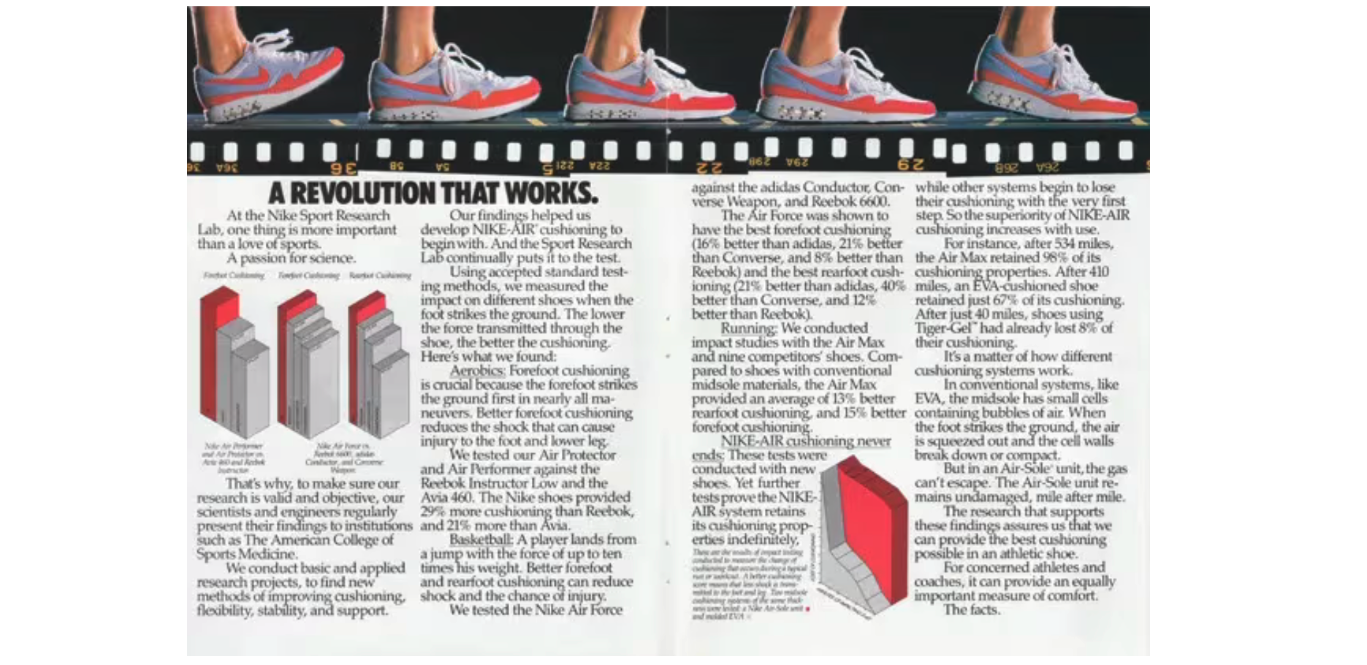
In 1987, Nike became the first ever brand to use an original Beatles recording, "Revolution," in a commercial. The song was chosen to celebrate the release of their new Max Air sneakers. The 60-second ad was directed by Wieden+Kennedy and featured a black-and-white montage of everyday and Nike pro athletes, caught on a hand-held camera.
Nike’s Mark Thomashow, was responsible for securing the deal, he says:
“Nike was ready to introduce the Air Max, the first shoe with visible air. Its introduction was anticipated to be a game changer for the company. Nike had tasked its ad agency, Wieden & Kennedy (W&K), to create an ad campaign appropriate for the introduction of a groundbreaking—ahem, revolutionary—new technology. W&K over-delivered when they presented a concept using Nike’s premier athletes (as well as everyday athletes) to be filmed with hand-held cameras and accompanied by the Beatles’ “Revolution.” No one had ever licensed a Beatles song performed by the Fab Four in an ad to that point. And no one has since."
The $500,000 deal was made with the brand by Michael Jackson and Yoko Ono. Ono felt the ad would bring the Beatles' music to a new, younger audience. The ad was immediately divisive, with Nike receiving hundreds of letters from consumers to their office. Some loved the ad, others absolutely hated it. And the ad immediately triggered a 15k lawsuit from the surviving Beatles.
Source: Asphalt Gold.
“Reaction to the television ad was immediate. Hundreds of letters came into Nike. There was no middle ground on the issue. People either loved the ad and the music being used in it or told us they would never buy another pair of Nike shoes.”
Backing his choice for the ad, he shared in an interview with Kathy Haight in the entertainment and travel section of the June 21, 1987, Charlotte Observer: “Any music has a historical context in which it first came out. Brahms or Beethoven’s first audiences might’ve been a king and queen and 25 members of the court. Should their work stay in that historical context or should it have wider applications? Can music or any piece of art have different meanings or different applications at different historical times? I think it can without undercutting the value it originally held for people when they first heard it.”
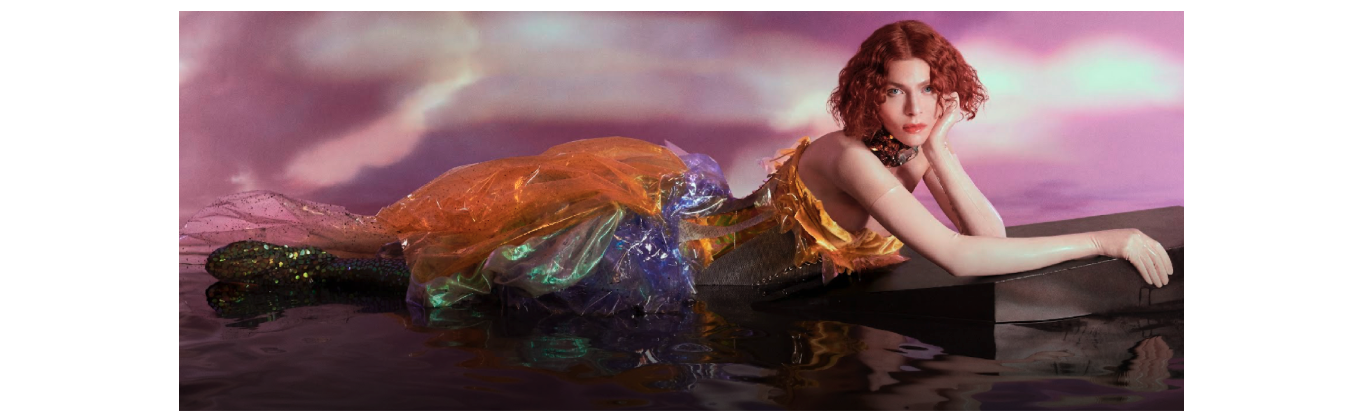
Traditionally known for its wholesome pop-based ad soundtracks, supplied by mainstream artists like Justin Timberlake, McDonald’s took a more experimental approach when it released an ad with a backing track from underground artist SOPHIE in 2015. SOPHIE’s “Lemonade” was synced with punchy neon visuals to promote McDonald’s new line of frozen and chilled lemon and strawberry lemonades.
SOPHIE released her first tracks with alternative music label PC Music. Google Arts and Culture shares: “The label is known for its high-octane, bubbly aesthetics, outwardly embracing the glossy shell of consumerism but with a subversive twist.”
“Though her career was cut tragically short, SOPHIE left an indelible mark as one pop music's leading sonic visionaries: As early as 2013, she was co-founding a quirky style of electronica known as “bubblegum bass,” and while the general public was catching up to its repercussions in mainstream pop, she continued to break new ground as a producer, songwriter and live artist.” - Google Arts and Culture
Source: Google Arts and Culture
Guardian writer Huw Nesbitt notes the track’s departure (like the brand’s) from classic pop, relying heavily on synthetic base and harmonies: “The subject matter is almost identical to Lollipop and the sample of fizzing bubbles is similar to the “pop” sound in the chorus to Dixon and Ross’s classic. Yet the song also subverts these enshrined values. It sounds entirely synthetic and unlike authentic traditional pop hits – it is the product of technology that can simulate harmonies, melodies, basslines and drum patterns with a few clicks.”
Let’s compare how familiar tracks stack up to less-well-known artists in commercials.
“A brand needs to go to the heart and not to the brain. Gorilla is – in those 90 seconds – trying to take you somewhere. You have to go out and flirt and seduce. You need to feel like there’s humanity there. If you feel there’s a corporation, the outcome is terrible. The stuff that makes you send it to your friends, usually it’s because there’s somebody that looks like they were having fun.” -Juan Cabral, Ad Director, Cadbury’s Gorilla
Old classics tied to meaningful memories can make popular, familiar music more influential in commercials. Music-evoked nostalgia delivers inspiration, social connectedness and a stronger sense of self-continuity. Familiar favorites can improve ad effectiveness, memorability and drive consumer buying behavior.
"You're not just recalling words, but an emotion."
- Julia Hotz
Research suggests that consumers also take notice when presented with unlikely combinations of the old and the new. When you see something familiar in a surprising new context, it creates something called optimal incongruity. The combination creates a powerful pull: the familiar lowers your guard, while the new context provides an enjoyable hit of novelty-triggering dopamine.
Take Cadbury’s Gorilla.
Lee Rolston, Cadbury’s director of marketing for block chocolate and beverages, notes in the brand’s early research before the rebrand and ad release that consumers saw Cadbury as a familiar forgettable favorite: "We sensed from all the research we were doing that, although people were still talking about their love for Dairy Milk, it felt a bit passive. It’s a bit like the comfy sweater you keep at the back of the wardrobe that you’ll never throw out but you start wearing less and less."
Collins' classic helps retain the classic, cozy feel of the Cadbury’s brand, while the juxtaposition of the drumming gorilla brings a new sense of playfulness to the brand. The song grounds, the visuals deliver a sense of surprise and fun and both help deliver on the sense of joy essential to Cadbury’s successful rebrand.
"The 1999 Volkswagen advert is 60 seconds long but nearly a quarter of a century later, viewers are still posting online about its profound impact, not because of the stylish visuals but because of the haunting music accompanying them: Nick Drake’s ‘Pink Moon.’" - Neil Armstrong, BBC
People crave the new. Novelty sparks dopamine: new music often captures our attention and interest more effectively than popular music.
Great, yet-to-be-discovered artists often make a brand seem cooler and more innovative. By helping consumers to discover new music, consumers often develop a stronger sense of affinity and liking for a brand. By finding hidden musical gems and bringing them to a wider audience, brands position themselves as trendsetters — just as Apple did with their iconic iPod ads.
While brands that feature novel, genre-bending or boundary-pushing music can make their ads feel transcendentally explorative — taking consumers beyond the ordinary advertising experience. With the right track, a “normal” easy-to-shut-out ad experience becomes an open door to a new musical exploration.
“I think music as a term and a concept itself might soon be outdated. Our understandings of music, art and entertainment are constantly evolving as well as culture itself therefore I think it’s worth thinking on a deeper level about what sound and music are to you. And to think about different sensory experiences in almost the same format.” - SOPHIE
Commercial music is a highly subjective creative decision. What seems like a great track choice to ad executives can easily feel offputting or underwhelming to consumers. To reduce risk, it’s essential to test your music choices with consumers before you launch.
Here’s several examples why:
"In the cinematic world, music has been used extensively as a tool to aid in processing visual information. The choice of sound or music during a scene can make a fundamental difference in how the audience feels about it and interprets what is happening. Soundtracks play a pivotal role in grabbing attention, setting the scene, evoking emotions and ultimately creating a more immersive experience for the audience. We like to say advertisements should work as mini movies, telling short stories where the brand or product is the protagonist." - Kim Malcolm & Isa Franzini, Zappi
Zappi’s Amplify Advertising System allows users to get real-time consumer insights into music choices. Users can test different music tracks, sound cues and audio directions with real audiences to identify which option best supports the creative before final production.
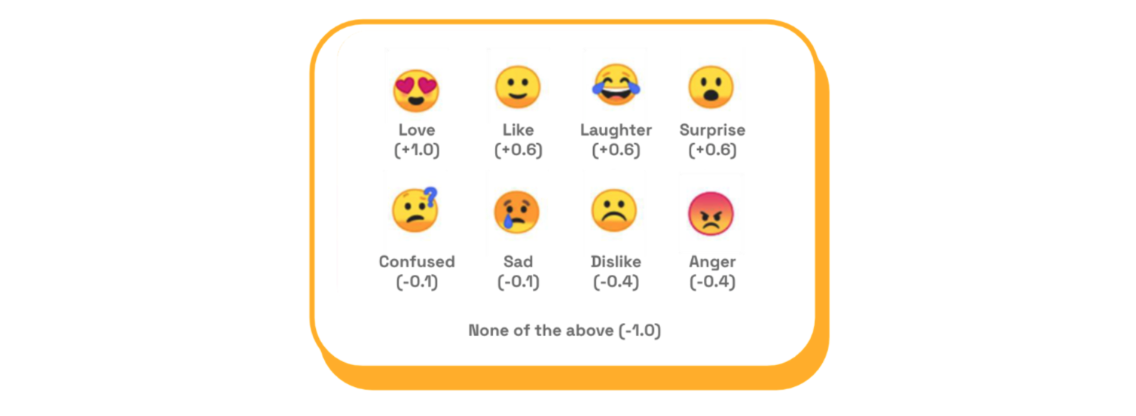
You can also assess play-by-play emotional reactions to your commercial’s potential soundtrack and see the emotional impact of different song and audio choices on your audience. Amplify offers a by-the-second break down of consumers’ emotional responses to ad audio, allowing you to measure and quantify the emotional tone of your commercial based on different background audio.
Zappi goes beyond measuring the basic music preferences of your audience. Use Zappi to assess the impact of music on every key driver and metric. Zappi delivers both breadth and depth, allowing you to assess brand fit, recall, emotional response and purchase intent.
Our AI Quick Reports feature gives you easy access to both qualitative and qualitative research data, providing a concise summary and analysis of your main results. You can use it to explore consumer responses in more depth or to assess overarching audience responses to different audio. Zappi also speeds up traditional research cycles, allowing you to test and get feedback on different music choices in under four hours — replacing week or month-long cycles so you can get the validation you need, fast.
Finally, here’s some key takeaways you can apply immediately.
"Simply adding music won’t necessarily drive higher levels of emotion for your ad or make it more effective. Music should be used purposefully, being considered up front as part of the creative process rather than added as an afterthought. It shouldn’t detract from other elements in your ad or overshadow key associations you are looking to build or reinforce; it should add to the total experience of other visual and audio elements that make up your ad." - Kim Malcolm & Isa Franzini, Zappi
Your music should play a supportive role to your ad concept, not overpower it. Take “Bright Eyes” for Zillow, the track is perfectly paired with the ad’s visuals: helping to tell the ad’s central narrative. From lyrics to genre choices, work from a clear ad concept and make music decisions that build on it.
Choices like SOPHIE’S “Lemonade” show that going for alternative, underground and indie artists can be exactly what takes an ad from ordinary and forgettable to iconic.
While a track from a popular artist can feel like a safe, easy choice — consumers are often already saturated by mainstream music. If they already hear your track every time they go to the grocery store, their favorite bar or a restaurant then why would they pay attention when they hear it in your ad? Lesser-known songs can bring an element of surprise — making consumers’ stop and take notice.
Experiment, but experiment strategically. The nicher the artist, the higher the risk — but the bigger the payoff. Explore indie and alternative artists, but test, test, test before you launch to see if they resonate with, rather than alienate, your audience.
High-fit music makes consumers seven times more likely to experience reduced price sensitivity.
Testing whether your song is a fit for both your ad and your audience is essential before you launch. Audience insight can help you find the perfect track for your commercial. By testing different song choices with real consumers, you can find the right fit and help swerve costly music missteps.
Music can be a great way to connect more with your audience, grab attention and even tell a greater story within your advertising.
But the trick is getting it right. What seems like a good fit to you may not be for your consumer. That’s why it’s crucial to pressure test your song choices with consumers beforehand with research platforms like Zappi.
Stay up to date with our latest insights, tips, and industry news.