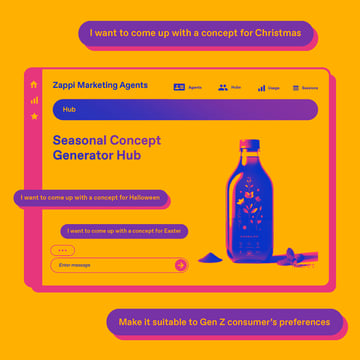

Learn how McDonald's has partnered with Zappi to build its test-and-learn approach to innovation, rather than a "test to earn a good score" approach.

Creative development has changed dramatically in the last decade.
Marketing teams are producing more campaigns and more assets than ever before. At the same time, timelines are shrinking and expectations for performance continue to rise.
Brands need faster ways to understand which creative ideas resonate before investing heavily in the production process. That’s why automated concept testing has become such an important tool in modern creative development — it helps teams move quickly while still making confident decisions.
In this article, I’ll cover why brands should be using automated concept testing throughout their advertising process, what it involves and how Zappi can help.
Download our guide to learn how CMOs can leverage consumer insights to build winning brands, while navigating today’s complex reality.
Marketing today operates at a constant pace. Campaigns rarely exist as one-off moments. They are evolving continuously across channels, formats and audiences.
That means creative teams need to generate more ideas and iterate on them faster than ever before to keep pace.
A concept might start as a script, evolve into multiple storyboards and then become dozens of digital assets optimized for different platforms, all of which should be tested with consumers.
Traditional research approaches often struggle to keep up with this pace. Studies that take weeks to design and analyze simply don’t match the speed at which creative work now happens. By the time results arrive, teams may already need to be deep into production.
Automated concept testing helps close that gap by delivering rapid feedback on early ideas, allowing marketers to test, learn and refine concepts across stages and formats in hours rather than weeks.
Another major shift is how early creative decisions need to be made. Choices about messaging, tone, narrative direction and more often happen long before visuals are finalized.
And getting those early decisions right matters. A concept that looks promising on paper can quickly become a costly mistake if it doesn’t resonate with audiences once fully produced.
Automated concept testing provides quick, structured insights at these critical early stages. By gathering consumer feedback on initial ideas, teams can identify which concepts are worth pursuing and which may need refinement.
The result is less guesswork and fewer expensive missteps later in the process.
Now that we've covered why automated concept testing is more important than ever, let’s get into exactly what it entails.
Automated concept testing is often associated with speed, but its value goes far beyond quick turnaround times.
At its core, it provides a structured way to evaluate early creative ideas and guide decisions with consistent, data-backed insights from your target audience.
One of the biggest advantages of automated testing is the ability to evaluate creative concepts long before production begins.
Teams can test a range of early-stage materials (Think: scripts, storyboards, taglines, visuals or even simple one-line ideas). Instead of waiting until a fully produced ad is ready, marketers can understand how audiences react to each aspect while the concept is still easy to adjust to optimize every element to its fullest potential.
Ultimately, this type of early feedback helps teams identify which directions show the most potential and where adjustments or improvements may be needed before deeper investment.
Automated testing platforms also introduce consistency into the research process.
Each concept is evaluated using the same standardized metrics and frameworks, making results easier to compare across campaigns and over time.
This consistency becomes especially valuable for organizations running multiple campaigns or managing several brands. Teams can benchmark performance, identify recurring creative strengths or weaknesses and build a clearer understanding of what works for their consumer.
And because these studies can be launched quickly and repeated easily, testing can also scale across teams, markets and creative formats.
It’s also important to note that automated concept testing isn’t about replacing creative judgment with data. It provides useful signals that help creative teams refine and strengthen their ideas.
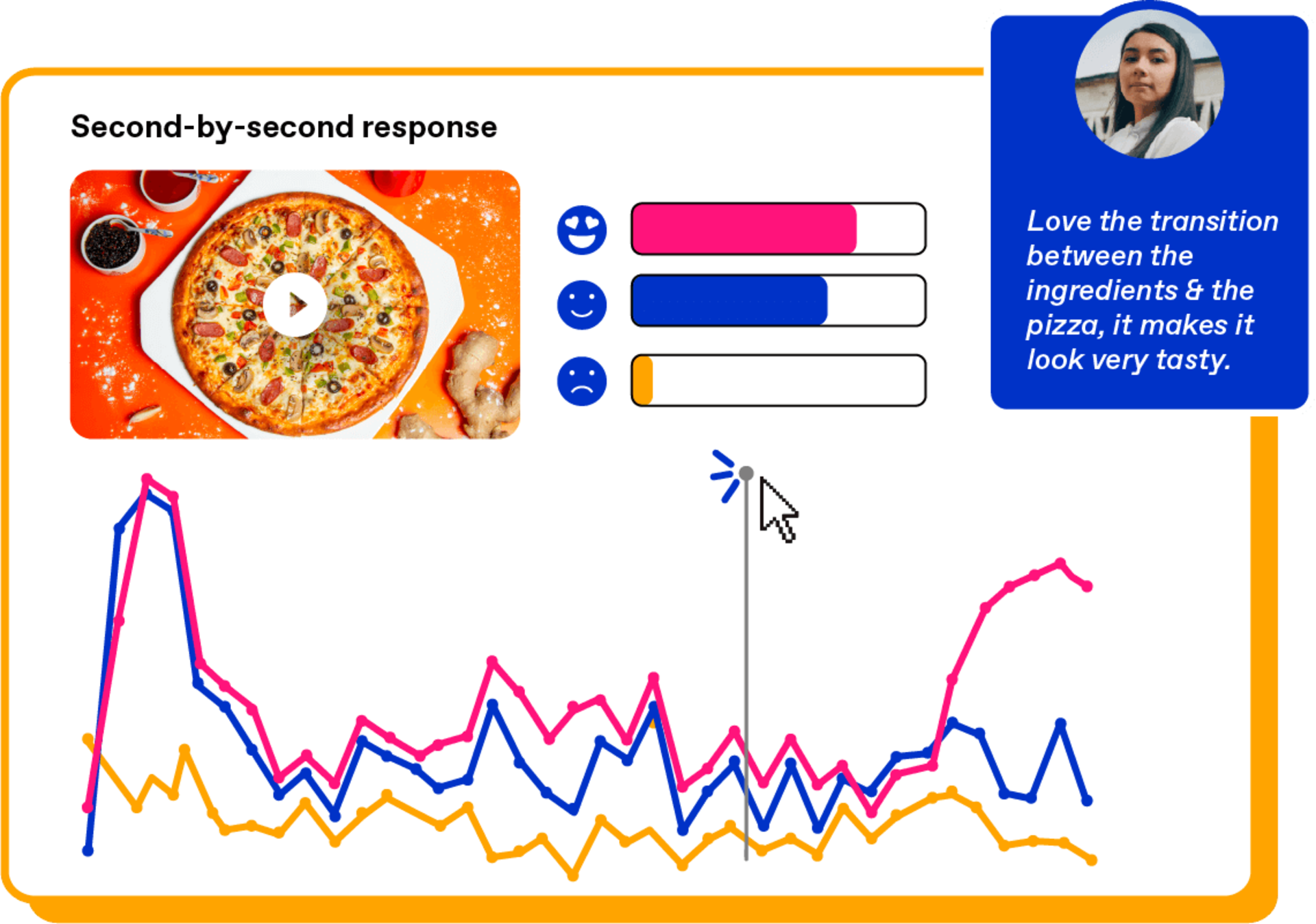
Consumer insights can reveal how well your brand’s intended message is understood, whether the tone feels appropriate for your brand or even which emotional responses a concept triggers.
When used effectively, this data becomes a tool for iteration, which supports creativity and helps it reach its fullest potential, rather than constraining it.
Automated concept testing delivers the most value when it’s integrated into the creative process, rather than used as a one-time checkpoint.
By incorporating consumer testing at multiple stages, teams can shape stronger ideas from the earliest stages of development.
Here’s a simple three-step framework to keep in mind:
The earliest stage of concept development is often about exploration — exploring multiple ideas, approaches, tones, casting and more. From this, teams can generate multiple visual routes, narratives or emotional approaches.
Testing these initial ideas early helps you identify which concepts show the strongest potential with audiences. It can highlight which narratives feel most engaging, which emotional tones resonate and which ideas align most closely with the brand and are resonating with consumers.
In fact, ads researched at earlier stages have been proven to be 62% more effective than those that have not.
Rather than narrowing choices based purely on internal preference or gut-feel, teams can use consumer feedback to guide which creative routes deserve further exploration.
Once a promising concept direction emerges, automated testing can help refine it through rapid iterations.
Creative teams can compare different versions of messaging or visual approaches to see which variations perform best. Small adjustments, such as emphasizing a key benefit or adjusting the tone, can make a meaningful difference in how audiences interpret the concept.
These quick feedback loops allow teams to spot weaknesses early and optimize creative elements before moving into production.
By the time a concept reaches production, teams have often invested significant time and resources into the process. But it all pays off as early testing helps reduce the uncertainty that typically surrounds final decisions.
When a concept has already shown strong audience response in early testing, marketers can move forward with greater confidence. It also helps align stakeholders around which direction to pursue, with the data to back it up.
Ultimately, with stronger early consumer data, execution becomes easier to justify and less risky overall.
While many tools promise speed, the most effective automated testing solutions combine rapid delivery with proven research methodology.
This balance ensures that these quick insights are also reliable and actionable.
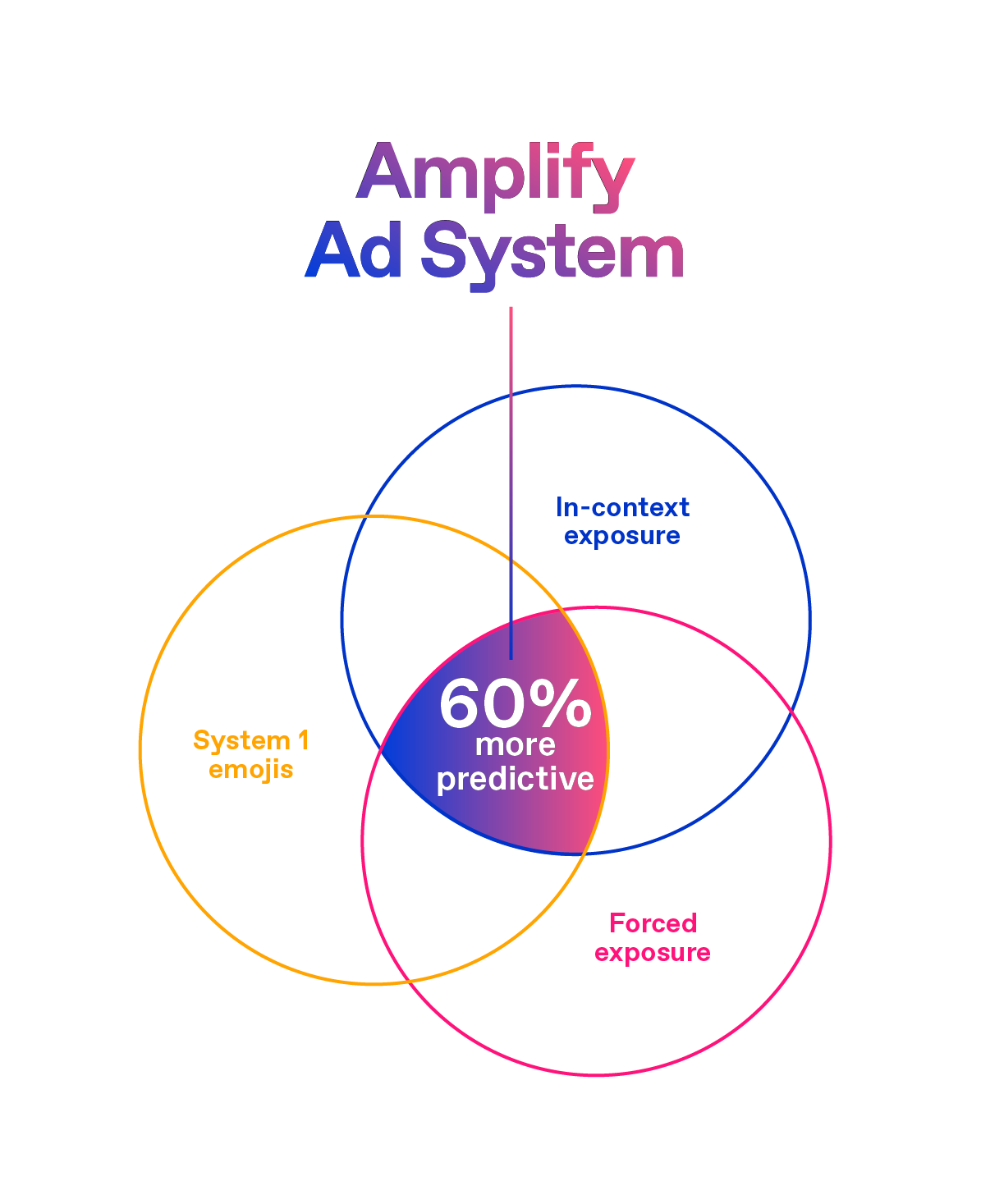
Zappi’s Amplify Advertising System has been proven to be 60% more predictive at sales outcomes across countries and categories overall, through its highly predictive ad research system that helps you bring consumer insights throughout your creative process.
Here’s a deeper look at how it can work for you:
Zappi’s automated concept testing platform methodology is grounded in validated research frameworks designed to capture meaningful consumer reactions.
Concepts are evaluated using metrics that measure emotional response, brand recall, message clarity and more, helping teams understand not just whether an idea performs well, but why.
It also uses AI-powered processes though AI Quick Reports to run studies quickly, reducing time spent on analysis, often delivering insights in hours rather than days.
One of the most powerful aspects of Zappi’s automated testing is the ability to create fast iteration loops.
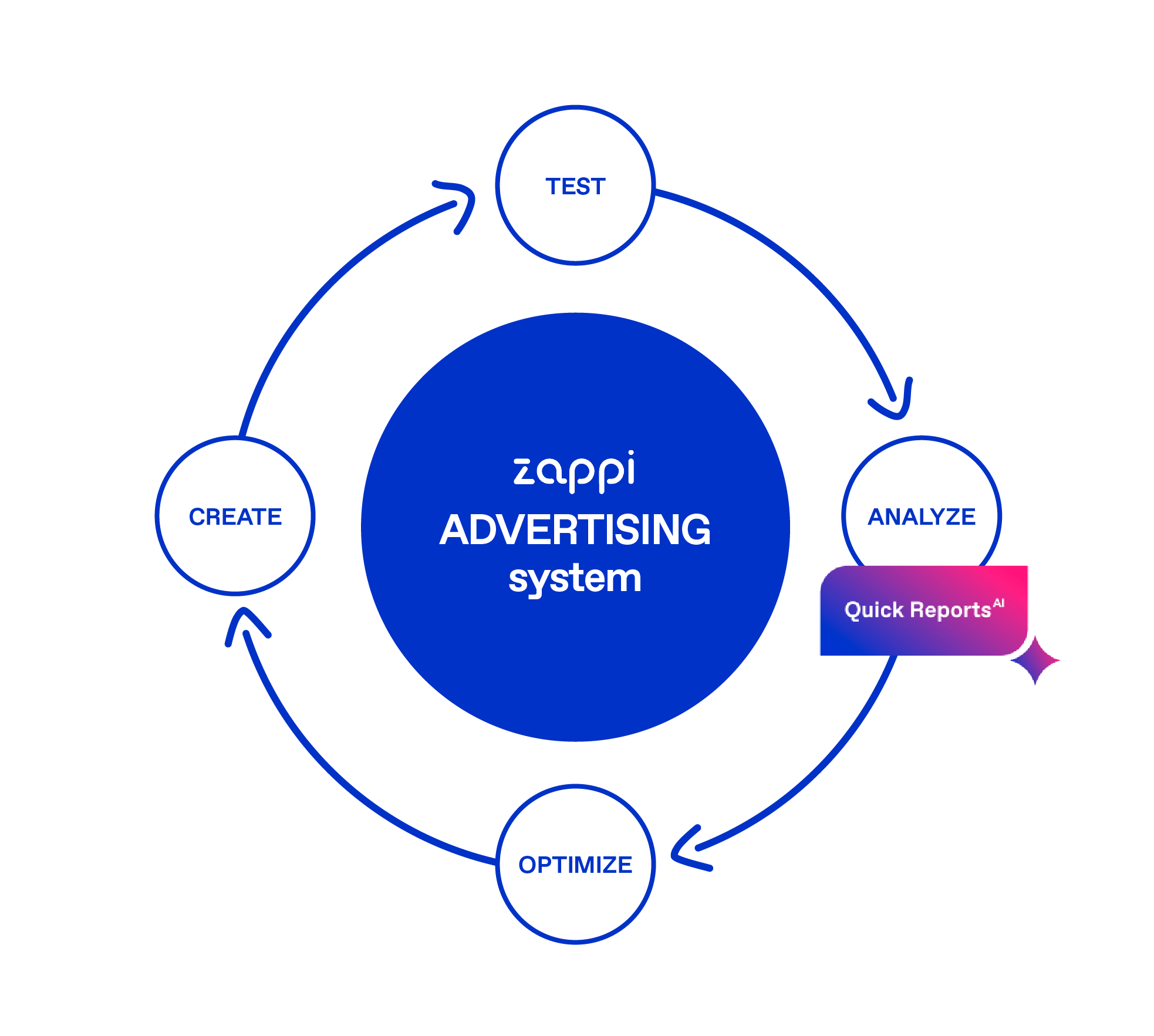
Teams can test a concept, refine it based on feedback and then re-test updated versions to see how changes affect audience response. Even small adjustments, such as modifying the opening message or using a different track, can significantly shift how consumers perceive the idea.
These test–refine–retest cycles help accelerate creative development while continuously improving the quality of your ad and help you learn from what works.
Scalable testing for global teams and multi-brand portfolios
For organizations managing multiple brands or operating globally, Zappi can also help concept testing become far more scalable.
Shared testing frameworks can allow teams in different regions to evaluate concepts using consistent metrics. This enables meaningful comparisons across markets and campaigns while creating a centralized body of learning over time.
For more on this, check out our latest report.
As insights from each campaign accumulate, teams are able to gain a clearer understanding of what resonates with their audiences — helping to inform better future creative and give teams a head start on the next campaign.
Creative development can’t rely on long feedback cycles or one-time research studies anymore. Teams need faster ways to learn from audiences and refine concepts well before production begins.
Zappi’s automated concept testing platform provides just that — delivering rapid, consistent insights that help marketers move from initial ideas to stronger creative campaigns with greater confidence.
Learn how companies saw a three-year 243% ROI and payback in under 6 months with Zappi.
Stay up to date with our latest insights, tips, and industry news.