Learn how McDonald's has partnered with Zappi to build its test-and-learn approach to innovation, rather than a "test to earn a good score" approach.
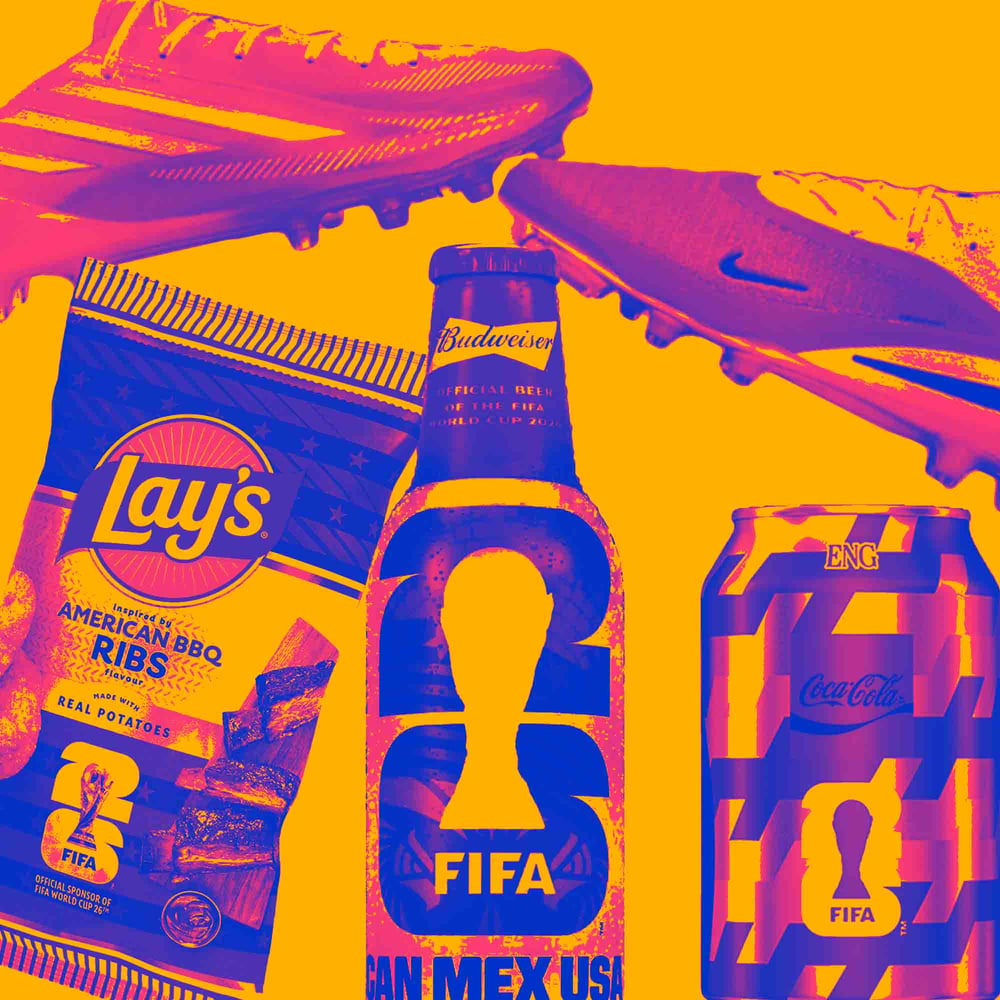
Player-designed sneakers, limited-edition jerseys, game-day beer: once all that mattered to soccer fans during the World Cup was what was inside the box. No longer purely functional, packaging has become a collectible item in its own right.
With 48 teams, 16 host cities and three co-host nations, the 2026 FIFA World Cup is the largest in history — and brands are pulling out all the stops to break through with localized designs, multi-sensory unboxing experiences and exclusive designer-led packaging and product drops. In modern soccer culture, packaging has become an equally important part of design, collectability and the consumer experience as the products themselves.
“The most successful brands understand that packaging is no longer just a container... It is part of the atmosphere, part of the marketing, and part of the emotional energy surrounding shared experiences.”
- Cxgiae
In this post, I explore the cultural rise of packaging and how some of the biggest brands and sponsors are using packaging in fun and creative ways for their 2026 FIFA World Cup campaigns.
From cheap plastic cups adorned with World Cup branding to team caps, consumer goods were once easy-to-forget ways for fans to celebrate the game.
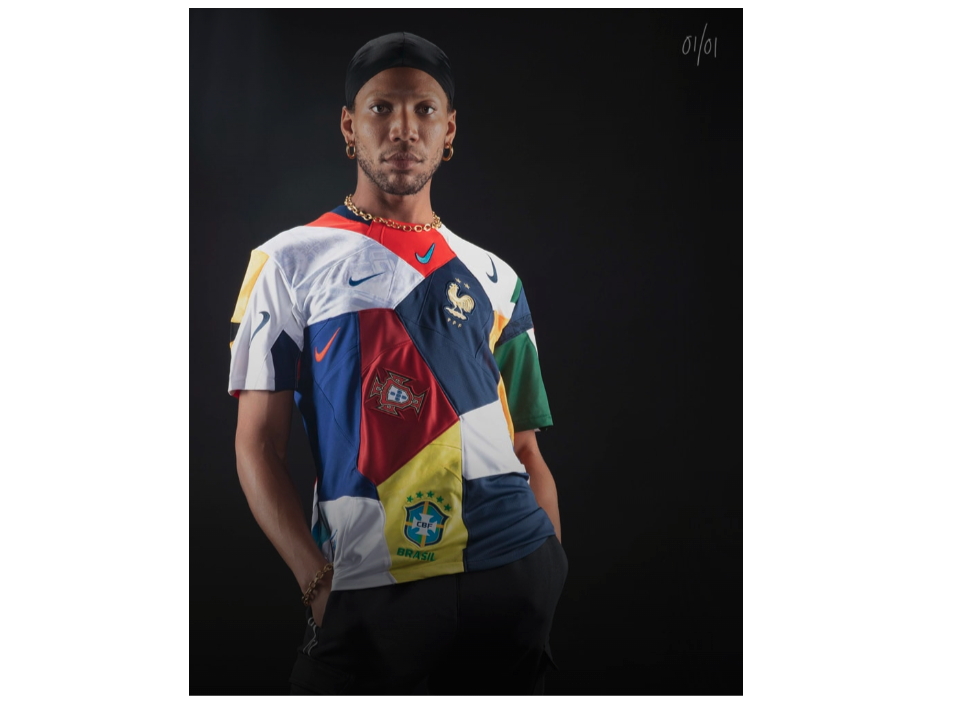
Over the last decade or so, increasingly sophisticated limited-edition product launches have become a core part of the fan experience and essential keepsakes — from Adidas’ World Cup ball set to Nike’s exclusive designer-made jerseys to Don Julio’s trophy-esque bottle and more.
Source: Creative Soccer Culture
Beyond the products themselves, cool packaging designs have become part of what’s driving consumers to acquire and savor World Cup memorabilia. The global sports memorabilia market was valued at $5 billion in 2025. And it’s projected to expand at a compound annual growth rate (CAGR) of 10% by 2030, with branded limited-edition packaging becoming an essential part of sports collector culture ecosystem.
Source: Beverage Industry
The scarcity effect drives this acquisition even more. With consumers unconsciously assigning higher value and a sense of desirability to limited-edition, uniquely-designed sports marketing packaging that celebrates the tournament.
The scarcity of World Cup items creates a strong sense of urgency. Products become a strong form of social currency, helping consumers express their team loyalties and national identity — elevating their fan stats.
Nearly everything about modern World Cup packaging is designed with the smartphone camera in mind. Matte finishes are formulated to reduce glare on screen. Boxes designs are released by well-known designers. And every element of the packaging is considered when it comes to enhancing the unboxing experience.
Designers use vibrant colors and designs that draw the eye on TikTok and Instagram — but modern packaging goes beyond the visual, seeking to create multi-dimensional sensory experiences that draw on texture, sound and layered sequences:
"The strongest designs focus on the full sensory experience. That includes texture, opening sound, and the sequence of how the product is revealed. A good unboxing follows a clear flow. Each layer adds a moment of discovery. Internal prints, inserts, and subtle textures guide the experience and make it feel intentional. This matters because packaging now drives user-generated content at scale. People share what feels satisfying, thoughtful, or different." - Winston News Wire, Digital Journal
Influencer unboxings and creator reveals have become increasingly popular in the run up to the World Cup. The product reveal has caught on with consumers with 40% of online shoppers sharing pictures and videos of purchased items in branded packaging.
Influencers and online creators have built-in trust and audience access, with consumers trusting content from people 2.4x more than they trust content from brands. User generated content (UGC) helps brands access audiences they can’t reach through standard paid ads, builds immediate trust with consumers and generates more conversions — all without the cost of traditional media.
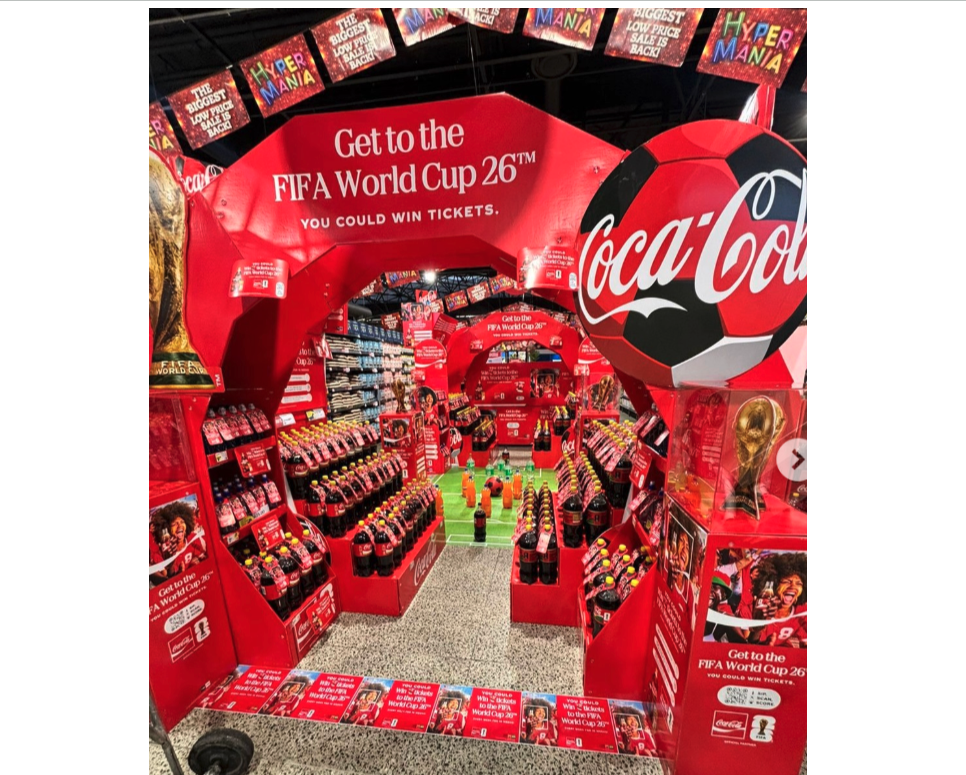
Beyond the socials, retail strategies are also using packaging to turn product shelves into new media channels. Creative, bright and eye-drawing packaging now acts as physical advertising, with the best packaging out-competing rival brands and delivering high visibility during tournament season.
Bold team colors and unique geometric shapes common in World Cup packaging successfully break up the visual-mundanity of the standard grid pattern of retail shelves, disrupting eye tracking and focusing consumers’ attention on the box. While immersive official World Cup displays and gamified activations also help draw the eye, making them a core part of many brands’ retail marketing strategy.
Source: Instagram
62% of consumers are more likely to buy a product labeled as limited edition. The draw of the packaging and the sense of scarcity around limited-edition drops helps drive impulse purchases in store. With signage drawing attention to unique limited-edition flavors, themed designs and shareable multi-packs that are perfect for gameday watch parties.
What are the packaging trends for this year’s tournament? With a focus on localized designs, interactive packaging and smart, scarcity-driven launches, these are the packaging design trends that will dictate packaging for the 2026 tournament.
The first trend for the upcoming tournament is a focus on country themed visuals and regional exclusives. With 48 teams, 16 host cities and three co-host nations, brands are highly responsive to fans’ national identities and team pride.
Brands are reflecting fans’ deep sense of loyalty and connection to their national teams in their packaging decisions, using localized design to celebrate cultural identity and fandom.
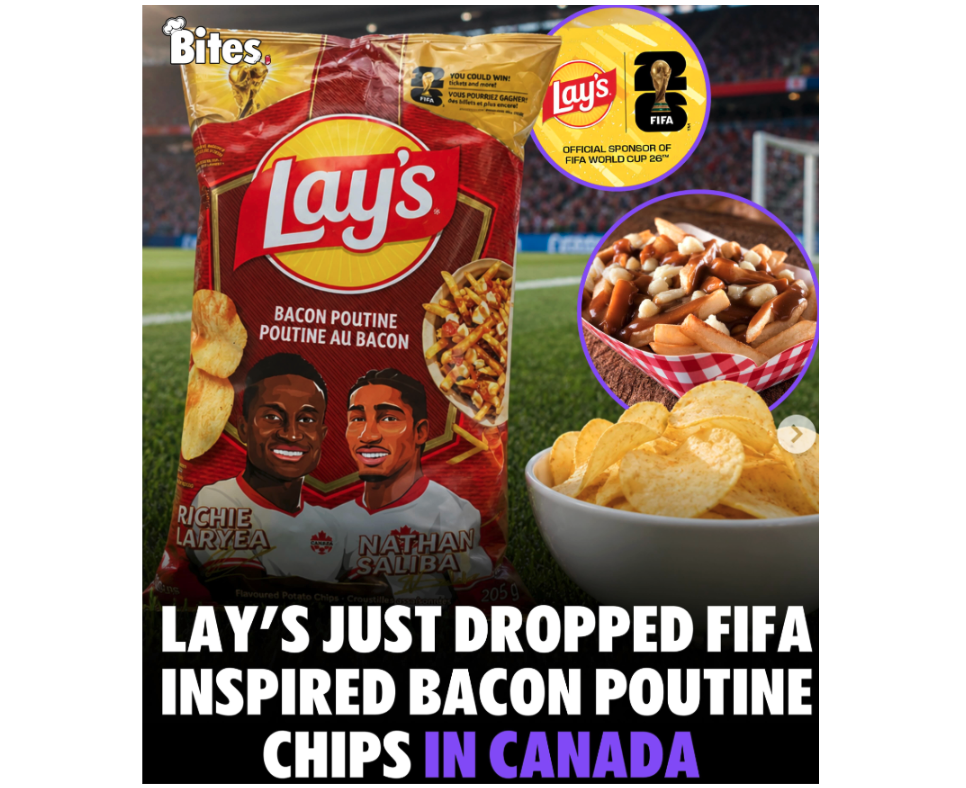
Source: Bites
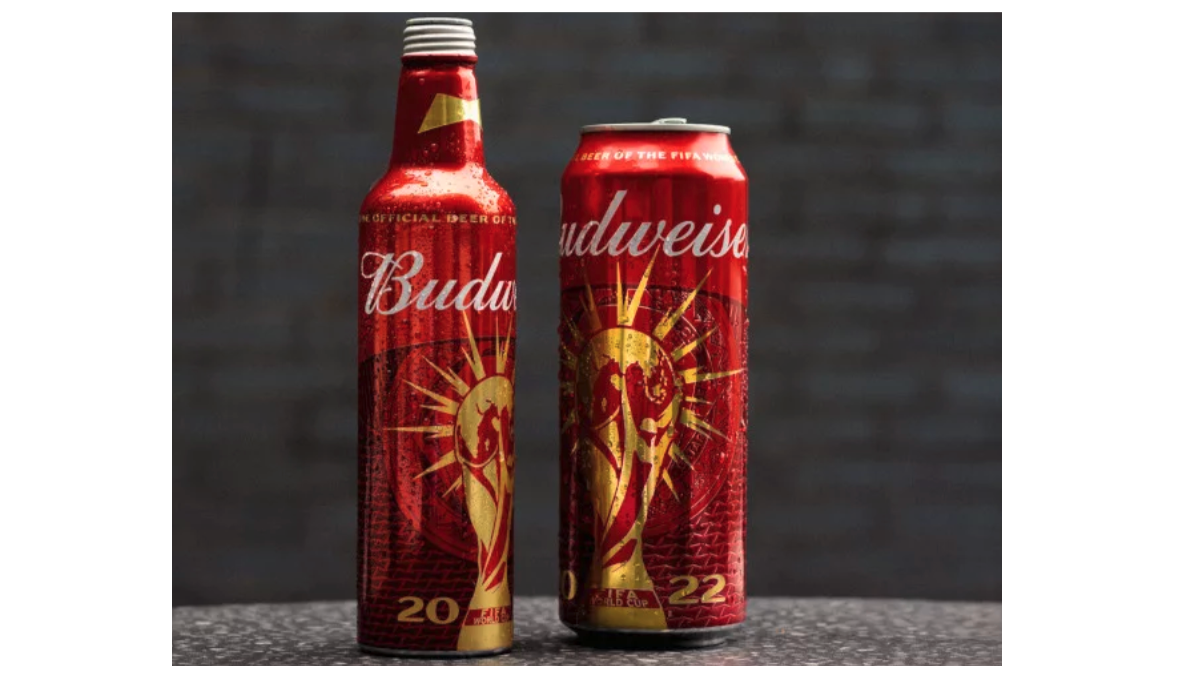
Many brands are using local colors, teams, players and imagery to draw in consumers. For their Anniversary Pack, Budweiser is rolling out collectible bottles and cans across Brazil, China and select 40 years of Budweiser packs as the official beer sponsor of the FIFA World Cup, honoring local tournaments from 1986 to 2026.
Lay’s is also helping fans celebrate the tournament with limited-edition potato chips and fun packaging featuring flavors based on local signature dishes, like Bacon Poutine for Canada and Cheese Soufflé for France.
Interactive and gamified packaging experiences are another major trend for 2026.
Blurring the physical and digital, brands are using packaging to create immersive tournament experiences — drawing fans into larger branded digital ecosystems through QR codes, games, AR integrations and digital rewards.
Take Coca-Cola. The tournament’s go-to soda brand Coca-Cola teamed up with Panini to hide over one billion stickers directly underneath the labels of 20-oz Coke bottles across North America. The stickers reveal one of 12 popular players from Harry Kane to Lamine Yamal.
Many brands are leaning into the sense of scarcity that fuels both impulse and planned purchases around the World Cup. Timed releases add to the exclusive feel of a packaging or product drop, while limited inventory drives hype online — typically triggering thousands of unboxing videos.
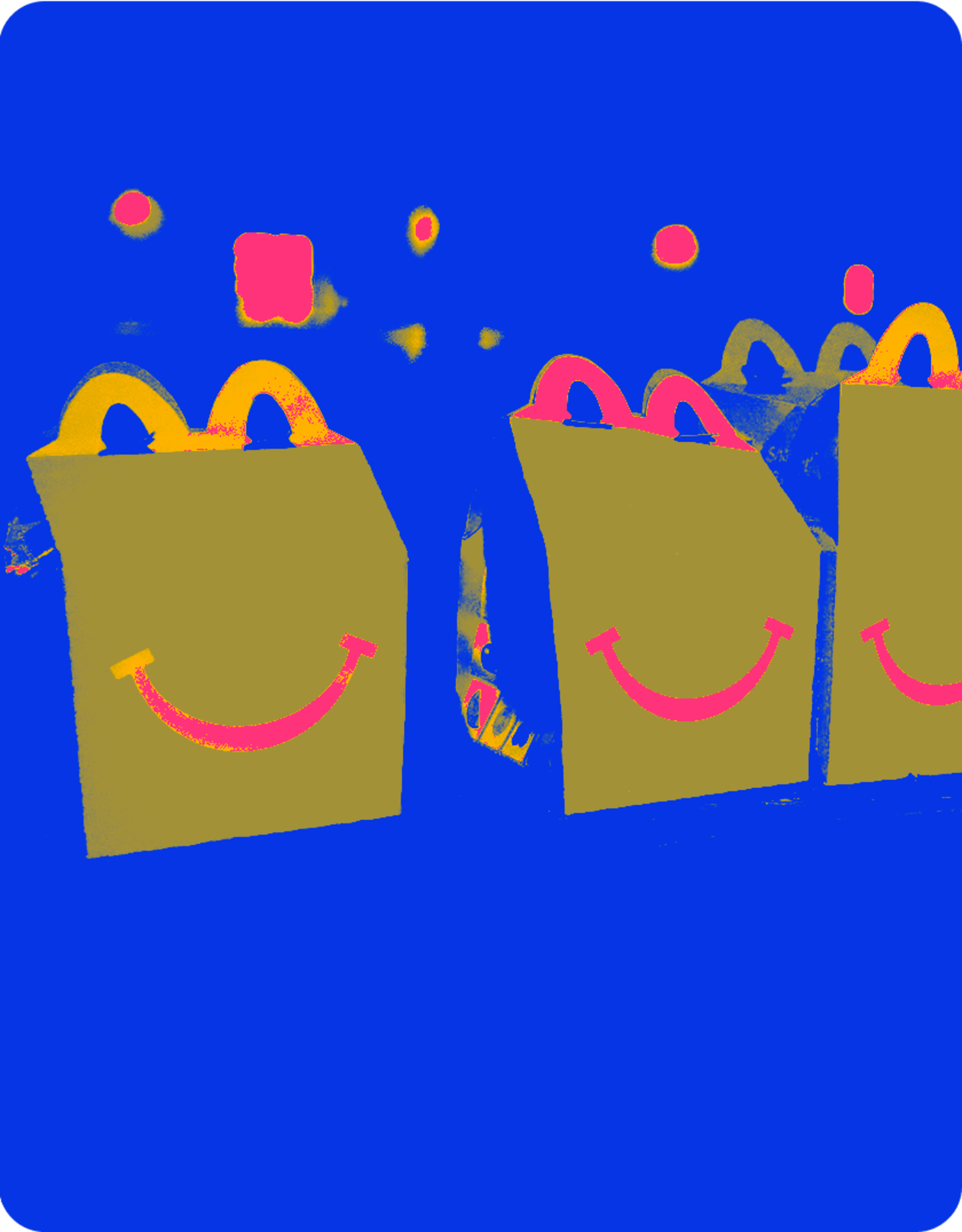
In the U.K., McDonald’s has launched a unique line of limited-edition World Cup-themed Squishmallows in their World Cup Happy Meals ahead of the tournament. The iconic Happy Meal's box adds to the mystery and suspense of the unveil, intensifying the feeling of scarcity surrounding the launch. While in the U.S., the brand is giving out limited-edition mini Adidas soccer balls in the brand’s signature red-and-orange packaging.
For many brands, packaging reveals function similarly to product launches. For example, Budweiser’s World Cup-themed pack was announced to fans via a global press release and brand film alongside full-scale billboards in their biggest markets.
Some industries do packaging better than others. Categories like snack foods and beverages have strategically used distinctive packaging to cut through the competition for decades, giving them a unique understanding of how to effectively use packaging to drive their World Cup campaigns.
Beverage brands lean into the appeal of limited-edition launches with high-visibility, collectible packaging that celebrates local teams and cultures and heightens consumers’ excitement for the tournament.
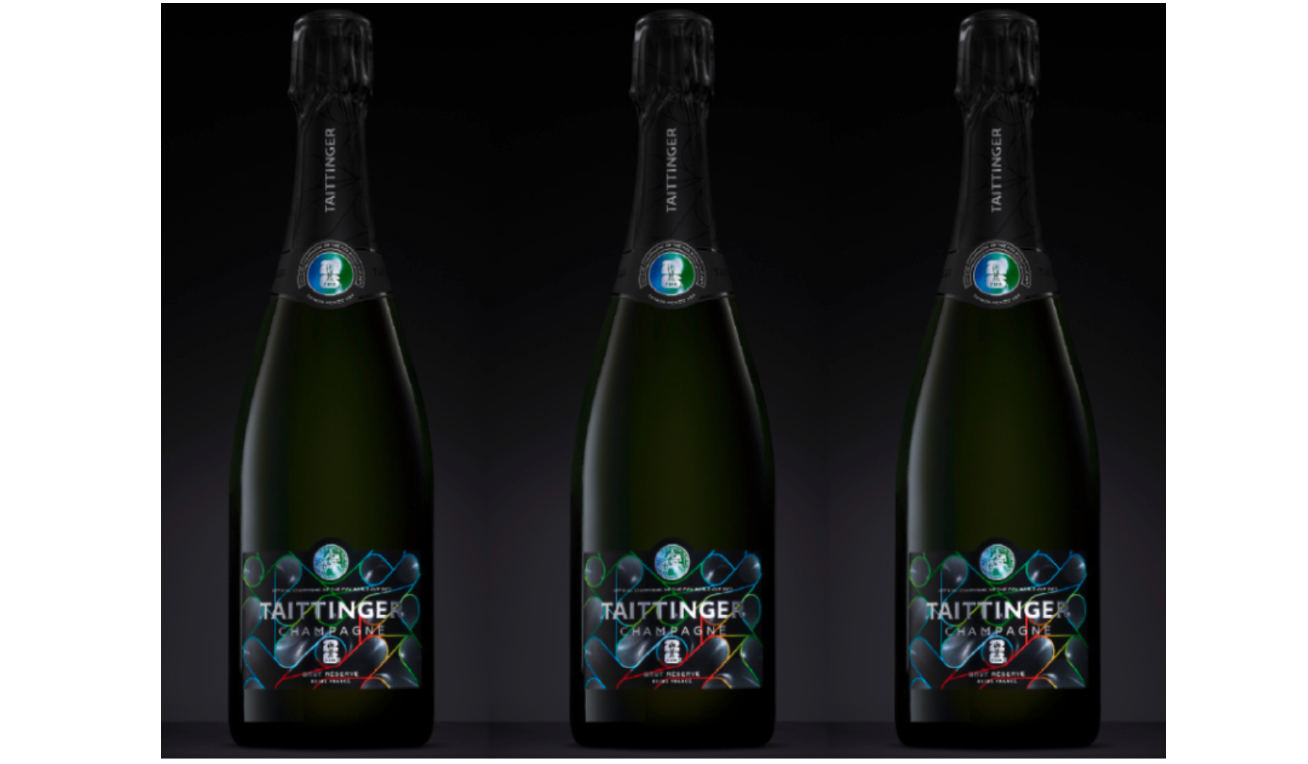
Source: Drinks Intel
Taittinger, the official champagne sponsor of the 2026 FIFA World Cup, is leaning into unique design with the release of their limited-edition bottle of Brut Réserve. The drink comes in a sleek black bottle styled with holographic gradients in Canadian red, Mexico green and American blue. Each bottle features a textured label that mimics the stitching of a soccer ball. Making the bottle feel even more exclusive, the brand is only releasing 350,000 bottles into global circulation.
Unique regional variations are also driving engagement. Coca-Cola is running country-specific can designs and localized digital experiences. Fueling collector culture, these are being rolled out across Spain, Brazil, England and the U.S. — fans can scan their cans to win match tickets and add collectible player stickers to their connected Panini sticker albums.
For their Anniversary Pack, Budweiser is rolling out collectible bottles and cans across Brazil, China and select 40 years of Budweiser packs as the official beer sponsor of the FIFA World Cup, honoring local tournaments from 1986 to 2026.
Another example is Coors Light's 'The Cooors Call' — a playful nod to the highs of the beautiful game. The brand is revamping its cans with limited-edition, soccer-themed packaging featuring a drawn-out name that mirrors fans celebrating a goal.
Matt Carpenter, VP of marketing at Coors Light shares:
“Our starting point was finding something genuinely ownable rather than just buying space around a big moment. The letter 'O' has been at the centre of Coors Light since day one – on every can, pack, and tap handle – and it's the same sound that's defined soccer celebration for generations. It gave us a platform that no other brand could credibly claim.”
Many snack and fast food brands are using their packaging to drive their multi-channel campaigns. Several big-name brands are using QR codes for cross promotions and fan engagement.
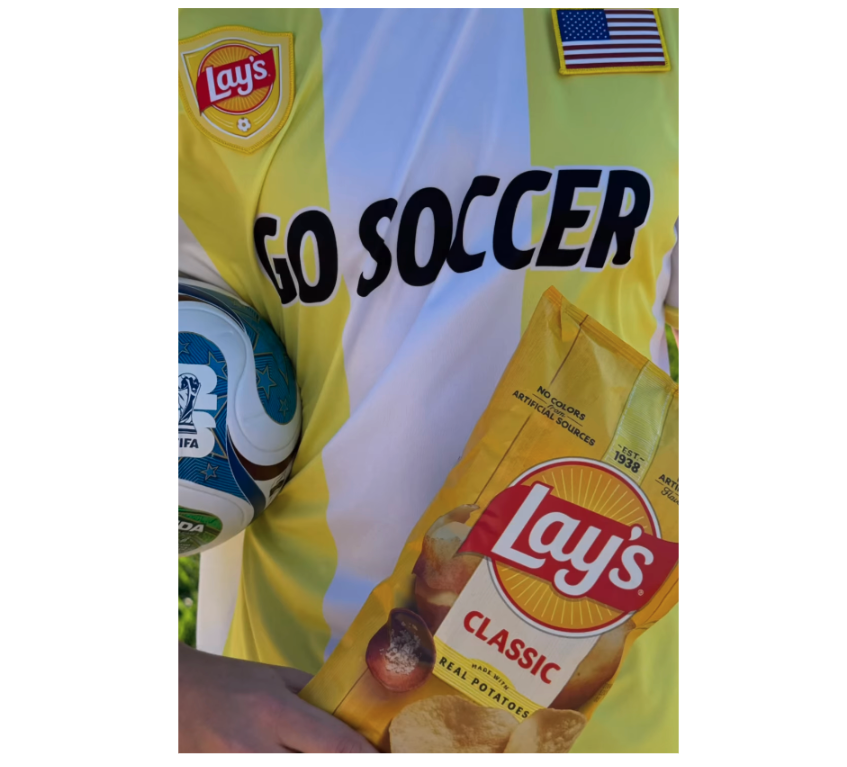
As an official World Cup sponsor, Lay’s No Lay’s, No Game campaign uses their packaging as a platform for their digital activations. With a scan of the on-package QR code, fans can join Lay’s exclusive Watch Party channel on WhatsApp, where they’ll get voice notes from brand ambassadors like Messi and Beckham.
Lay’s is also helping fans celebrate the tournament with limited-edition potato chips and fun packaging featuring flavors based on local signature dishes, like Bacon Poutine for Canada and Cheese Soufflé for France.
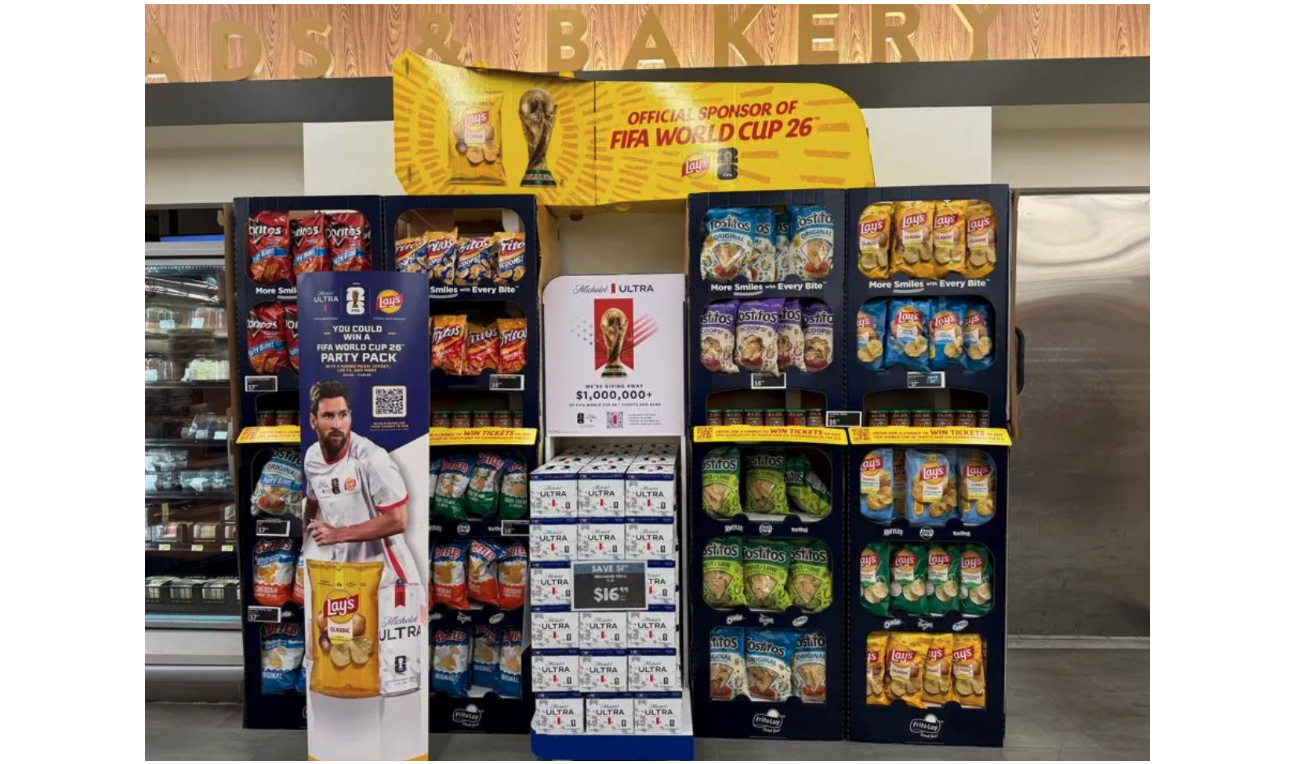
Source: Forbes
While McDonald’s customers are being invited to scan the QR codes on their box to access McDonald’s exclusive World Cup Fan Zone app that allows them to enter trivia competitions with other watch parties around the world in exchange for McDonald’s rewards and soccer prizes.
Several snack food brands are also switching up their packaging to accommodate group viewing experiences. Bigger cans and bags, exclusive matchday multi-packs, heavy-duty tear-away boxes and built-in serving trays help make snack-food brands feel like a natural part of the matchday experience.
While other brands are drawing in fans with fun themed, limited-edition flavors. Kellanova is releasing six limited-edition soccer-themed items, including Cheez-It Chili Cheese Dog, Pringles Spicy Loaded Nacho and Pop-Tarts Star-Spangled Blueberry.
Packaging is also being used to celebrate the game across fast food and snack food brands. McDonald's has turned its standard 20-piece and 40-piece Chicken McNuggets and large fry boxes into stadium boxes decorated with culturally-inspired artwork from the tournament's 16 host cities.
Team colors, high-visibility displays, tournament-branded football cardboard cutouts are also drawing the eye in the grocery store aisles. Many brands are also using cross-merchandising to drive sales with soda brands like Coca-Cola teaming up with salty snack food brands.
Sportswear brands are defining their World Cup strategy around premium collector packaging and drops culture. From Adidas to Puma, sportswear brands are using packaging to build a sense of exclusivity and hype among fans.
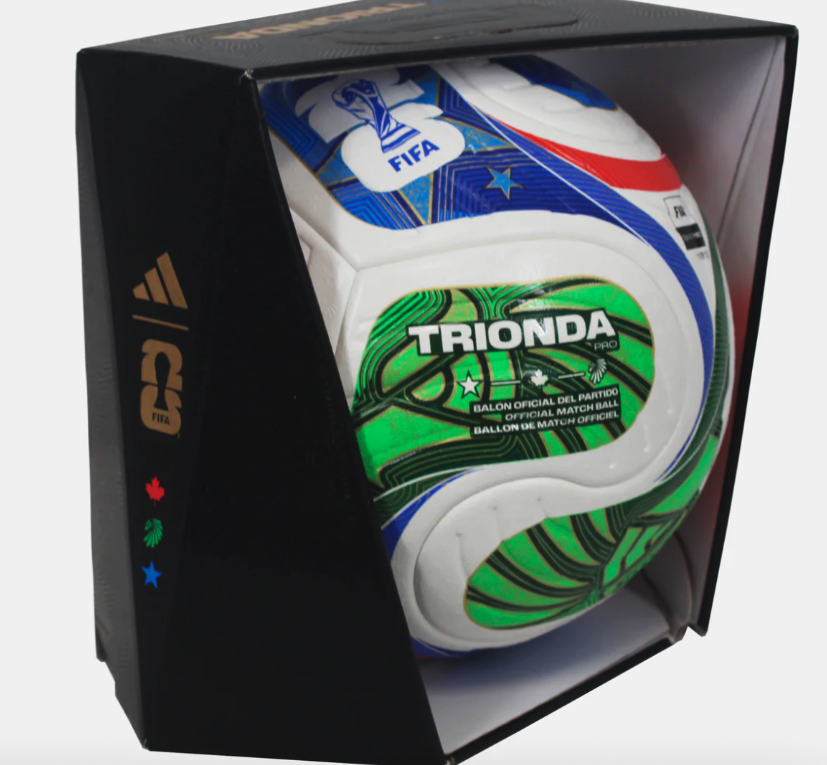
In many cases, packaging extends the unique designs we see in exclusive kits and gear — Adidas' packaging for the Trionda Pro and League balls, for example, mirrors the balls' host colors.
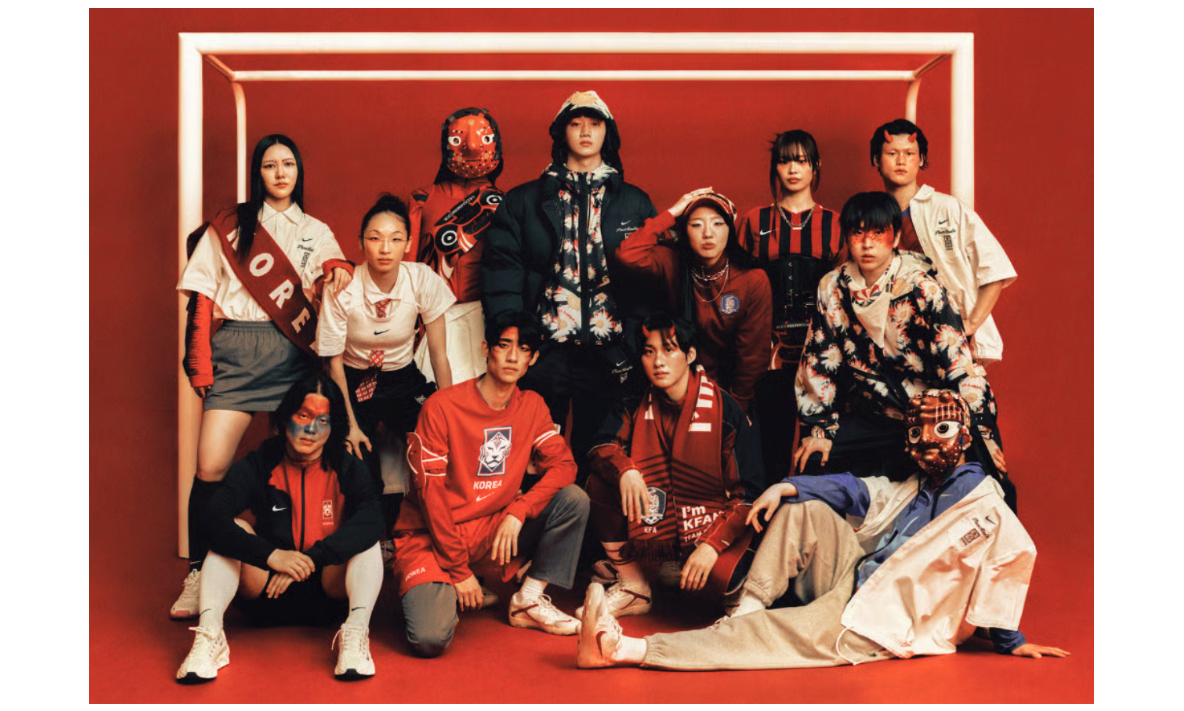
Packaging designs also help bring more hype to the World Cup’s most popular fashion, culture and soccer crossovers. Nike teamed up with local designers for their flagship Aero-FIT jersey kit drops, including Palace Patta for Netherlands and Jacquemus for France.
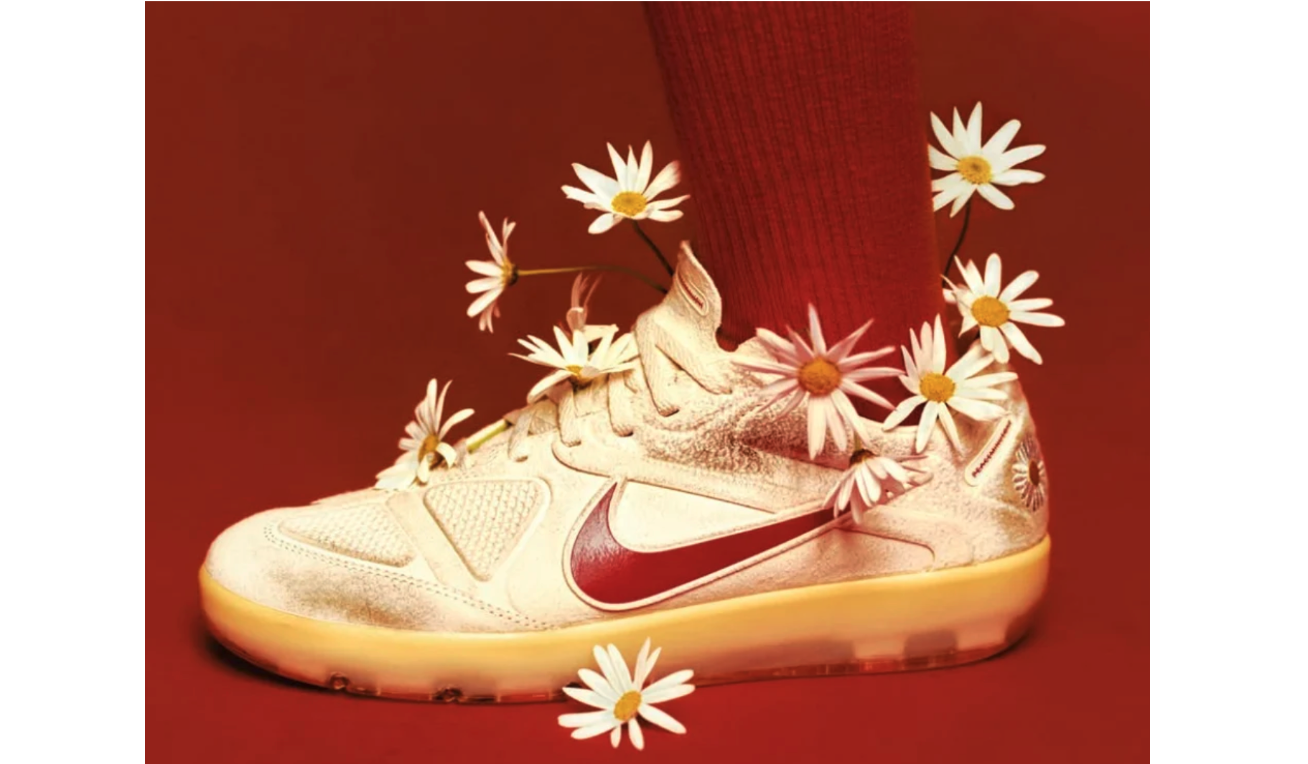
Source: Sole Retriever
At the forefront of each kit is the Cryoshot sneaker. This limited-edition sneaker turns the classic soccer cleats on the soles of the shoe into street-friendly wear by coating the studs in flat, crystal-clear outsoles. To show off the design, Nike are trading out their go-to black boxes for clear display cases, helping to fuel the collector's buzz.
Zach Harris at Sole Retriever says:
"For example, G-Dragon's PEACEMINUSONE x South Korea Cryoshot arrives in a specialized, clear display case rather than cardboard. The PEACEMINUSONE x Korea x Nike Football Collection features a floral daisy theme, with red, black, and white accents throughout the kits, sweat suits, scarves, and more. The Cryoshot collab, which we first saw on G-Dragon’s feet, is a cream-colored CTR360 Maestri II cleat with a red Swoosh and yellowed spikes set in a clear case.”
Here’s what makes for a successful World Cup packaging launch.
Many brands are designing packaging with social media and creators in mind. Viral, aesthetic-first packaging inspires consumers to collect and share across social channels. Successful launches are typically amplified by influencers, who share the designs with new audiences.
Source: Dieline
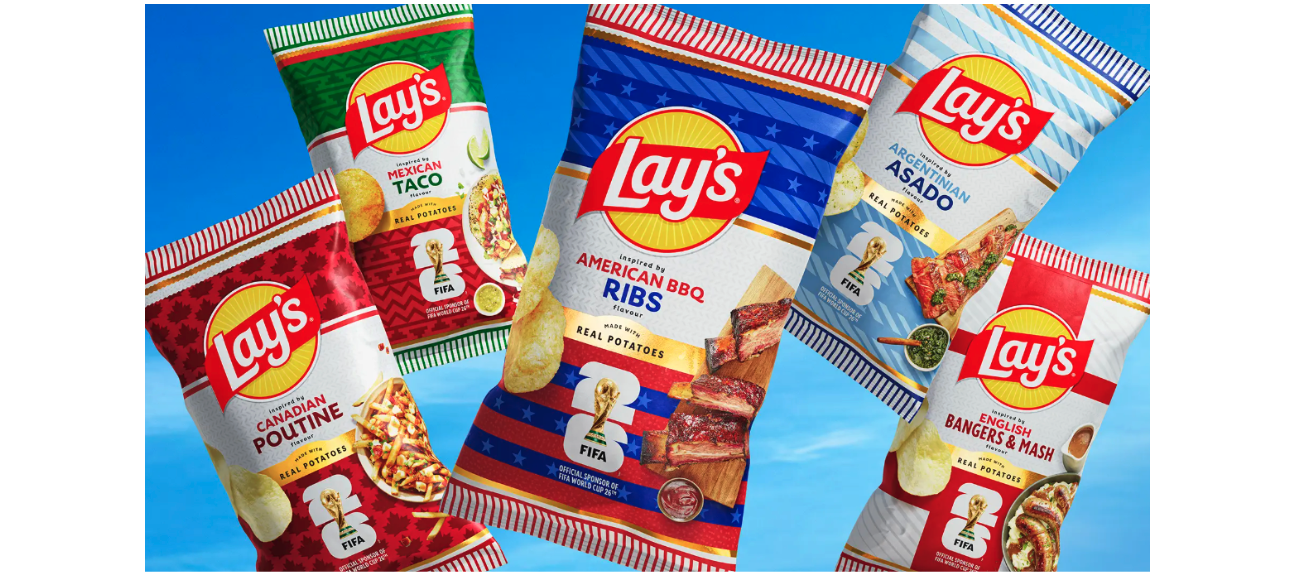
Lay's and designer Rodolfo Baquier's FIFA World Cup 26 eclectic limited-edition bag designs, featuring local football fan scarves, are gaining popularity across the design community and among fans online. These uniquely-designed packs are available to fans across the host nations: Canada, Mexico and the U.S.
Chloe Cordover at Dieline shares: “The structural design concept is rooted in football fan scarf culture, with each bag using the horizontal stripe and geometric pattern language of team scarves as the main layout. Each bag then layers in subtle cultural pattern details specific to its country of origin, all interpreted as repeating textile-style graphics rather than literal flag reproductions. The typography sits within the Lay’s brand system, but the flavor callouts are given different scales and weights in the center of each bag alongside a food photograph.”
She emphasizes the careful artistic consideration given to the design:
“Limited-edition sports collaborations can quickly feel like a logo slap on an existing design, but this one shows what happens when a designer builds a system from a cultural insight up."
Brands that create the biggest hype will lean heavily into scarcity and urgency tactics — regional roll-outs, limited-edition collectibles and limited prize draws.
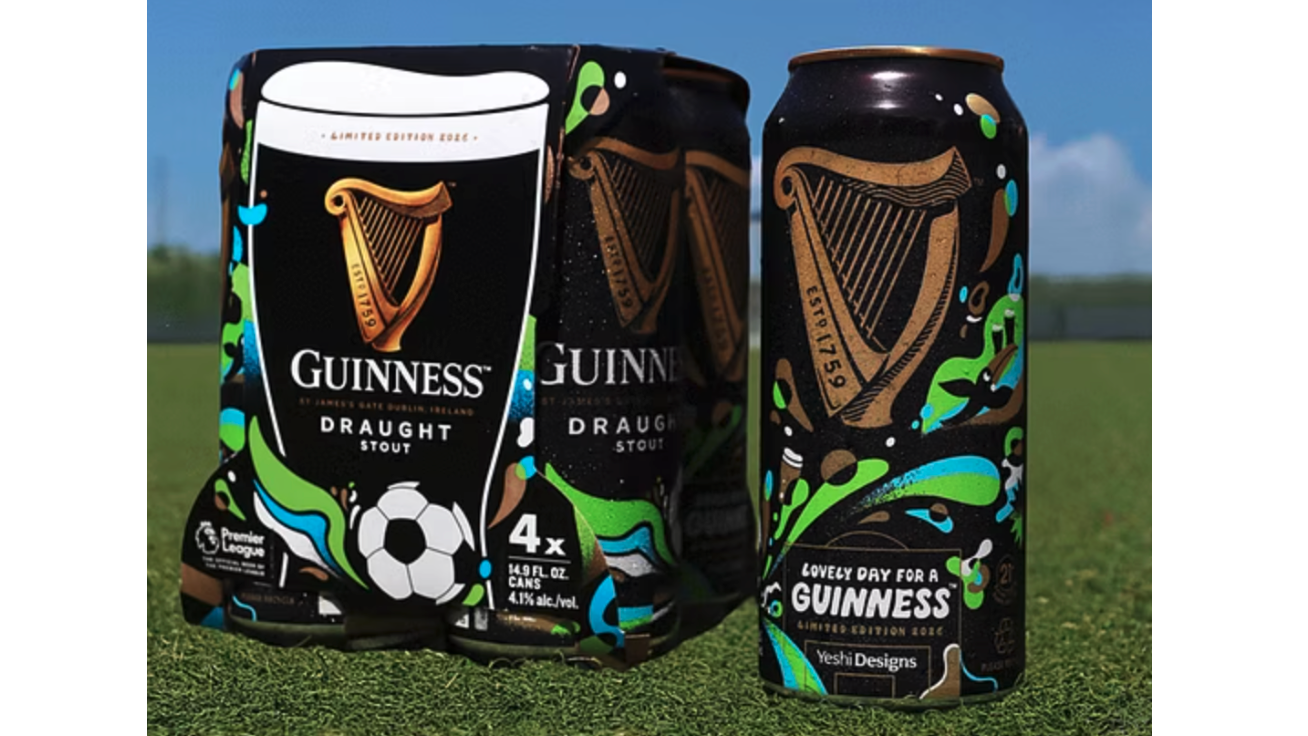
Guinness is perfecting this by rolling out limited-edition, collectible artistic designs from acclaimed artists on their World Cup packaging. The popular stout's tournament packaging was designed by Brooklyn-based illustrator and designer Sophia Yeshi.
While sports packaging campaigns built around limited-edition regional designs, like Budweiser’s international anniversary collection explored above, connect to fans through local team pride.
Source: Bleeding Cool
Unique designs, multi-sensory unboxing experiences and packaging drops with online creators and athletes will all help make iconic brand packaging part of internet culture and the buzz surrounding the upcoming tournament.
From Pepsi to Adidas, here’s how some of some soccer’s most legendary brands are approaching World Cup packaging for the 2026 tournament.
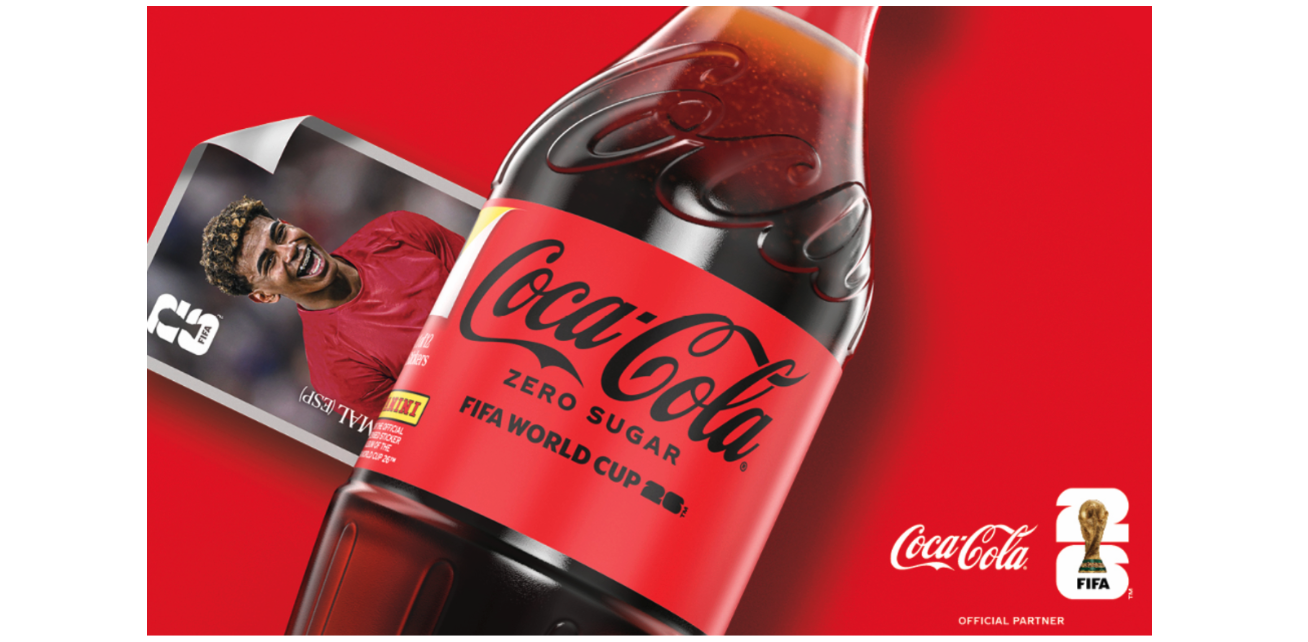
As touched on above, in the U.S. and Canada, Coca-Cola is experimenting with interactive packaging for the 2026 tournament. In partnership with Panini, the brand is challenging fans to find 12 popular players in sticker form, hidden under the labels of 20-oz Coke bottles. Fans can add each player they collect to the Panini Digital app, encouraging them to complete their digital sticker album.
Source: Coca-Cola
Katie Gritt, head of marketing for sport at Panini said, “We are delighted to be able to combine the magic of collecting Panini FIFA World Cup stickers with the excitement of hunting down these exclusive stickers on Coca-Cola bottles for the first time in the UK! Adding even more fun to the collecting experience for fans, within the biggest Panini FIFA World Cup album of all time, we hope fans will enjoy tracking down the 12 special stickers ahead of what promises to be an incredible summer of football!”
In what some marketers are calling an ambush sponsorship, Pepsi is rolling out a series of rival packaging designs for the 2026 tournament.
Replacing its standard can designs with dynamic, mid-game graphics, the brand's limited-edition packaging features its global ambassador lineup — including stars like Vinícius Júnior, Christian Pulisic and Guillermo 'Memo' Ochoa.
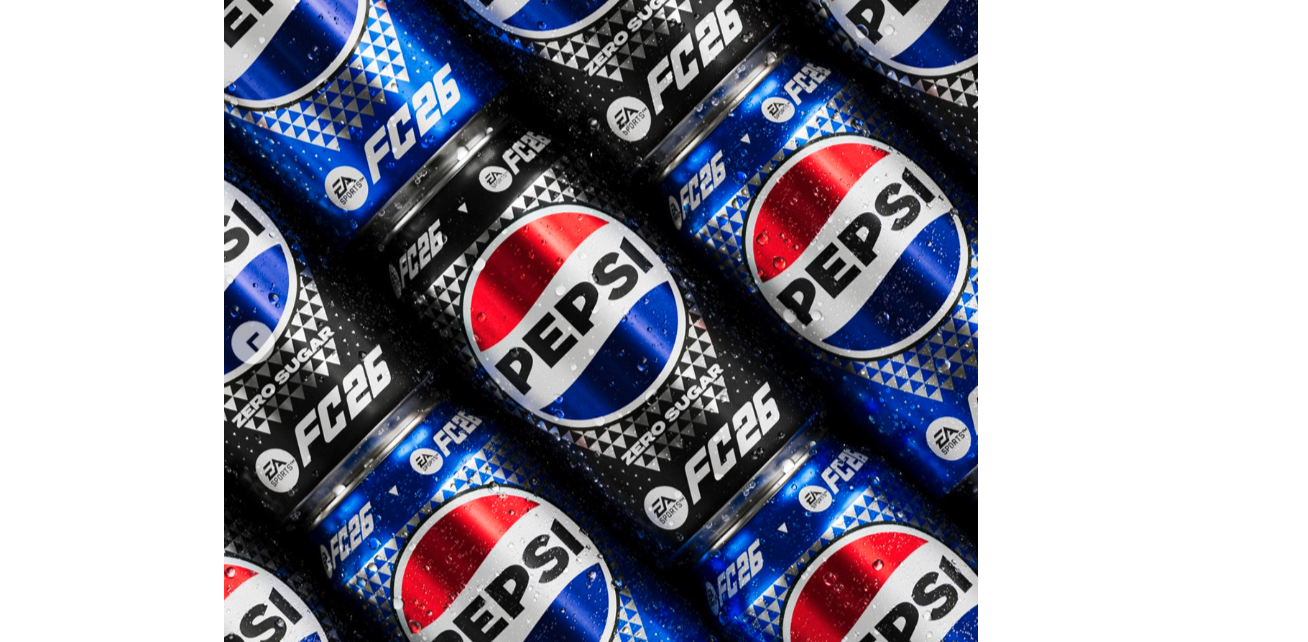
Pepsi is also collaborating with design agency Village Green to create EA Sports FC 26 packaging. The collectible cans will feature premium metallic finishes and football stars alongside sharp geometry, with in-game reward codes on the outer wrapper or packaging tab to drive sales.
Source: Pepsi Instagram
The brand shared on their Instagram: "To showcase this limited edition collab, our design team played with metallic finishes and sharp geometry, featuring iconic legends on collectible cans that shine like trophies. A combo made to win."
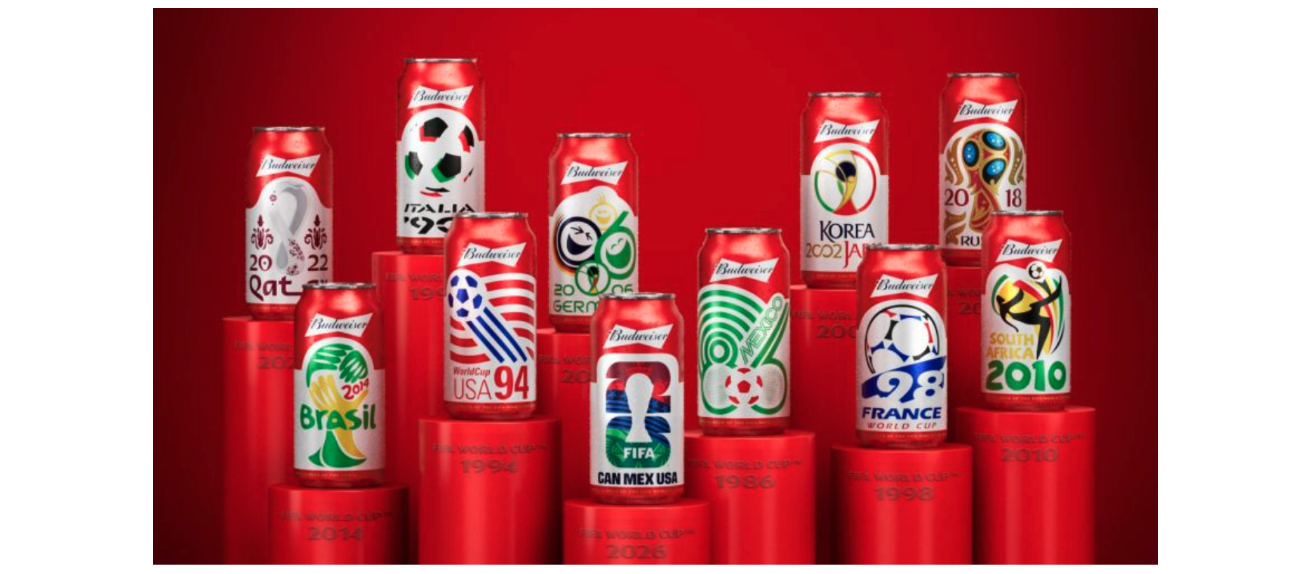
The Budweiser FIFA World Cup™ Anniversary Pack celebrates their 40-year connection with global fans as the official beer sponsor of the tournament.
The exclusive pack features 11 collectible aluminum bottles and cans, showingcasing designs built around every tournament from 1986 up to 2026. As a home for their new designs, the popular beer brand set up a global, nostalgia-based platform called 'Budstalgia.'
Source: Lia
In a double-entendre nod to the keepsake element of the new designs, Nicholas Bergantin, co-CCO at Africa Creative, the agency behind the design shared: “Budweiser has been part of the global story of the World Cup for 40 years, creating moments that fans carry with them long after the final whistle."
He added, “With this campaign, we wanted to capture that sense of ‘Budstalgia,” celebrating the memories, rituals, and shared joy that connect generations of fans through the game.”
Source: Lay’s Instagram
In a great illustration of the gamification of packaging, Lay's is bringing the tournament's digital buzz to fans' favorite messaging app, inviting them to celebrate the game in an exclusive tournament WhatsApp channel. As an extension of the No Lay's, No Game platform, the channel gives fans access to:
Behind-the-scenes content, memes and exclusive voice notes from players like David Beckham and Lionel Messi
Competitions that allow them to trade photos of their Lay's receipt for a chance to win tournament tickets
Quizzes and guides to keep fans engaged and buzzing throughout the tournament
The Lay's packaging provides an exclusive entry point to the channel, inviting fans to scan the QR code on the back of the pack.
As the official ball sponsor of the World Cup, Adidas is going all in on premium, eco-friendly packaging as a home for their Trionda Pro and League balls.
Source: The Vault
The brand's boxes are embellished with exclusive tournament graphics, mirroring the game ball's red, green and blue 'la ola' wave aesthetic that signifies their ties to Canada, Mexico and the USA. Presented in durable display cases, both box and ball are coveted collector's items for the 2026 tournament.
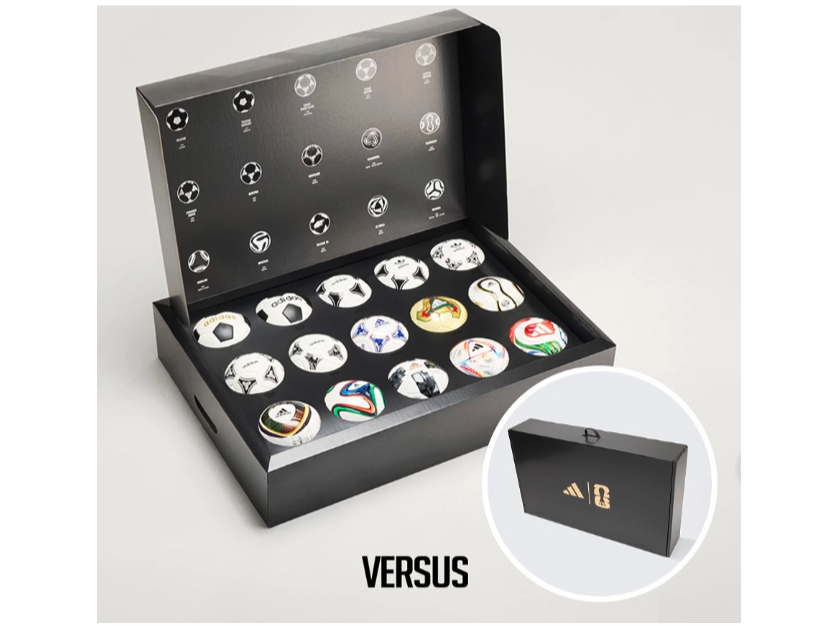
The brand has also released a 15-piece set of every game ball since 1970, presented in a sleek black box that features each ball illustrated inside the lid — making both the packaging and the balls essential components of the collector's item.
Source: Versus
Source: Sole Retriever
As Adidas’ biggest rival for fans' attention during the World Cup, Nike is rolling out their flagship Aero-FIT jerseys in sustainable packaging for this year's event. The brand also unveiled the Universe of Football collections and kits designed by a mix of famous designers and lifestyle brands.
Featured brands include Palace Patta for Netherlands and Jacquemus for France. These exclusive drops will reportedly feature custom presentation boxes, which are likely to be shared widely with popular online creators and athletes, helping to build the unboxing buzz online.
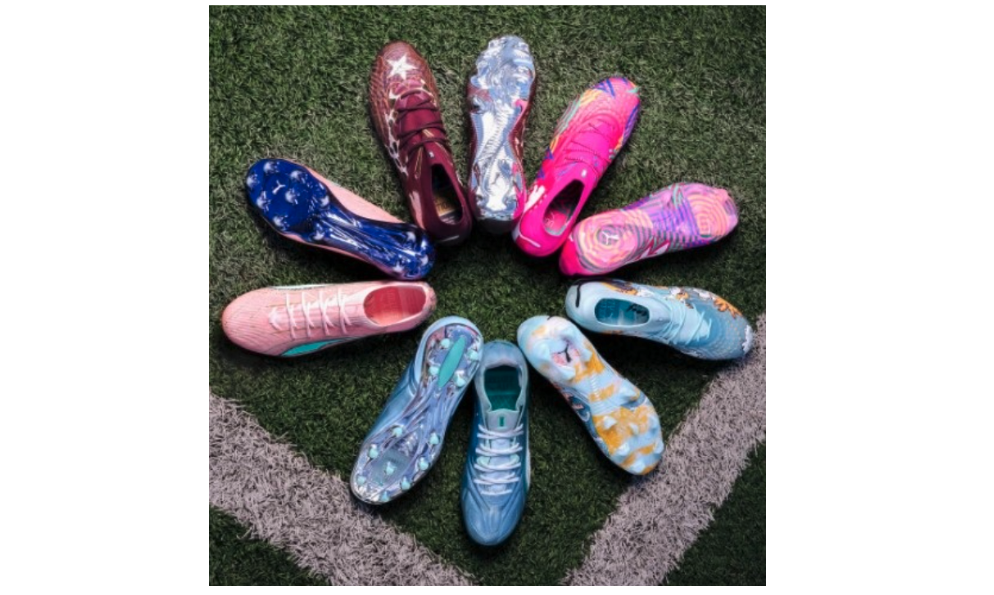
Puma unveiled a City Edition Pack based on the brand's Future, Ultra and King silhouettes — each a creative nod to a World Cup host city, such as Mexico City or New York. Each pair is reportedly packaged in graphic-printed boxes with designs that reflect the local street culture.
Source: Footy Headlines
“The new PUMA 2026 World Cup City Edition boots collection features five distinct models, each paying tribute to one of the tournament’s host cities. Every design tells a unique story shaped by global football culture, brought to life through bold patterns and vibrant colorways inspired by the character of each location." - Daniel Jones, SoccerBible.
Designer-made, gamified and localized: the best-of-the-best packaging for the 2026 World Cup are collector’s items in their own right.
Brands like Nike, Pepsi and Lay’s are all using packaging in creative, fresh and original ways — drawing fans into their branded digital ecosystems, helping them celebrate their local teams and culture and giving them collectibles to keep long after the tournament wraps.
Stay up to date with our latest insights, tips, and industry news.