Learn how McDonald's has partnered with Zappi to build its test-and-learn approach to innovation, rather than a "test to earn a good score" approach.
The Zappi team was live in San Francisco to see how some of the biggest advertisers are showing up for Super Bowl LX!
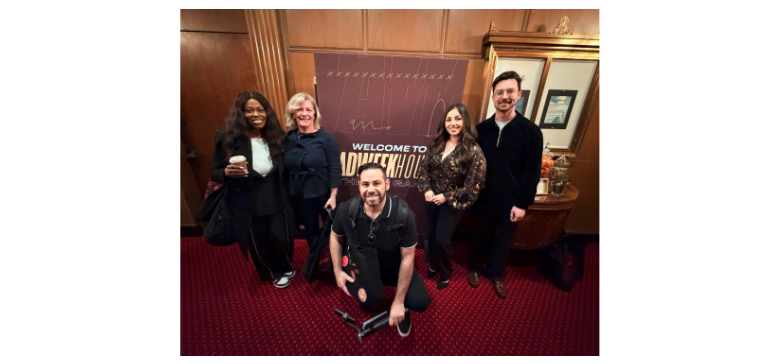
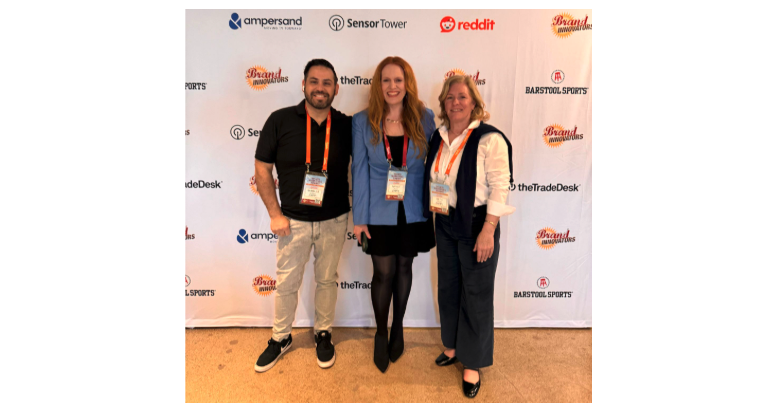
We spoke at AdWeek House’s The Big Game event and also stopped by Brand Innovator’s Sports Marketing Summit to hear how top brands are driving impact on the biggest stage in sports, as well as moderate a session on how to show up in cultural moments leading up to the Super Bowl with the CMO of Liquid I.V., Stacey Andrade-Wells.
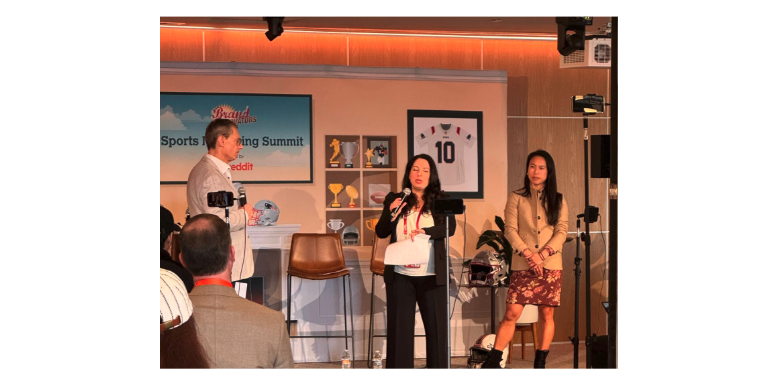
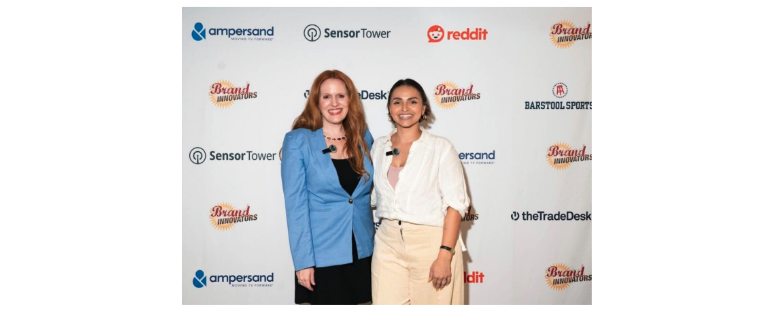
This was such a fantastic event put on by Reddit. I have to shout out Paulita David, Reddit's Senior Managing Director and Head of U.S. Large Customer Sales, and her team, who were so wonderful and helpful!
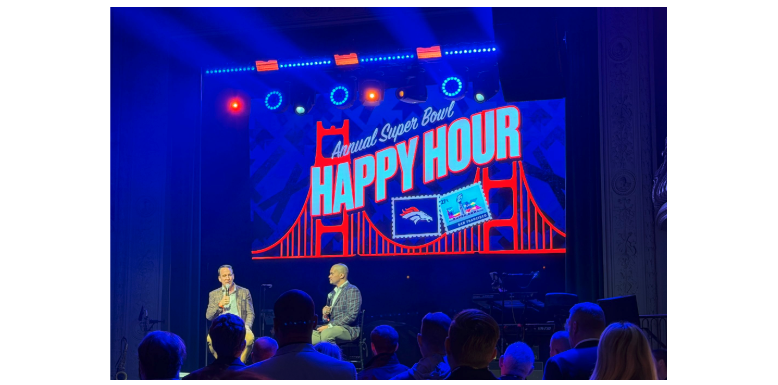
And shout out to our friends at the Denver Broncos for having us at their happy hour where we got to see Peyton Manning speak!
We had a great time at all the events and heard a lot from brand leaders during the sessions. Here’s my key insights from our time there and what I learned from some of the world’s best marketers.
I loved the session from Gerardo Soto, VP of Media & Sports Marketing, and Julie Lee, Director of Brand & Sports Marketing at Lowe’s, who kicked off the Brand Innovators event by tackling a clear challenge for their category: Home improvement isn’t exactly tied to football.
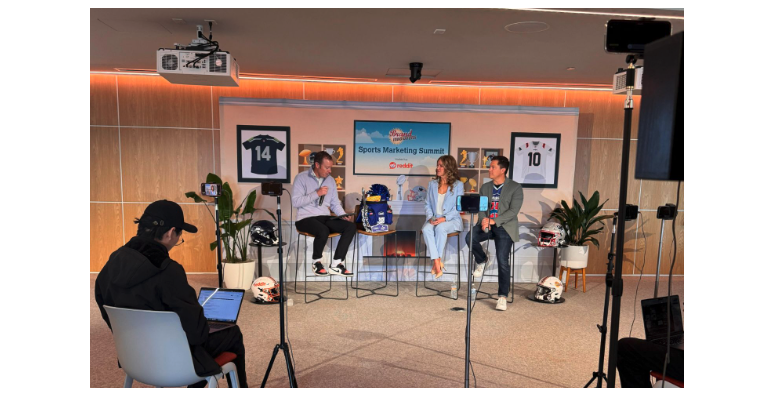
Unlike categories like beer or food, Lowe’s doesn’t have an obvious role on game day. Instead of forcing a traditional sponsorship approach, the team stepped back and asked a bigger question — how do we show up where future homeowners already spend their time?
Their answer: Gaming.
Through a partnership with EA Sports, Lowe’s integrated its brand directly into the gaming experiences that Gen Z and millennial audiences engage with daily. As Soto shared, many players spend up to three hours a day in these environments — creating sustained, high-attention exposure that most media channels simply can’t match.
Anchored by the insight that people “earn their Sunday,” putting in the work during the week so they can relax and enjoy the game, Lowe’s built a broader platform that connected productivity with game-day reward. The brand positioned itself as the partner that helps you get projects done so you can fully enjoy your downtime.
That idea came to life through immersive experiences, including an EA Sports gaming truck where fans could jump in, play and earn swag, plus 19 on-the-ground stadium stops as part of a larger 360-degree campaign.
The results validated the approach: The effort drove a 43% lift in purchase intent.
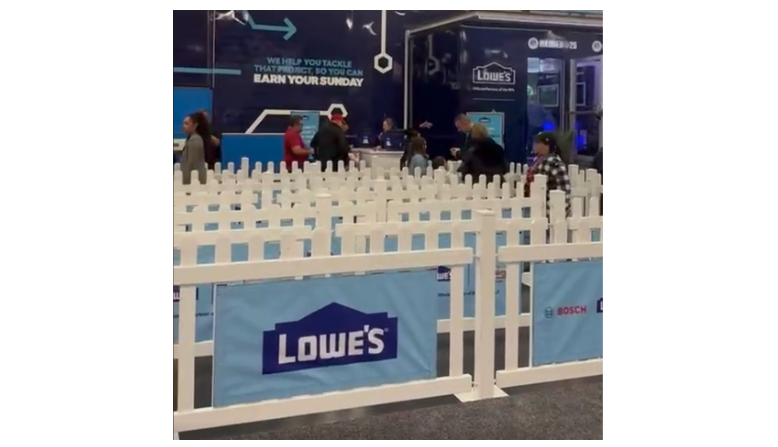
Not only that, we loved seeing the Lowe’s activation at the Moscone Center. It was perfectly on brand, inviting and playful.
This session served as a strong example of connected insights at work — blending cultural behavior, media habits and experiential touchpoints into one cohesive system rather than a collection of disconnected tactics to create a campaign that truly resonates.
In a behind-the-scenes session, Caroline Davis, Claire Egerter, Lucy Hallowell and Caitlin Moran from the NFL’s Global Brand & Consumer Marketing and Advertising teams shared how the league thinks about its next phase of growth.
For an organization already operating at massive scale, the focus isn’t simply getting bigger, it’s getting broader.
The team spoke about intentionally reaching new audiences, especially younger fans, Black communities and other underrepresented or emerging segments. And they’re doing it by recognizing that the NFL isn’t just a sports league — it’s one of the biggest sports and entertainment platforms in the world. That reach, they noted, comes with both opportunity and responsibility.
Their strategy centers on creating multiple entry points into the brand.
Not everyone engages with the NFL the same way. Some show up for the game, others for a favorite team, a halftime performer or even just the cultural moment around it. The goal is to make space for all of those motivations — from die-hard fans to casual viewers, families and first-timers.
Purpose-led initiatives play a big role in that effort. As Marissa Solis, SVP of Global Brand and Consumer Marketing at NFL, shared in her recent podcast episode with us, programs like Inspire Change and My Cause My Cleats — where players spotlight charities they care about through custom-designed cleats — help ground the league in local communities and give fans more personal, human ways to connect. These programs bring in the local as well as the global, something every NFL advertiser should also pay attention to, as the NFL keeps growing the overall market for football fans, more advertising opportunities will continue to abound.
Those stories then carry into broader campaigns and advertising, reinforcing that fandom can look different for everyone.
What stood out most was how layered yet connected the approach is. The NFL pairs hyper-local efforts, like team and community-specific causes, with an expanding global footprint, tailoring experiences to international markets while keeping the storytelling rooted in local relevance.
In her session on how to show up culturally for the Big Game, Stacey Andrade-Wells, Chief Marketing Officer at Liquid I.V., shared an inside look into the thinking around their Super Bowl campaign.
Drawing on the brand’s Los Angeles roots, the team approached the campaign the way a studio might launch a film — with trailers, a custom soundtrack and a big debut moment. Rather than releasing the full ad early or teasing it across social for weeks, they decided to hold it back for game day. The goal was to build anticipation and keep the surprise intact, much like opening night at the movies.
They also made a deliberate decision to skip the typical celebrity cameo. Instead, the brand partnered behind the scenes with Grammy-winning Korean American songwriter EJAE — known for her work on the hit K-pop track “Golden” — to create the campaign’s soundtrack. It gave the creative cultural credibility and energy without pulling focus away from the product. The thinking here was simple: Even with the added celebrity soundtrack, the brand should be the star.
But the strategy went well beyond the spot itself.
Research with millennials and other core audiences uncovered a clear opportunity around hydration awareness. Many people don’t recognize the signs of dehydration — and one of the biggest moments of need happens right after the Super Bowl, which consistently ranks among the top “call in sick” days of the year.
So Liquid I.V. built the rest of the campaign around that behavior. The team partnered with major workplaces to drop product samples directly into offices and even worked to establish an official “National Rehydration Day” the Monday after the game — turning a cultural moment into a timely, practical reason to try the product.
What came through in the session was how connected it all felt. The creative, the media timing and the real-world activation all laddered up to the same insight about when and why people actually need hydration.
I was also excited to have a video interview for Brand Innovators with Marcelo Kertesz, CMO of Manscaped, to talk about the brand’s Super Bowl strategy. He started with a simple truth: They’ve grown fast, but they’re still not famous.
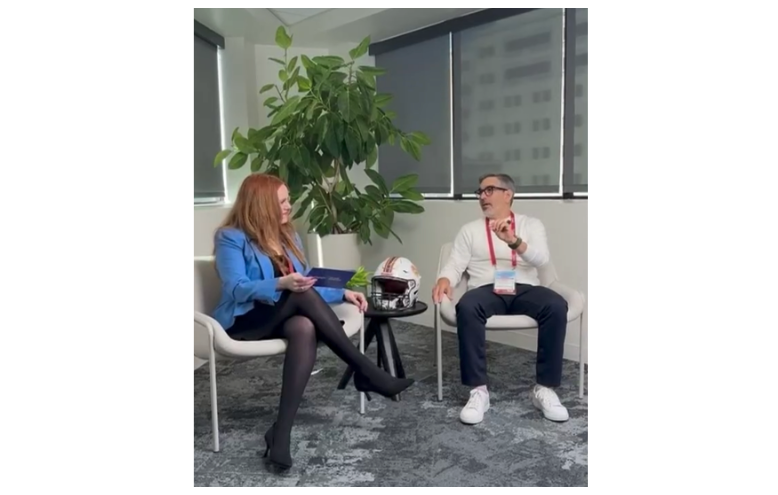
The company began as a local San Diego brand with a loyal following and has scaled quickly since. But despite that growth, plenty of consumers still don’t know who they are. So for Manscaped, the Super Bowl wasn’t just a big media moment — it was a chance to introduce themselves in a way people wouldn’t forget.
That meant doing something distinctive.
The team landed on a creative idea that feels very on-brand for Manscaped: slightly absurd and unexpectedly emotional. They took a familiar human insight — how deeply people associate hair loss with something traumatic — and flipped it. Instead of focusing on the person losing their hair, they made the hair the one experiencing the loss.
In the ad, the hair becomes the character, almost like a pet mourning its owner. By turning grooming into a story rather than a straightforward product demo, the brand created something people might actually talk about the next day.
At the same time, the spot had a clear business objective.
Many consumers still associate Manscaped with one specific use case. But the product line has expanded well beyond that into broader body grooming. So the creative intentionally showed hair removal across multiple areas, helping reposition the brand as a more holistic grooming solution rather than a niche player.
What came through most was how invested the team was in the characters themselves — with each one named. It gave the campaign a personality that feels ownable, not just like a one-off joke, which I really enjoyed hearing about.
I also spoke at AdWeek House’s The Big Game event at the session “Built Long Before Kickoff: How Super Bowl Advertising Actually Gets Made” with Sarah Reinecke, Senior Vice President, Salty Portfolio & Brand at MARS, Jim Ruane, Senior Vice President, lead Brands at Diageo and Will Lee, CEO of AdWeek to discuss how the real impact of Super Bowl advertising is determined months (or even years) in advance.
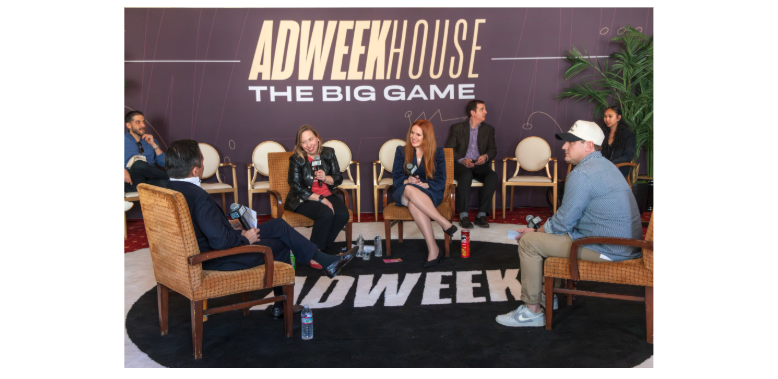
I loved hearing Jim and Sarah discuss how they use data to make decisions, looking beyond just ad performance but sales impact for MARS and Diageo, and how important all the offline activations are, as well as marrying these with their online spots. Jim made it clear that the Super Bowl is an important moment for their brands to engage with sports fans.
Diageo reaches sports fans via many on the ground tactics to get the product in front of people, and cited the fact that on average, Americans only buy one bottle of spirits every year, making this category very competitive. I love that he was sporting his Captain Morgan hat during the panel too!
We all walked out holding different flavors of Pringles, in support of the MARS Pringles Super Bowl ad spot, which features Sabrina Carpenter.
Sarah also spoke on their ad, especially on their creative feature of a character actually made of Pringles, reminding people of their stackability (and snackability!) Will Lee loved that so much he actually ate some Pringles while moderating, making us all laugh.
When asked which Super Bowl ads were our favorites this year, Sarah cited the Dove ad, Jim cited the Pringles ad and I gave a shout out to Greg Guidotti and team over at Ferrara Candy Company for their joyful and fun Nerds Gummy Clusters ad.
I had such an incredible time listening and speaking to these extremely talented marketing and brand leaders!
Whether it was Lowe’s embedding itself in gaming culture, the NFL creating multiple entry points for fandom, Liquid I.V. extending its story into the day after the game or Manscaped using distinctive storytelling to reset perceptions, each strategy started with a deep understanding of consumer behavior and context.
I loved that the common thread wasn’t simply bigger budgets or louder creative. It was connected thinking — linking insights, culture and activation to create relevance that lasts well beyond a single spot.
And I’m already looking forward to next year. I can’t wait to see everyone in Super Bowl City for Super Bowl LXI in California again!
Stay up to date with our latest insights, tips, and industry news.