

Learn how McDonald's has partnered with Zappi to build its test-and-learn approach to innovation, rather than a "test to earn a good score" approach.
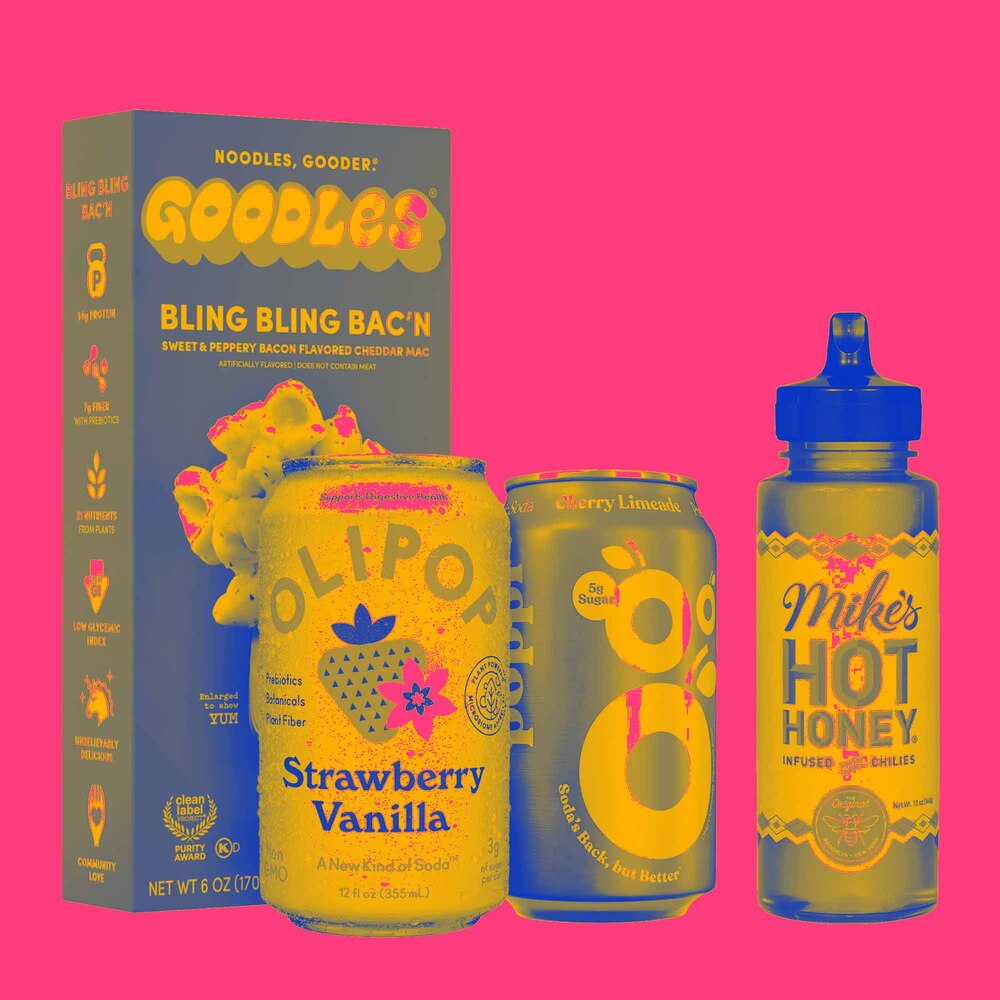
We all know about legacy brands, those household or instantly recognizable brand names we’ve practically grown up with. But what about challenger brands?
Challenger brands are the new players on the field; those that break into an existing market and experience rapid growth through innovation, correcting a problem or meeting a need that established brands have overlooked. These challengers may disrupt, provoke, democratize, champion or humanize in order to claim market share.
In this article, I’ll dive deeper into the difference between challenger brands and big name brands, what makes them successful and more. Let’s get into it.
When a company has reached the point where their brand is synonymous with the entire category, their domination of the sector or product category is clear. Think: Kleenex or Bubble Wrap or Google.
Yet, these brands aren’t the only ones with products in their various categories. While their brand names may not be as commonly recalled, tissues, packing products and search engines are available from other brands.
And sometimes the perceived advantages that household name brands have can leave opportunities for their challengers.
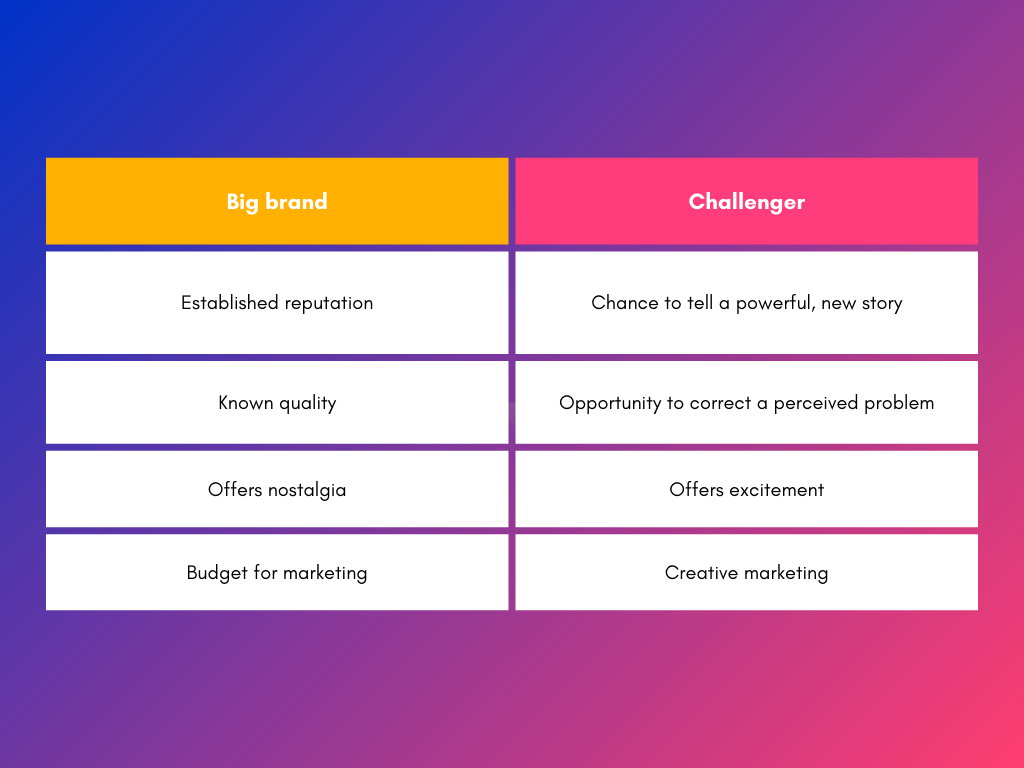
Here are some of the differences between how the two types of brands can approach branding and marketing:
It’s worth saying that while some brands may start out as a smaller challenger brand, they can go on to become big brands. For instance:
In 1984 Apple was the challenger brand, but it’s doubtful that anyone today would consider the iPhone to be “lesser known.”
Not many people outside the midwest had ever heard of La Croix in the early 2000s, but today it’s the sparkling water other brands are challenging.
The energy bar/granola bar market is a saturated market, and at one time Clif and Larabar were the challengers!
Although there’s not a specific roadmap for companies to follow from challenger to household name, certain positioning and elements can help make that journey a success.
Let’s take a look at some positioning strategies that have contributed to the success of challengers, as well as some examples.
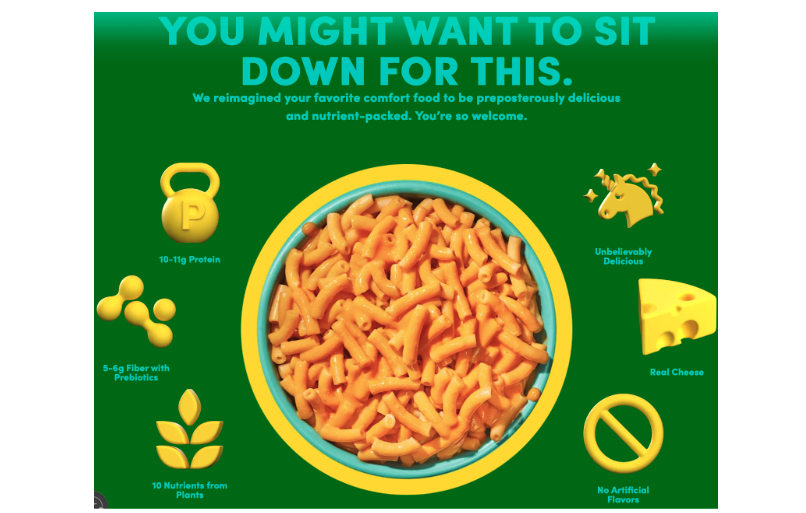
In the CPG space, snacks are one of the most crowded markets, and right now, what matters to consumers looking for the perfect snack is often nutrition. Current consumer trends favor fewer ingredients, less processing and an overall healthier nutritional profile. One example of a challenger brand successfully navigating the better-for-you marketing strategy is Goodles, purveyor of mac and cheese.
Source: Goodles
While household mac and cheese brands like Kraft have been around for some time, Goodles has positioned their product as both a favorite comfort food and as being better for you than competitors. They offer multiple flavors, microwavable cups and their packaging is designed to appeal to kids and adults. And being better for you is working for Goodles: They are the seventh fastest growing brand in US grocery.
Brands that are transparent about their products, processes and relationships are perceived as authentic by their customers — and that authenticity builds trust.
One drawback that may affect some established brands from this positioning is their long history, especially if that history includes missteps that damaged their reputation.
Challenger brands have the benefit of a fresh start in their opportunity to be completely transparent with their customers. Even though their name may be more familiar, Patagonia is considered a premier, purpose-driven challenger brand. Their “Don’t Buy This Jacket” campaign in November 2011 offers a clear example of authenticity and transparency. They even addressed some of the questions they received in the aftermath of the ad, noting that, although the goal is for their products to be “useful, multifunctional where possible, long lasting, beautiful but not in thrall to fashion,” they are “not yet entirely there” — further proving their authenticity.

Source: Patagonia
Finding ways to build deep connections with audiences is another opportunity available to challengers that doesn’t always work for big brands. Because well-known brands need to reach millions of people, it can be difficult to scale the kinds of activities that result in deep connections.
Digital and social marketing is one way that allows challengers to engage with consumers in ways that foster connection and loyalty.
For example, OLIPOP, the steadily growing soda brand, works with influencers to reach their audience.
“We've always been really intentional about working with creators who authentically love OLIPOP and align with our brand's core values. We put a huge emphasis on listening to our consumer base to offer products that provide a level of nostalgia to our traditional soda flavors. Social listening has been critical for us.”
- Steven Vigilante, Director, Media + Partnerships
By working with influencers and incorporating feedback and ideas from consumers through social listening, OLIPOP is building authentic, deep connections with a loyal audience. The result? The brand is now valued at $1.85 billion.
Some challenger brands find a path to success by taking a stand and embracing a strongly-held belief. Depending on the issue, that could mean excluding people who disagree as potential customers. However, when the audience, brand and belief all line up, success follows.
Some brands that have found taking a stand to be a good strategy include:
Ben & Jerry’s Ice Cream: Driving social and environmental change
Patagonia: Radical environmentalism aiming to "save our home planet"
Avocado Mattresses: Emphasizing environmental responsibility and health
More well-known, established brands can benefit (or suffer) from taking a potentially controversial stand, but for challengers, it can be a deciding factor in breaking through.
As I noted earlier, Apple is no longer a challenger brand, and as they’ve become established and gained market share, their brand strategy has changed. Although all companies must grapple with problems like economic uncertainty, supply chain issues, fragmented markets and other overarching issues, the ways that big brands and challengers can adjust their campaigns to find solutions differ.
Here are a few examples of common problems brands can face and how both big brands and challengers have attempted to solve them.
Both McDonald’s and Dave’s Hot Chicken compete in a saturated market that faces steep challenges. Yet, the marketing and positioning tools at their disposal are quite different. Let’s look at how a big brand and a challenger are dealing with market saturation.
Source: Business Insider
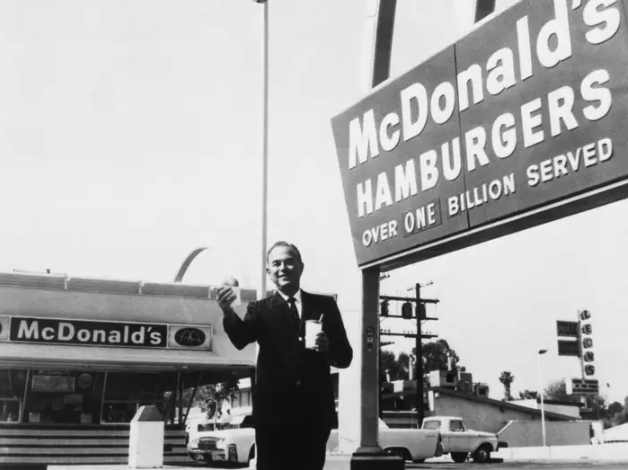
McDonald’s, which has been around since 1940, inspires nostalgia, and that feeling can translate into loyalty. The restaurant chain fosters brand loyalty and cheaper pricing through a rewards program called MyMcDonald’s Rewards, advertising campaigns that focus on relatable moments and delivering a consistent customer experience. McDonald’s is also well-known for offering promotions, some limited and some through MyMcDonald’s Rewards, and more recently through their McValue platform — which includes their $5 Meal Deal, Buy One, Add One for $1 and more.
Source: Yelp
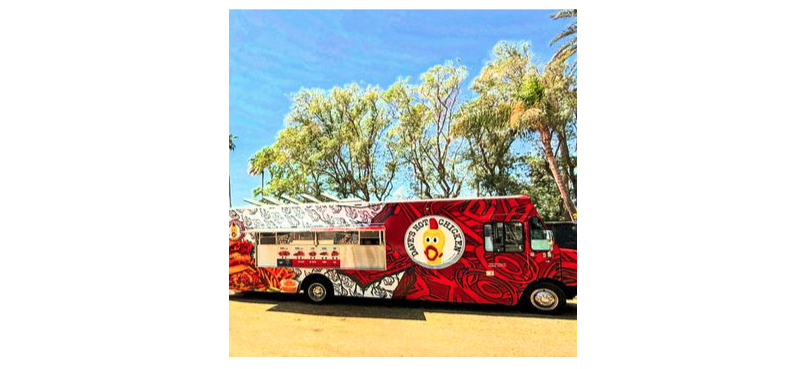
Dave’s Hot Chicken on the other hand was established in 2017, so parents and grandparents don’t have the same fond memories of visiting the restaurant as children. But, they do have a very strong social media presence and outstanding reputation. They’ve also invested in a loyalty program to encourage repeat visitors, although they don’t want to be seen as a “discounting brand,” taking on a very different positioning strategy.
“Our intention is not to start advertising value menus or anything of that nature, because we feel like the product is worthwhile and we’re willing to take a hit on traffic. There’s a balance to be struck.”
- Brandon Rhoten, CMO, Dave’s Hot Chicken in Restaurant Dive
Dave’s Hot Chicken has been a challenger brand, but it’s growing quickly. From its beginning as a parking lot pop-up in 2017, it was acquired by Roark Capital in 2025 for $1 billion. Continuing to focus on its strengths rather than seeking customers focused on price has been a solid marketing strategy that works for their brand.
Sometimes convenience rates as the top concern for consumers, but recently the trend has been toward convenience and health. CPG brands that embrace making their products easy and nutritious are going to be more successful. We’ve already discussed two challenger brands in just this post, Goodles and OLIPOP, who are both focused on bringing more nutritious versions of products customers love to market.
Better nutrition combined with convenience isn’t just for challengers, though. Big brands have an opportunity to meet this growing demand from consumers, too. Nestlé, for instance, is now focused on offering portion guidance, fortifying products where it fits and balancing recipes to support health.
Source: Lifeway Foods
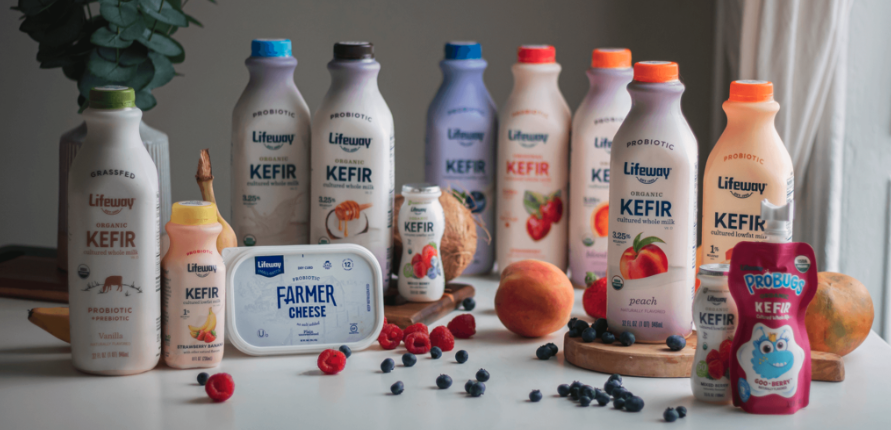
Lifeway Foods is a far smaller company than Nestlé, but shares the focus on delivering nutritious foods to consumers. Lifeway began by selling kefir along with other probiotic dairy products. It’s now the leading kefir brand in the US and saw sales increase by 151% from 2019 to 2025.
Economic uncertainty is the kind of problem that affects everyone, from multinational corporations to challengers to individual consumers. For all advertisers, being aware of how their audience feels and what they’re experiencing must be a top priority.
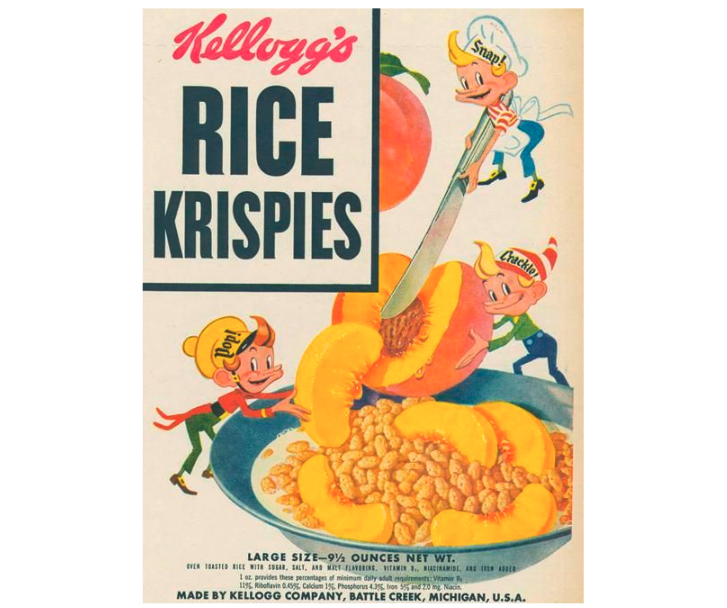
Historically, brands that increase marketing during times of economic instability tend to bounce back better when the economy improves. A famous example from the 1930s involves two cereal brands, Kellogg and Post. Kellogg was a successful company, but Post held the greater market share in the 1920s.
Cereal was considered a luxury item during the Great Depression, so both companies had to decide how to approach advertising when customers were being forced to spend less. Post cut back on advertising and Kellogg doubled down. Kellogg saw profits rise by as much as 30% by 1933, the bottom of the economic crater. Post recovered, but never regained dominance.
Source: Renaissance Marketer
Similar examples from each successive economic downturn can be cited. The bottom line is that brands, challenger or legacy, that have advertised more during uncertain times tend to be more successful than those that cut back.
Currently, another smart bet for big brands is to invest in technology that can turn data into economic growth. CPG brands that use AI to improve processes from product design to revenue management have the chance to improve efficiencies while also increasing their understanding of what consumers want and respond to.
For challenger brands, a detailed and accurate understanding of which media channels deliver the best results and continuing to build relationships with customers offers the opportunity to remain visible. Careful attention to messaging, accompanied by precise testing throughout the process, can keep challenger brands relevant.
The CPG sector will always face significant challenges that both established brands and challengers must overcome. Taking advantage of the opportunities and tools to connect with consumers is the surest path to success.
For challenger brands, that connection with the audience is especially important. Challengers may offer better nutrition, more convenience, improved sustainability or other advantages that won’t work or simply haven’t been done by legacy brands, but if these approaches don’t resonate with or reach consumers, it won’t matter.
Zappi’s connected insights platform helps brands of all sizes know which campaign ideas and product concepts appeal most to consumers, what messaging lands best, which graphics are most memorable and how people respond to their brand over time.
Stay up to date with our latest insights, tips, and industry news.