Learn how McDonald's has partnered with Zappi to build its test-and-learn approach to innovation, rather than a "test to earn a good score" approach.
Learn how McDonald's has partnered with Zappi to build its test-and-learn approach to innovation, rather than a "test to earn a good score" approach.
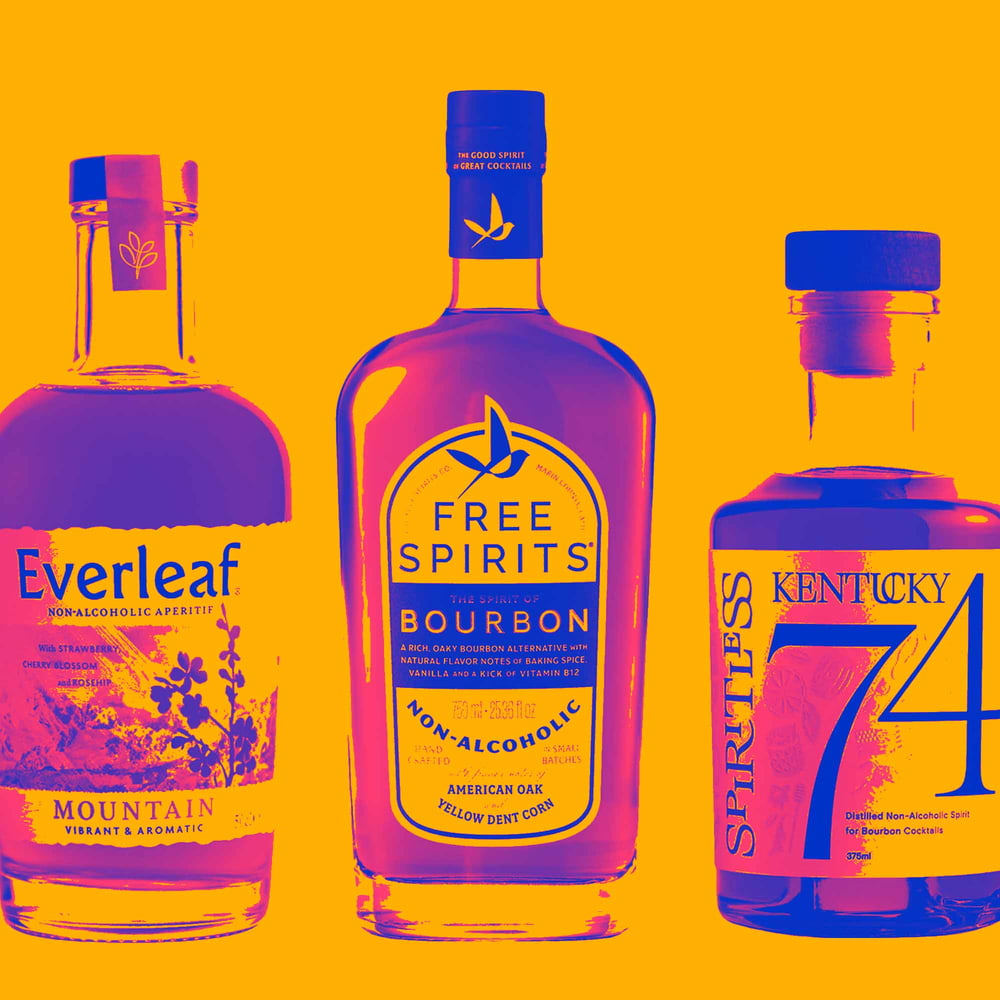
As more and more consumers rethink their relationships with alcohol, zero-proof spirits are stepping in to fill a gap traditional soft drinks can’t. Options like non-alcoholic bourbon, tequila, gin and botanical aperitifs designed for spritzes and mocktails offer the flavor and sophistication of classic spirits — just without the actual alcohol.
As the category expands, understanding what consumers actually value in non-alcoholic spirits is increasingly important. In this article, we explore what people think about non-alcoholic spirits and which products appeal to them the most. Let’s dive in!
The non-alcoholic spirits category is growing — but still early in adoption: Most consumers are aware of and have tried non-alcoholic spirits, but regular consumption remains limited. Only a small percentage drink them regularly (11%), signaling that the category certainly isn’t at mainstream adoption yet.
There are some key barriers to repeat purchase: While some consumers praise the category’s flavor authenticity, skepticism remains high. Many feel non-alcoholic spirits lack the taste of traditional spirits. Others are turned off by the high price point. And many don’t see non-alcoholic beverages that mimic the taste of alcohol to be something they’re interested in at all, asking “what’s the point”?
Price must be justified beyond “zero proof”: Premium pricing creates friction, unless consumers clearly understand why the product is worth it. Functional benefits, clean-label credentials and defined use cases can help justify cost and shift the comparison from alcohol content alone.
Packaging is a critical driver of trust and trial: In a low-familiarity category, visual identity is critically important. Consumers don’t yet know the brands in the category well so they make decisions based on what the packaging says to them. Vibrant liquid color, premium bottle design and clear cues to the spirit alternative being offered all help consumers quickly assess quality.
The strongest brands balance familiarity AND differentiation: Top performers in this category succeed by anchoring to known spirits while still offering something distinctive — whether that’s through flavor profiles, functionality or design. Familiarity helps consumers quickly understand what they’re getting and differentiation piques their interest.
Now let’s get into the details!
How popular are non-alcoholic spirits and what do people think about them?
While the majority of respondents have tried a non-alcoholic spirit at least once, only 11% are regular drinkers of non-alcoholic spirits and nearly a quarter (24%) are occasional drinkers, while 27% say they’ve tried non-alcoholic spirits once or twice.
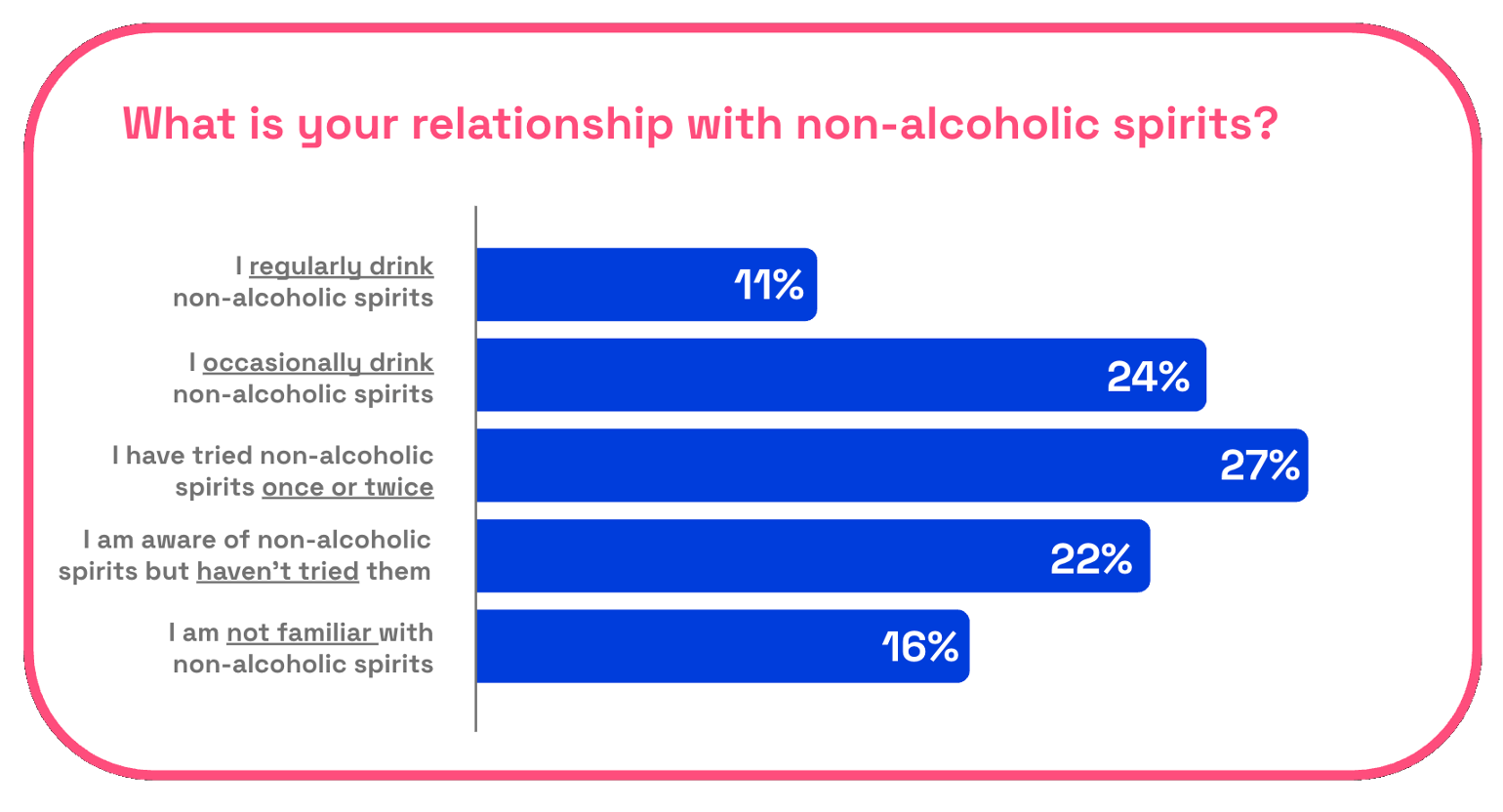
Clearly, this category is not at mainstream option level yet.
Next let’s explore what people like and don’t like about non-alcoholic spirits
The strongest positive theme about the category we see among respondents is that non-alcoholic spirits serve an important role for people who don’t or can’t drink alcohol — including those in recovery, people who are pregnant, designated drivers, health-conscious consumers or anyone trying to cut back.
Many respondents describe them as:
A way to have the experience of an alcoholic beverage when you don’t want to or can’t drink alcohol
Helpful for avoiding hangovers or loss of control
A tool for moderation, allowing people to alternate between alcoholic and non-alcoholic drinks
Non-alcoholic spirits are often praised for making social situations more inclusive, especially at parties, bars, brunches, work events or gatherings where not everyone wants to drink.
Respondents value that they look and feel like a “real” drink, they help people avoid questions or pressure and allow people to participate without standing out.
Another strong positive association is the better-for-you positioning, like how non-alcoholic spirits often offer fewer calories or sugar, and cutting back on alcohol in general is better for overall health.
Even some people who don’t personally consume non-alcoholic spirits still view them as health-forward and responsible.
The most common negative reaction is a fundamental rejection of the idea. Many people believe drinking alcohol is about the effect — and if they don’t want alcohol, they’d rather drink water, soda, etc.
This group often says “either you drink alcohol or you don’t.” They feel non-alcoholic spirits don’t solve a real problem for them personally.
Additionally, many respondents say they just prefer alcohol and see no reason to switch to a non-alcoholic version of a spirit. Even some who acknowledge the benefits say they wouldn’t personally buy them, seeing non-alcoholic spirits as only relevant for a small, specific audience — and not something they expect to become mainstream.
While some praise the taste, many others feel non-alcoholic spirits don’t fully deliver, describing them as not as flavorful or satisfying, too sweet or “juice-like” or just lacking the “hit” of real spirits.
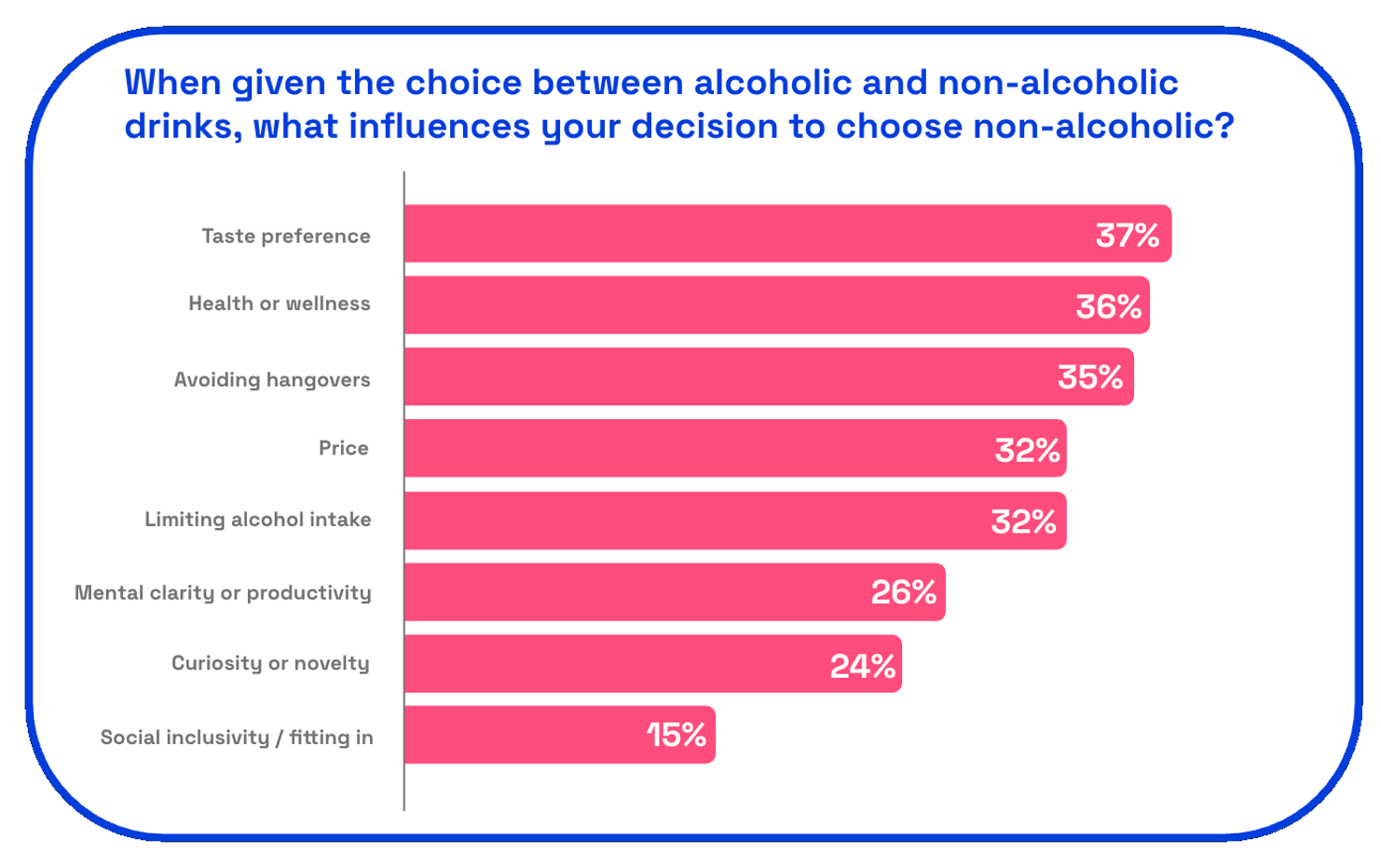
Taste preference is also cited as the top factor that influences consumers’ decisions to choose an alcoholic or non-alcoholic beverage — reminding us that even when there are compelling reasons for consumers to want to engage with a category, they still don’t want to drink something they don’t like!
Another frequent complaint is price. Some respondents struggle to justify paying premium prices for a drink without alcohol, especially when cheaper alternatives exist.
They feel that a non-alcoholic spirit should naturally cost less than an alcoholic one, and feel confused and annoyed if the price difference is only minimal.
Now let’s take a look at some of the top non-alcoholic spirits. We selected a variety of brands and types across bourbons, tequilas, gins, aperitifs, etc. to help us get a good understanding of the category.
We selected these 12 options:
Free Spirits The Spirit of Bourbon
Spiritless Kentucky 74
BARE Zero Proof Modern Classic Gin
Ritual Zero Proof Gin Alternative
Lyre’s Tequila Alternative
Monday Mezcal
Seedlip Notas de Agave
Pentire Seaward
Aplós Arise
Everleaf Mountain
Three Spirit Social
Ghia Berry Aperitif
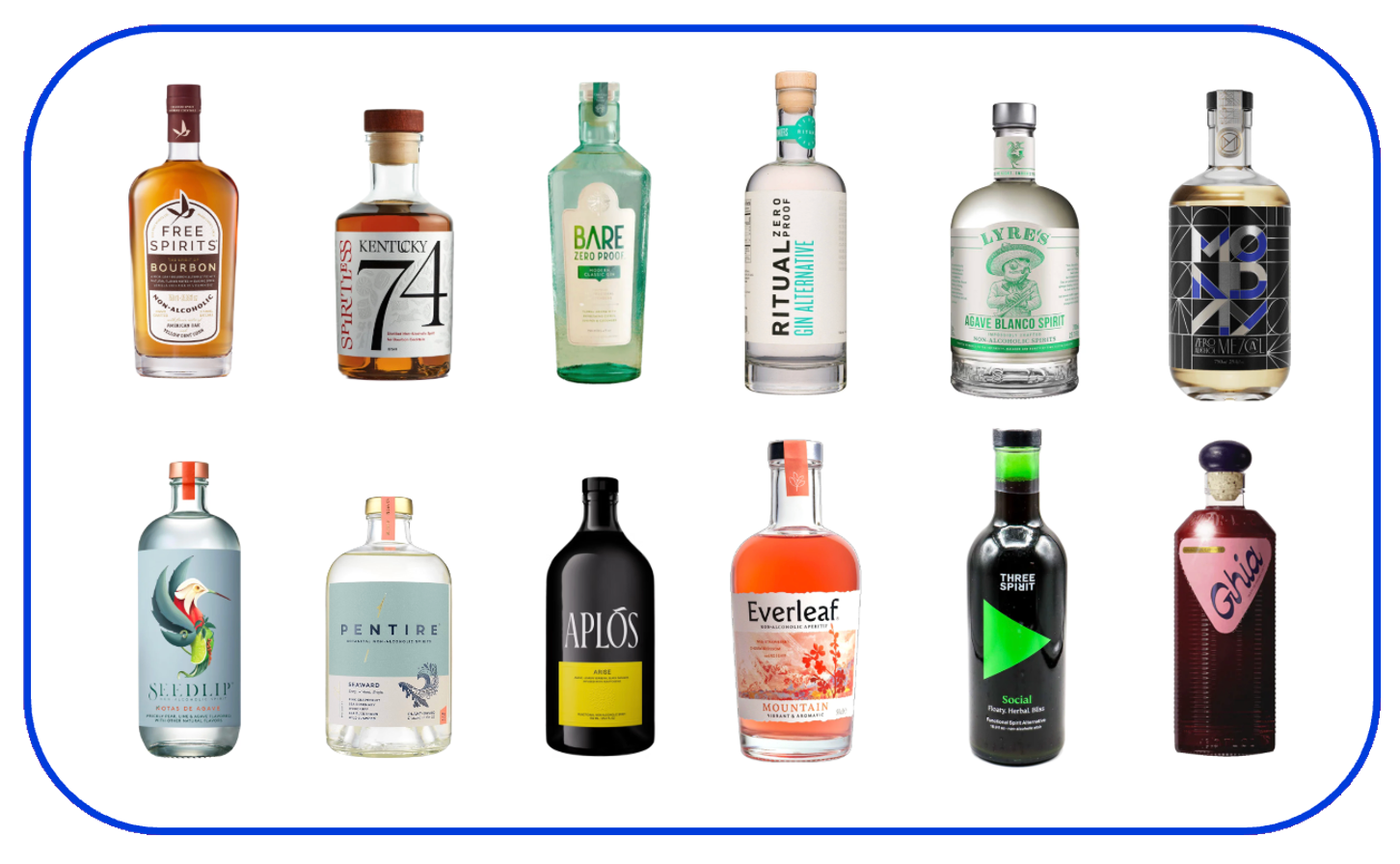
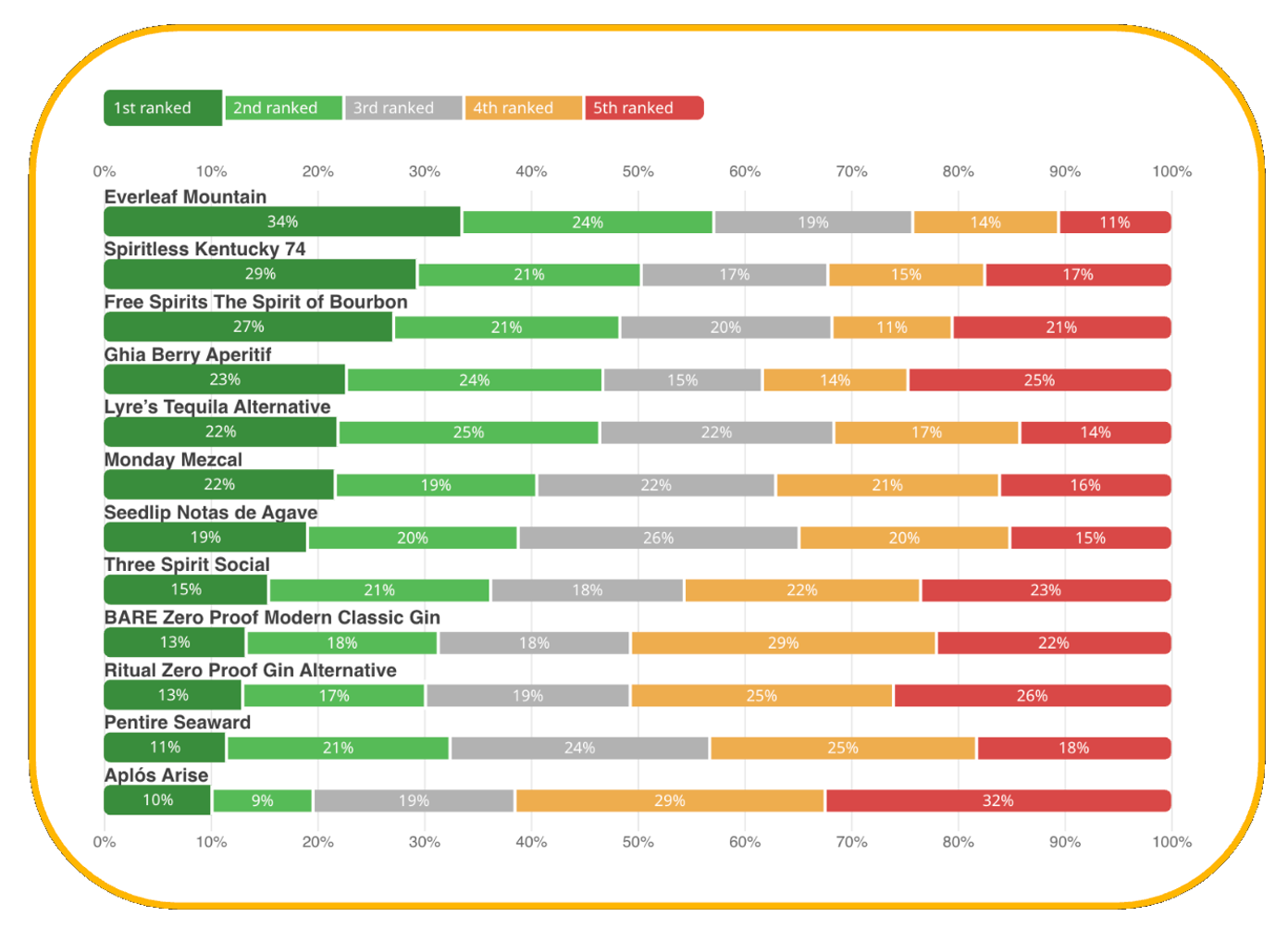
In our ScreenIt solution we asked respondents to rank the non-alcoholic spirits according to which they would be most likely to purchase.
Everleaf Mountain — what the brand describes as “a vibrant and aromatic aperitif with a bitter sweetness” — emerged as the clear favorite, securing the most first-choice votes (34%). Two bourbon alternatives rounded out the top three, Spiritless Kentucky 74 in second place (29%) and Free Spirit’s The Spirit of Bourbon in third (27%).
Ghia Berry Aperitif (23%) and Lyre’s Tequila Alternative (22%) comprise the top five.
Digging a little deeper, let’s take a look at the attributes most associated with the brands. These are the products that scored highest across key category attributes:
Most unique: Everleaf Mountain (35.4%)
Runner up: Pentire Seaward (34.5%)
Most refreshing: Everleaf Mountain & Seedlip Notas de Agave (33%)
Most authentic: Free Spirits The Spirit of Bourbon (33%)
Runner up: Monday Mezcal (28%)
Top quality: Spiritless Kentucky 74 (30.1%)
Runner up: Free Spirits The Spirit of Bourbon (29.8%)
Most innovative: Lyre’s Tequila Alternative (30%)
Runner up: Seedlip Notas de Agave (29%)
Most simple: Ritual Zero Proof Gin Alternative (27%)
Runner up: Free Spirits The Spirit of Bourbon (25%)
Most relaxing: Everleaf Mountain (24%)
Runner up: Spiritless Kentucky 74 (23%)
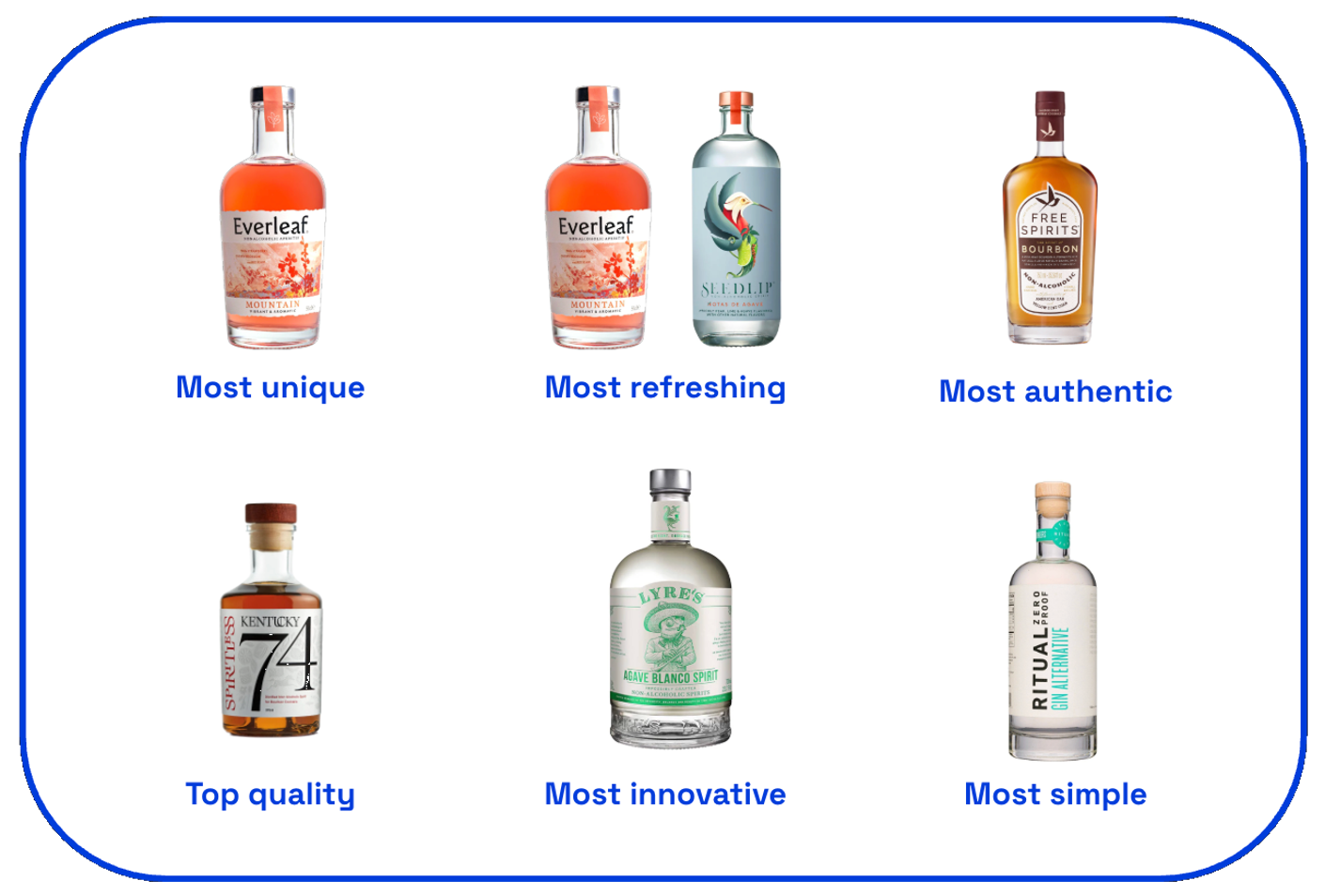
Overall winner Everleaf Mountain took first place in several of these categories, including “most unique,” “most relaxing” and “most refreshing” (although it tied with Seedlip there). With its vibrant pink color that clearly differentiates it from the rest of the options, it’s no wonder it stands out and looks refreshing.
The bourbon alternatives also did well in the category awards. Spiritless took first for “top quality” (just look at its premium packaging!) and Free Spirits won for “most authentic” (it definitely looks like a real bourbon).
Lyre’s Tequila Alternative took home first place in “most innovative” (the character on the packaging is interesting and definitely stands out).
And finally Ritual’s Gin Alternative won for “most simple.” One look at the clean visuals on the packaging explains that one!
Consumers are less familiar with this category overall, so packaging cues are a huge part of these brand’s success in these categories. More on packaging in the next section!
We asked consumers to assess each non-alcoholic spirit on the key drivers of product success:
Advantage: How much better each of the products is to other products already available
Distinctiveness: How different each of the products are from other products already available
Relevance: How relevant each of the products is to the respondents
Believability: How believable the claims of each product are to the respondents
Everleaf Mountain stands out again here as the clear leader, scoring significantly above average on all KPIs, highlighting its appeal and well-rounded strength across all dimensions.
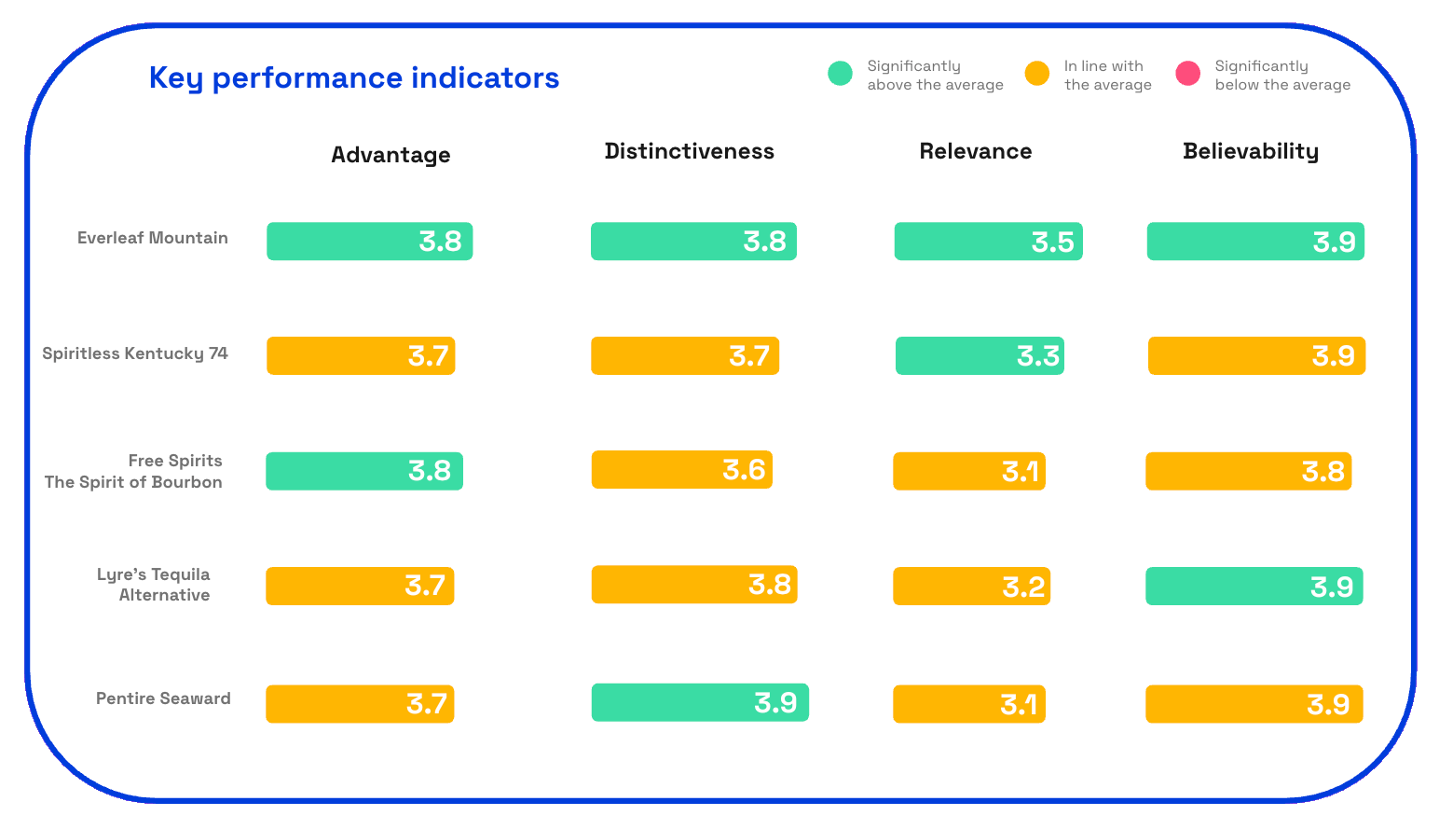
None of the other non-alcoholic spirits match Everleaf Mountain across KPIs, but a few have their own strengths. Spiritless Kentucky 75 is seen as very relevant, while Free Spirits’ The Spirit of Bourbon has advantage. Lyre’s Tequila Alternative is believable and Pentire Seaward is distinctive.
What puts the top products at the top?
Packaging matters enormously in this category. The highest-rated spirits consistently stand out for their vibrant or rich liquid color, premium bottle shape and their distinctive labels, fonts and logos.
This is where the leader of the pack, Everleaf Mountain, really shines. Respondents repeatedly mentioned the vibrant pink color and beautiful bottle design, describing it as fresh and “delicious-looking.” The overall design feels premium and appealing.
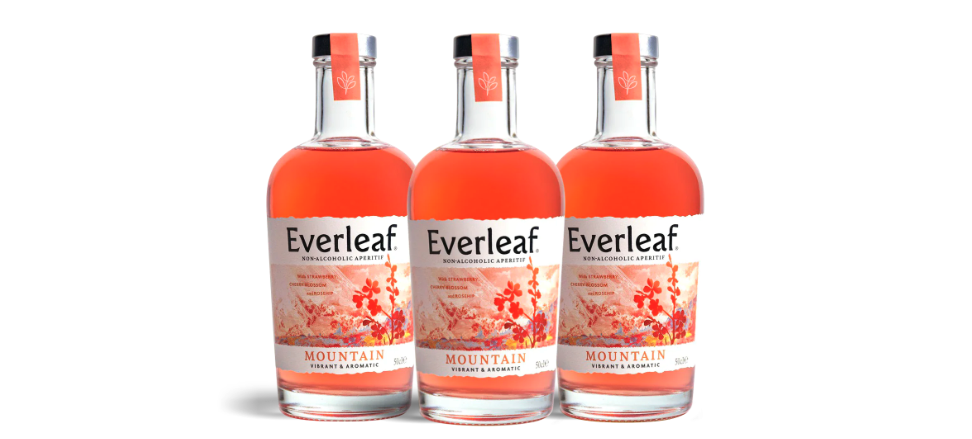
People often assume the product will taste good because it looks good. Visuals act as a shortcut for flavor quality and sophistication, especially in a category where many consumers haven’t tasted the product yet and don’t recognize the brands.
Rather than reinventing drinking, the most successful products in this category anchor themselves to a known experience — bourbon that feels like bourbon, tequila made for margaritas or aperitifs designed for spritzes and brunch.
Consumers like that these products fit into occasions they’re familiar with.
This is where the bourbon alternatives (Spiritless and Free Spirits) and Lyre’s Tequila Alternative really stand out. People know exactly what they’re supposed to be used for by their names, but their visual identity sells the products as true replacements for bourbon and tequila.
Products that offer something extra stand out more, including:
Functional benefits (vitamins, hydration, low calories)
Clean-label credentials (vegan, gluten-free, low sugar)
Clear use cases (mocktails, cocktails, spritzes)
These features help justify price and give consumers a reason to choose the product even when alcohol isn’t the comparison point.
What an interesting emerging category! Have you ever tried a non-alcoholic spirit? What do you think of them?
Let us know by interacting with our coverage on LinkedIn.
And to make sure you never miss one of our Innovation Spotlights, subscribe to our LinkedIn newsletter.
Stay up to date with our latest insights, tips, and industry news.