
Learn how McDonald's has partnered with Zappi to build its test-and-learn approach to innovation, rather than a "test to earn a good score" approach.
New CPG categories rarely begin with a single breakthrough product. They emerge when consumers start thinking about familiar products differently.
When that shift happens, brands begin designing new products around different expectations. Consider THC beverages. Grocery and specialty retailers from South Carolina to California now feature separate refrigerated sections for hemp-derived THC drinks.
A decade ago, these products barely existed outside dispensaries. But after the legalization of hemp-derived cannabinoids, a new beverage segment began expanding rapidly into conventional retail. According to Brightfield Group, hemp-derived THC beverages generated about $2.8 billion in sales in 2023, with continued growth expected as distribution expands.
Legalization didn’t just introduce a new product. It changed how consumers think about relaxation, social drinking and mood support. That shift in expectations created space for an entirely new beverage category.
The same pattern is unfolding across food and beverage.
In this article, I’ll share how consumer expectations are evolving and how new product platforms and CPG categories are emerging in 2026.
Below is an expanded list of emerging or strengthening categories. I’ll share how it started and what changed in consumer expectations as well as market signals when available.
Wellness and functional foods represent one of the biggest shifts in how consumers evaluate food and beverage products. For decades, shoppers bought food for taste, indulgence or convenience. Now, many consumers expect products to deliver a specific health outcome.
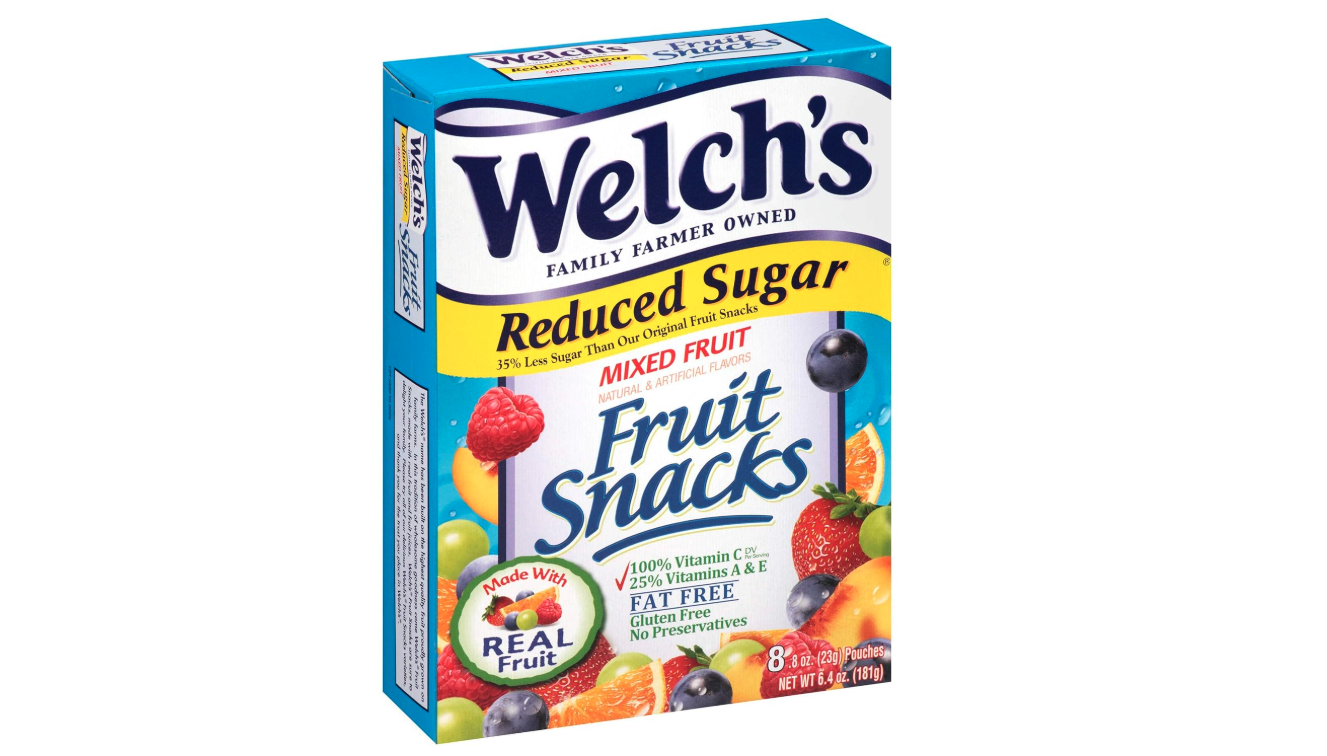
Source: Amazon
“Better-for-you” products gradually evolved into benefit-specific nutrition across the store. Early functional foods in CPG innovation focused on claims like reduced sugar or added vitamins. Today products promote reduced stress, enhanced protein and improved digestion.
What changed
Functional support gradually moved from a niche preference to a default expectation. Now, consumers increasingly look for foods that support digestion, hydration, energy and overall well-being.
According to the Innova Top 10 Trends 2026, digestive health and protein remain among the most influential drivers of food and beverage innovation globally.
Online discussions reflect this shift. This Reddit thread demonstrates a conversational shift, with people discussing how much protein to consume rather than whether functional nutrition matters.
As expectations change, new product platforms are spreading across beverages, snacks and pantry staples.
Beverages are the most visible expression of the broader wellness shift.
Consumers increasingly treat drinks as delivery systems for specific outcomes such as hydration, energy, gut health or sleep support.
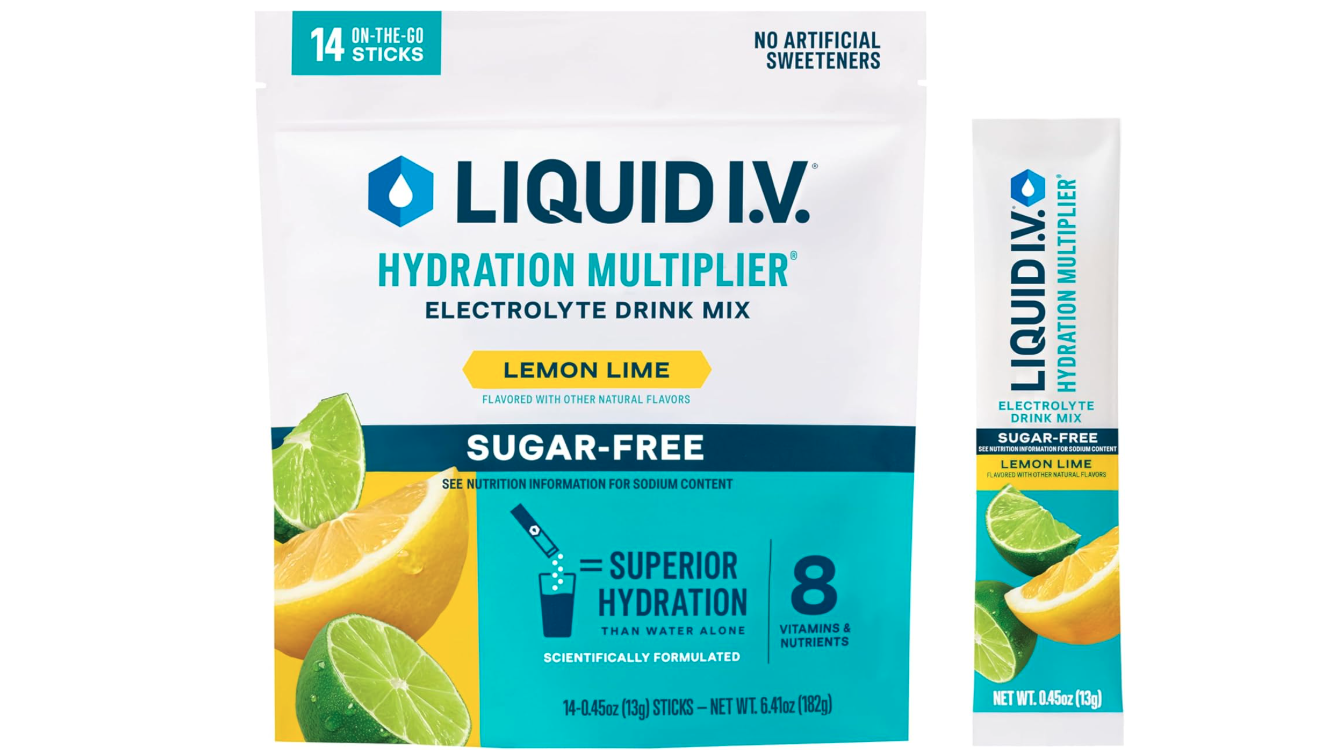
Source: Amazon
How it started
Energy and sports drinks proved consumers would buy beverages designed for performance outcomes.
What changed
Today’s consumers evaluate beverages as tools for targeted benefits rather than simple refreshment. Beverage aisles are packed with functional beverages that promise hydration optimization, digestive support, focus or recovery.
Electrolyte mixes like Liquid I.V., for instance, are marketed as daily hydration rather than sports recovery.
Market value: Grand View Research reports the functional beverages market was valued at ~$165B (2023) and is projected to exceed $300B by the early 2030s.
Gut health escaped the supplement aisle and into everyday foods. Yogurts, sodas and snack bars now advertise digestive benefits directly on the front of the package.
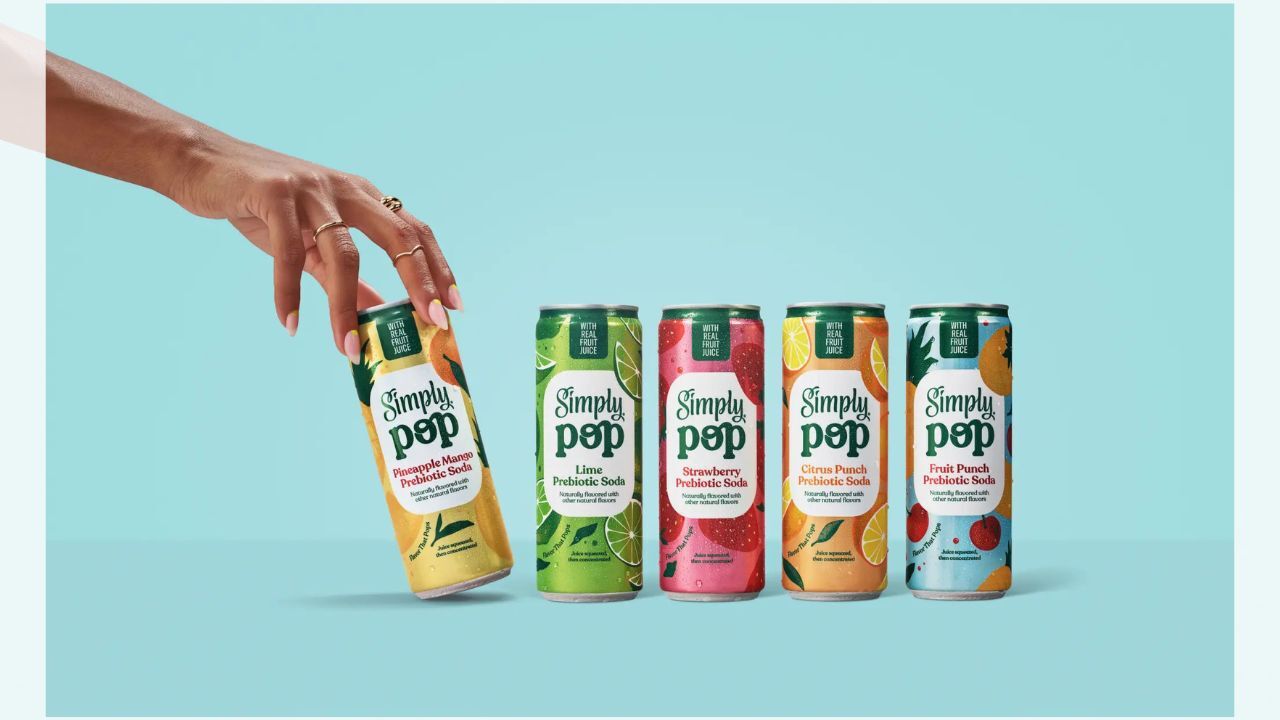
Source: Fox Business
How it started
For years, gut health lived mostly in capsules and probiotic supplements. Those products introduced the idea that digestive bacteria could influence overall health.
What changed
Consumers increasingly view gut health as a foundation for whole-body wellness, affecting immunity, energy and mental well-being. That shift opened the door for food and beverage brands to build entire products around digestive benefits. Prebiotic sodas, kombucha drinks and probiotic yogurts now position gut support as part of everyday nutrition.
Market value: Grand View Research estimated $443.2M in 2023 and projected $766.1M by 2030.
Protein has moved beyond the sports nutrition aisle and into everyday packaged foods across the grocery store. Today, protein claims appear on cereal boxes, yogurt cups and even pasta packaging.
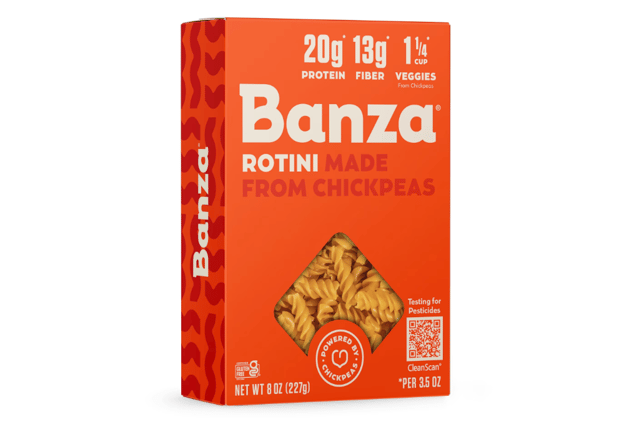
Source: Walmart
How it started
Protein powders and bars were originally positioned for athletes and fitness enthusiasts. Gym retail and nutrition aisles were packed with protein powders and other performance snacks.
What changed Protein now signals sustained energy, satiety and balanced nutrition rather than athletic performance alone.
Consumers look for protein in snacks, cereals, dairy products and prepared foods. As interest in high-protein diets and blood sugar stability has grown, packaged food brands have begun reformulating products and highlighting protein content on the front of the label.
Market value: Fortune Business Insights reports protein snacks are estimated at $54.86B in 2025, projected to be $120.43B by 2034.
In the past, hydration was framed as a sports interest. Now, it’s seen as a daily performance habit that supports energy, focus and overall well-being.
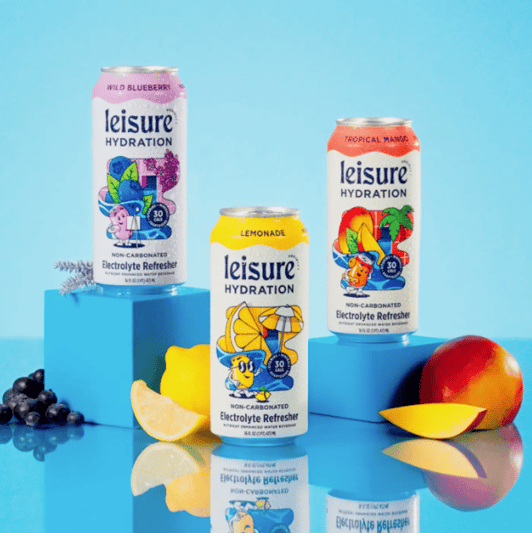
Source: Leisure Hydration
How it started
Sports hydration products were originally designed to support endurance athletes during long workouts. Electrolytes were marketed primarily to runners, cyclists and other athletes who lost fluids during exercise.
What changed Consumers now connect hydration to a boost in energy, cognitive performance and daily well-being.
Market value: Hydration matters. The electrolyte drinks market is estimated at $38.3B in 2024 and projected to be at $66.6B by 2034.
Alcohol alternatives are redefining social rituals and reports that fewer people are drinking alcohol offer new opportunities.
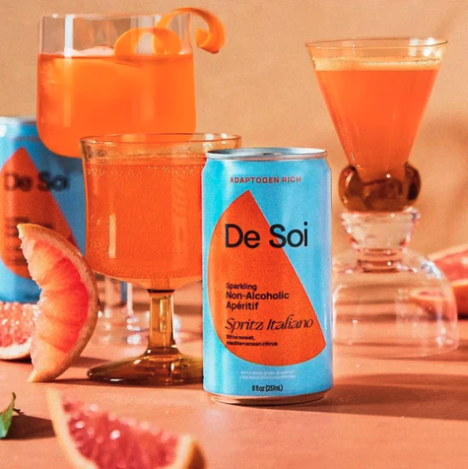
Source: De Soi
How it started
Early non-alcoholic beers provided basic substitutes for traditional alcohol. As the popularity for non-alcoholic options grew, more options became available.
What changed Improved taste and brand storytelling have turned alcohol-free beverages into legitimate lifestyle choices rather than compromise products.
Brands such as Athletic Brewing and Seedlip have helped normalize alcohol-free drinking occasions, offering products designed specifically for social rituals rather than simple substitutes.
Market value: IWSR forecasts the total US no-alcohol market will be worth close to $5B by 2028.
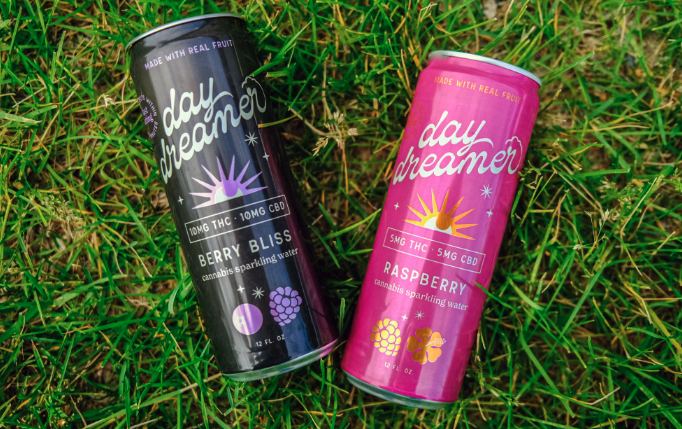
THC beverages are among the newest beverage categories to enter mainstream retail. As Hemp legalization swept the country, low-dose intoxicating drinks went mainstream.
Source: Bloomberg
What changed
The legalization of THC meant consumers had a new option. These beverages fit the trend of using them as a tool for relaxation and mood support.
Market value: Brightfield tracks the hemp-derived THC market, projecting $2.8B in 2023, and $3.5B by 2028.
This category is regulated, which will strongly influence its evolution.
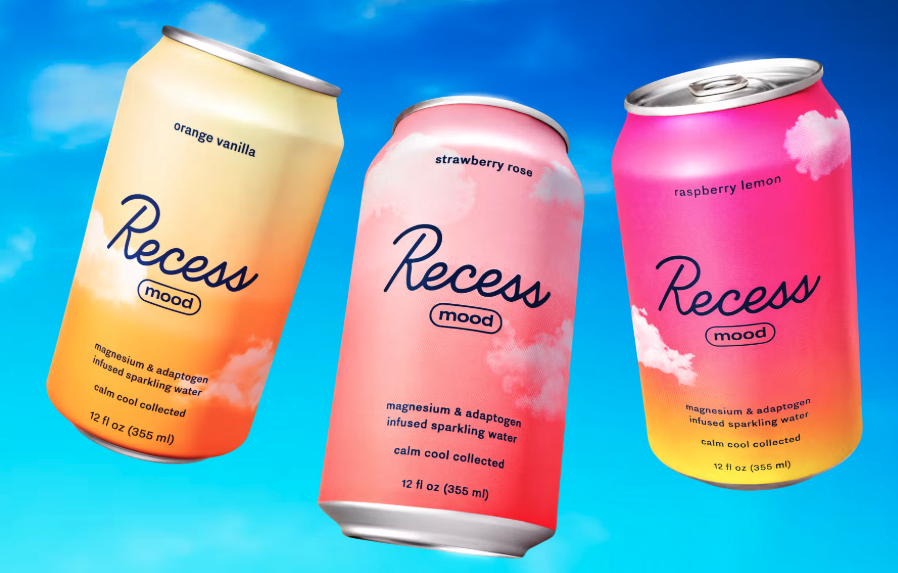
Mental wellness has become a growing focus within functional food and beverage innovation.
Source: Recess
How it started
Adaptogens and nootropics initially gained popularity in supplements and wellness communities. Ingredients such as ashwagandha, L-theanine, ginseng and mushrooms like lion’s mane were marketed for their potential to support focus, stress management and mental clarity. What changed
Now such ingredients associated with focus, calm and cognitive performance are appearing in coffee alternatives and sparkling drinks. Market value: Adaptogenic drinks reached $1.56B in 2023 and are projected to reach $2.70B by 2030.
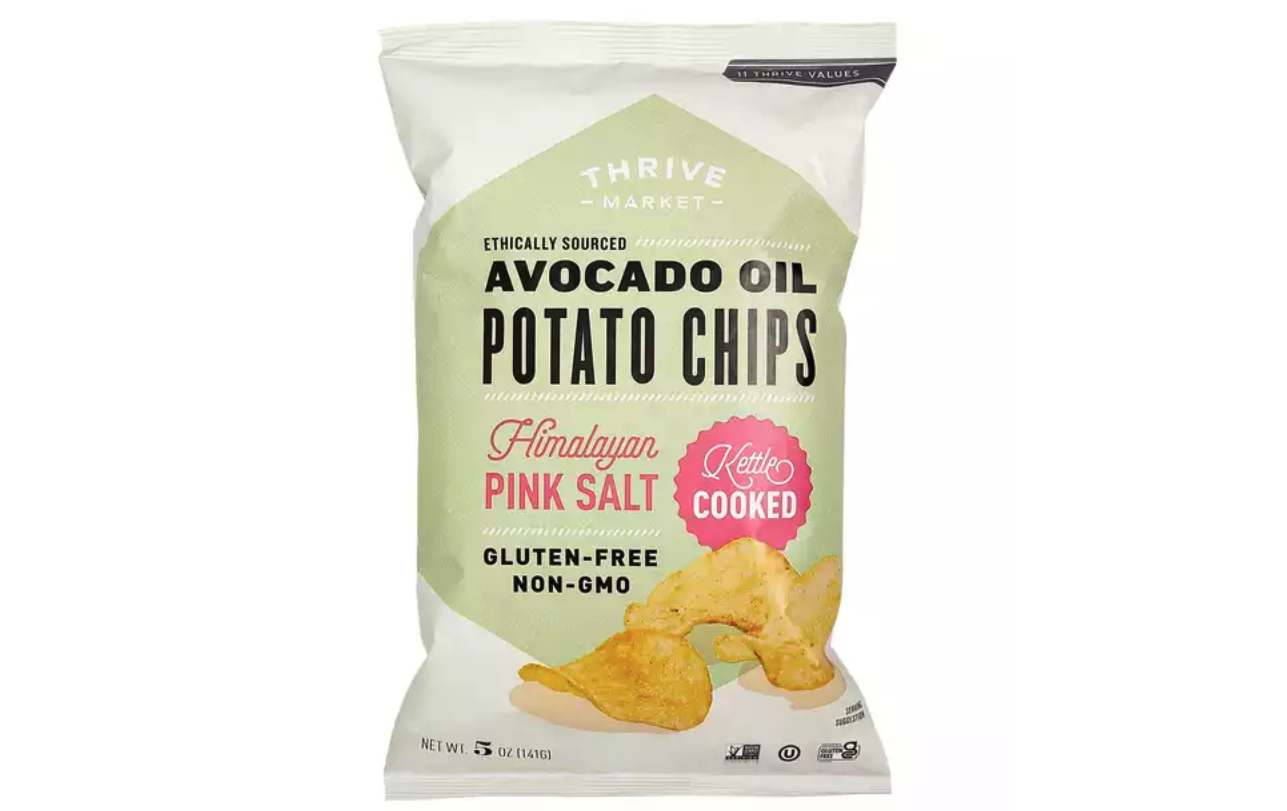
Ingredient transparency has become a key factor shaping consumer trust in packaged foods.
Source: Snobbish Media
How it started
Health-conscious consumers began scrutinizing ingredient lists and additives. They wanted to be able to recognize and pronounce the ingredients instead of facing a list of processed chemicals. What changed
Consumers treat “what’s in it” as a value filter and a trust signal, not just a health signal. Many brands now emphasize shorter ingredient lists and recognizable ingredients. Products marketed as clean label often remove artificial colors, preservatives or high-fructose corn syrup and highlight simple formulations like oats, nuts, fruit and natural sweeteners.
Brands like Simple Mills build products around a simple ingredients list. Market value: Clean-label ingredients reached an estimated $48.5B in 2023, and are projected to reach $74.0B by 2030.
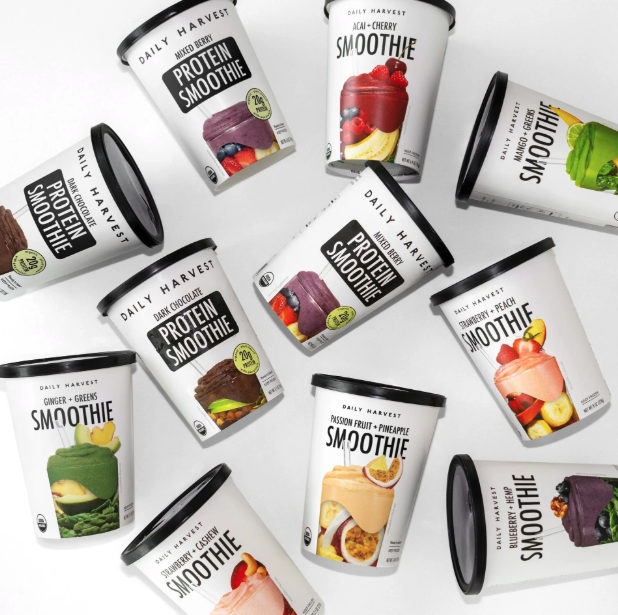
Medical appetite-suppression medications may reshape consumers' perceptions of portion size and nutrition.
Source: Daily Harvest
How it started
GLP-1 medications designed for diabetes and weight management gained widespread adoption.
What changed
Consumers using these medications often prioritize nutrient density and protein intake over portion size, potentially creating demand for foods designed around smaller, more nutrient-dense servings.
This category remains early-stage but could grow significantly if medication adoption continues.
Across these categories, a clear pattern appears.
Consumers increasingly expect food and beverage products to help them achieve outcomes such as supporting health goals, boosting daily energy, promoting mental balance or participating in social rituals.
In 2026, categories are being defined less by flavor novelty and more by measurable benefit, ingredient transparency and lifestyle alignment.
That shift is what separates a passing trend from a defensible category.
Not every product trend represents a new brand category.
Some trends influence flavor development, product launches and social media buzz, but don’t change how consumers evaluate entire store aisles.
Here are two popular flavor profiles gaining popularity:
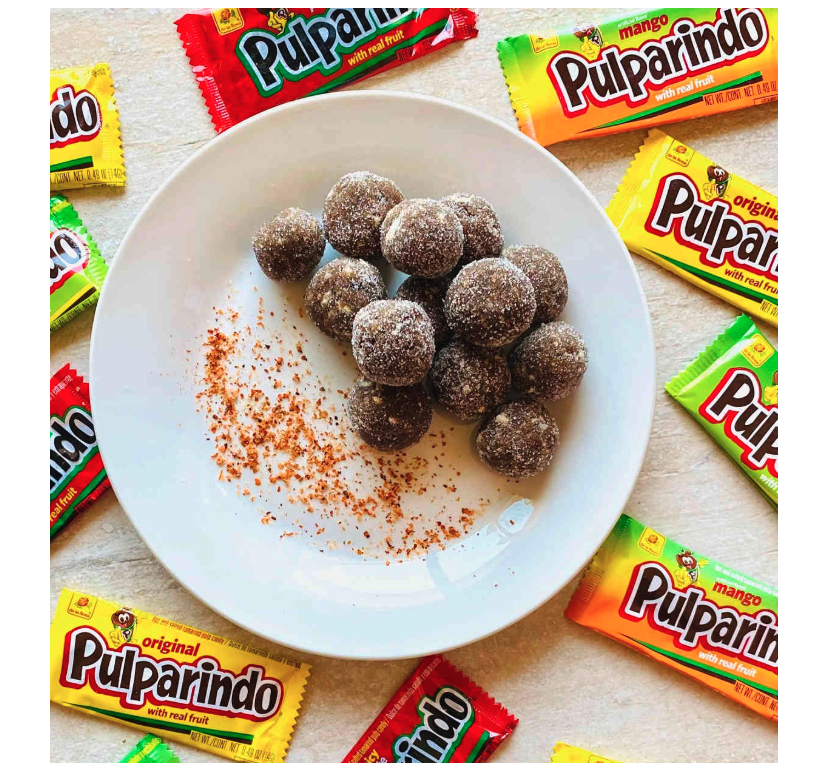
“Swangy” describes the tasty combination of sweet and tangy flavors. This flavor profile draws heavily from traditional cuisines, particularly Mexican and Southeast Asian foods, where sour, sweet and spicy elements are layered together.
Source: Aubrey’s Kitchen
Some examples include tamarind candy, mango with chili and sweet chili sauces. Products like Pulparindo combine tamarind, sugar and chili to create a tangy-sweet profile that has long been popular in Mexico. Seasonings from Tajín have also helped introduce chili-lime flavor combinations to a wider US audience, appearing on fruit snacks, candies and restaurant menus.
Even mainstream snack brands are leaning into the trend. Doritos introduced Tamarind Tang Doritos, a sign that sweet-tangy flavor combinations are moving into the center of the snack aisle.
Industry data supports this shift. According to Innova Market Insights, chili-lime-flavored snack launches grew by roughly 27% globally between 2018 and 2022, highlighting rising interest in globally inspired sweet-tangy flavor combinations.
What changed
Global cuisine trends and social media have helped push these flavors into the US market. Many consumers now prefer layered flavors that balance sour, sweet and spicy notes.
However, this is primarily a formulation and taste trend, not a category shift. Consumers are still buying the same types of products — chips, candy, sauces and snacks — but brands are updating the flavor profiles within those categories.
In other words, swangy flavors change what products taste like, not why consumers buy them.
“Swavory” is not a typo. The term describes a sweet-and-savory (umami-forward) flavor fusion.
Think Korean fried chicken or Sweet Thai Chili sauces. These are dishes in which sugar, salt and umami-rich ingredients combine to create a layered flavor experience.
Sweet and savory pairings are long-standing in global cuisine — from honey-glazed meats to teriyaki and fruit-and-cheese combinations. What’s newer is the deliberate use of umami ingredients such as miso, soy sauce and mushroom extracts in sweet foods and desserts.
Consumer attitudes toward umami have also shifted. The Ajinomoto Group notes improving acceptance of MSG as understanding of umami improves. At the same time, Grand View Research reports that the global umami flavors market is expected to reach USD 7.30 billion by 2030.
Source: Ben & Jerry’s
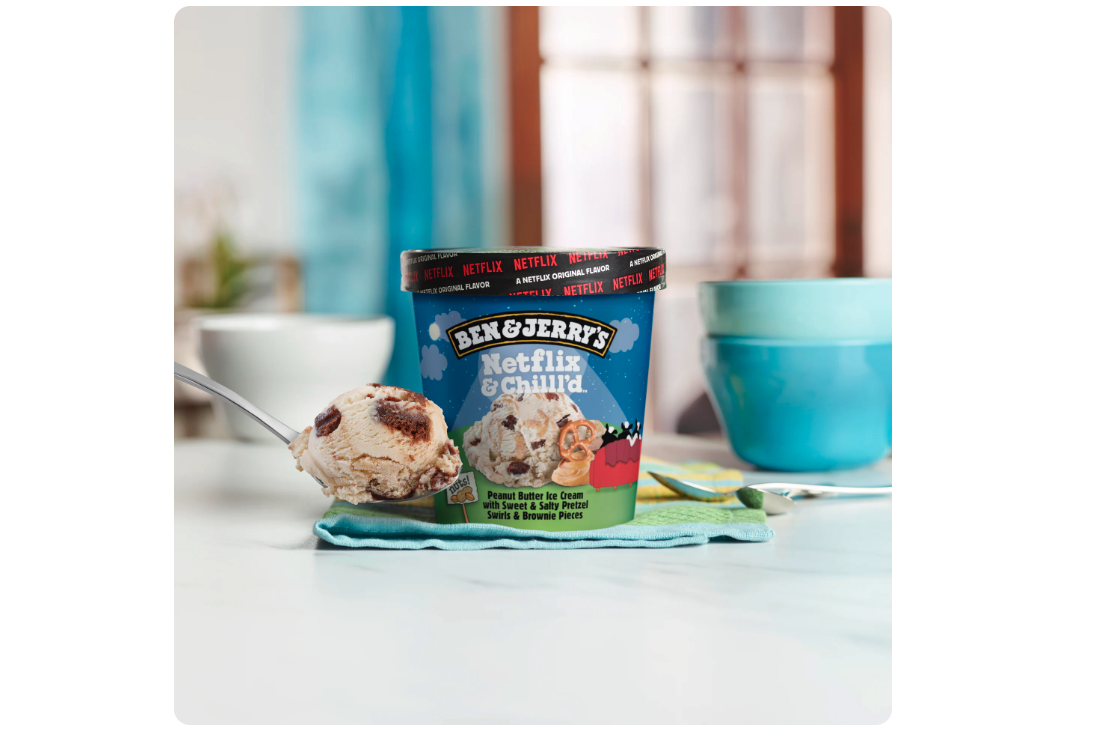
CPG brands are experimenting with these sweet-savory combinations. Ben & Jerry's introduced flavors like Netflix & Chill’d, which combines sweet ice cream with salty pretzels and brownie pieces — a classic sweet–savory pairing that reflects the broader swavory flavor trend.
What changed
Consumers increasingly seek contrast-driven indulgence, where sweetness is balanced by saltiness or umami depth. Chefs and product developers are experimenting with combinations like miso caramel, soy-based dessert sauces and savory snack coatings.
Still, swavory remains primarily a sensory trend rather than a structural category. It influences flavor innovation across sauces, snacks and bakery, but it doesn’t yet change how consumers evaluate entire product aisles.
Across many new CPG categories, the same shift keeps appearing.
Food and beverage products are increasingly designed around outcomes such as better digestion, sustained energy or daily hydration.
That change is driving growth in wellness and functional innovation including:
Functional beverages
Gut health foods
High-protein packaged products
Hydration platforms
Alcohol alternatives
At the same time, flavor experimentation, such as swangy and swavory combinations, is influencing product innovation without necessarily creating entirely new categories.
For brands, the key challenge is distinguishing between trends and durable category shifts.
The brands that succeed will identify where consumer expectations are permanently changing and build products that deliver clear outcomes.
Stay up to date with our latest insights, tips, and industry news.