
Learn how McDonald's has partnered with Zappi to build its test-and-learn approach to innovation, rather than a "test to earn a good score" approach.
Organizations generate more insights today than ever before, but a lot of these insights still live in disconnected systems.
Advertising performance data sits in one place, innovation testing in another and brand tracking in yet another. Each produces valuable signals, but they often operate in parallel rather than in coordination.
This creates a fragmented view of performance. Teams optimize within their own lanes, but lack a shared understanding of what’s actually driving growth across the business.
This is where integrated insight systems come in.
Rather than adding more data to the mix, they focus on connecting what already exists, transforming fragmented research into a cohesive, connected decision-making engine.
In this article, I’ll cover what integrated insight systems involve, dive deeper into the risks of keeping your data in silos, some practical applications and how to get started.
Dive into the current state of the insights function. Bridge the gaps between consumer research and business action. Uncover the implications for business leaders, marketing leaders and insights professionals.
To understand the value of integrating your insights, it’s important to first define what it actually means.
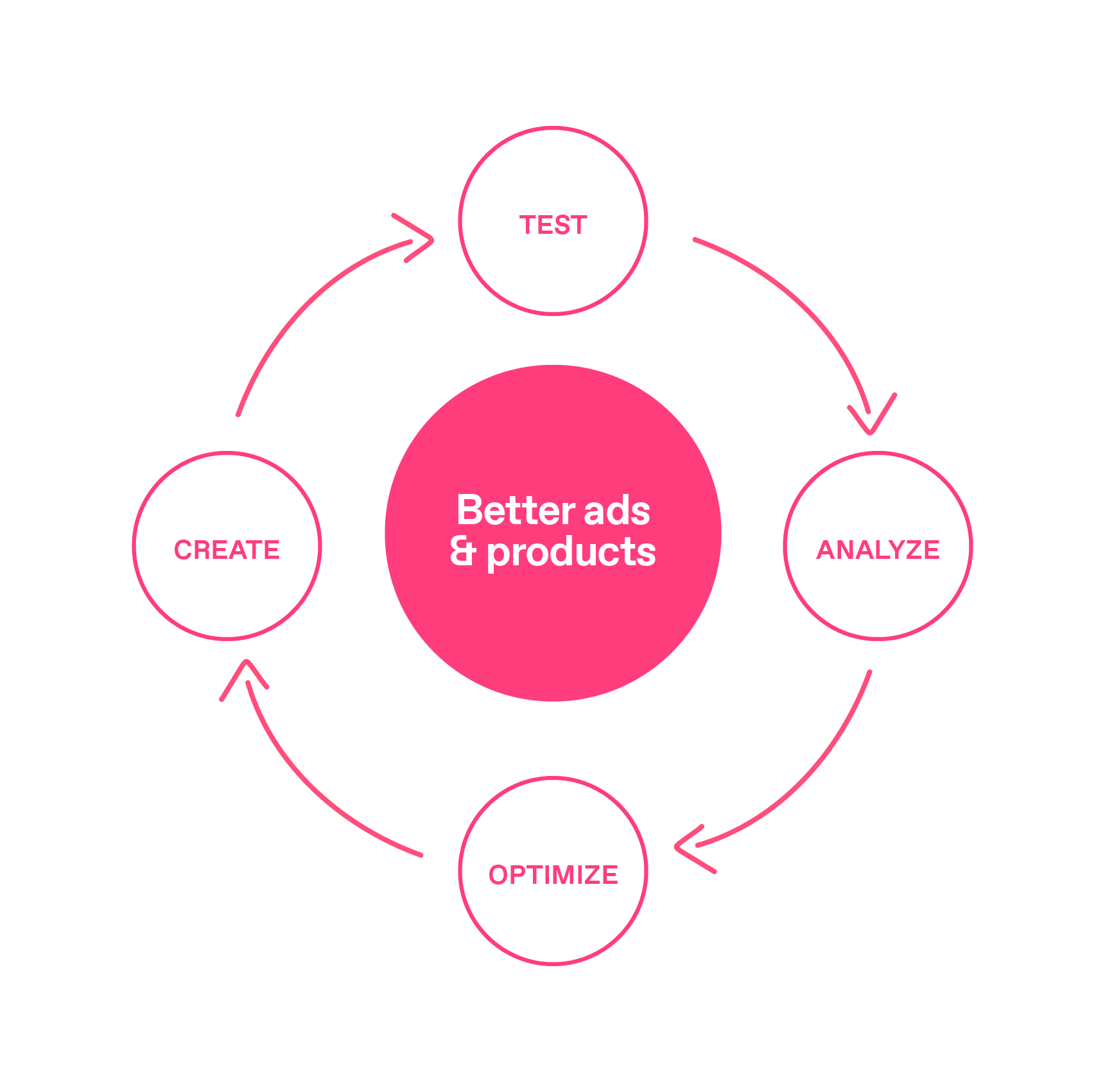
At its core, an integrated insight system is a unified intelligence ecosystem. It connects data from advertising, innovation and brand tracking into a single platform, enabling teams to make decisions based on one shared source of truth.
However, integration goes beyond simply adding data into a dashboard. True integration ensures that insights are continuously feeding into one another, so learning compounds over time rather than remaining siloed.
From there, it becomes easier to see how each type of insight contributes to the bigger picture.
Advertising insights often involve creative testing and campaign measurement, which typically focus on short-term metrics like attention, recall or purchase uplift.
Within an integrated system, these signals don’t sit on their own. Instead, they feed into broader learning loops from past advertising campaigns, helping teams understand not just what worked, but why, and how those learnings can inform future campaigns.
While advertising tells you how ideas perform in-market, innovation insights reveal what consumers want before products ever launch.
Concept testing, product feedback and early-stage validation generate different but equally valuable sets of signals. When integrated, these insights can do more than guide product development; they can help shape overall strategy. Patterns in consumer demand, unmet needs and feature preferences can influence messaging, positioning and even creative direction in advertising.
If advertising and innovation provide near-term signals, brand tracking adds the longer-term perspective.
Metrics like brand awareness, brand consideration and brand equity help organizations understand how perceptions about their brand evolve over time. When connected to other datasets, these signals can provide essential context.
A strong campaign isn’t just one that drives immediate results, it’s one that reinforces (or builds) brand equity.
Once you start to think in terms of connected insights, the limitations of siloed approaches become much more apparent.
When insights remain fragmented, the consequences go beyond inefficiency — they create real strategic risk.
For example, different teams often optimize toward different goals.
Advertising may prioritize short-term conversion, while brand teams focus on long-term brand equity. Without alignment, these metrics can pull strategy in opposing directions, leading to inconsistent decision-making.
At the same time, a lack of visibility leads to duplication.
Teams frequently test similar messaging or claims without realizing that those questions have already been explored elsewhere in the organization. The result is wasted budget and slower progress.
Perhaps most importantly, fragmentation limits agility.
When insights are trapped within departments, organizations struggle to respond quickly to changing consumer behavior or competitive pressures. The signals are there, but they’re not connected in a way that allows for timely action.
Recognizing the problem is one thing, but building a solution is another. Creating an integrated insight system requires intentional design across data and teams.
Here’s a few tips on where to focus as you get started:
It starts with consistency. Standardizing KPIs where appropriate across advertising, innovation and brand teams ensures that insights are comparable and aligned to common business objectives.
Without this foundation, integration remains surface-level. Data may live in the same place, but it won’t tell a clear or actionable story.
Once metrics are aligned, the next step is accessibility. A centralized insight repository allows teams to easily find, compare and build on existing learnings.
“With Zappi’s platform, we have a collaborative workspace where we all have access to the same tests with one click of a button. We have the analysis in one agile space, where we can adapt and change as per our analysis needs.”
- Georgina Farmer,Global Insights & Analytics Manager, Intimate Wellness, Reckitt
Insights should be structured in a way that makes them easy to interpret and apply, enabling teams to quickly connect past findings to current decisions.
From there, integration becomes an ongoing process rather than a one-time setup.
Creating formal feedback loops ensures that insights flow across functions. Advertising learnings can inform innovation decisions, innovation insights can shape brand strategy and brand tracking can guide both. Over time, this creates a continuous cycle of learning and optimization.
"A big benefit of the platform is being able to look back and see what worked and what didn't and theme the learning to focus on better product options in the future. We have learnings we can now apply and get smarter."
- Amanda Addison. Senior Manager, US Menu Insights, McDonald’s
With the right structure in place, the impact of integration becomes much more tangible.
For instance, by incorporating brand tracking data into creative development, teams can ensure campaigns align with and build on existing brand equity. This leads to more consistent messaging and stronger long-term impact.
Similarly, integrated insights allow teams to validate product ideas against real brand perceptions. Instead of launching in a vacuum, innovations are positioned in a way that resonates with how consumers already see the brand.
And when early creative signals are connected to brand impact, teams can optimize campaigns with greater confidence. This shortens the feedback loop, enabling faster, more informed decisions.
Of course, this move requires both structural and cultural change.
Here’s a few things to keep in mind when tackling the implementation process:
A practical starting point is to map current insight sources across advertising, innovation and brand teams. This helps identify overlaps, gaps and opportunities for consolidation.
From there, alignment becomes critical. Establishing shared objectives ensures that insights are used consistently across functions, rather than in isolation.
Finally, while platforms can connect and standardize data, it’s important to remember that human expertise is still essential.
Analysts play a key role in synthesizing information, identifying patterns and translating insights into action. So integration should enhance this process, not replace it.
This is also where platforms like Zappi can support the transition, by connecting creative testing, innovation validation and brand tracking into a single, connected consumer insights system.
"We are getting smarter & smarter over time by connecting all our data across brands, countries, categories, to give us meta learnings with Zappi."
- Stephan Gans, SVP Chief Consumer Insights and Analytics Officer, PepsiCo
Ultimately, with consistent measurement and cross-functional visibility, teams will be better equipped to make faster, more aligned decisions.
By connecting advertising, innovation and brand tracking under one integrated and connected insight system, organizations can gain a clearer and more complete view of performance — balancing short-term results with long-term growth.
That kind of alignment isn’t just helpful, it’s a competitive advantage. And the organizations that invest in building cohesive insight ecosystems will be far better positioned than those still operating in silos.
Dive into the current state of the insights function. Bridge the gaps between consumer research and business action. Uncover the implications for business leaders, marketing leaders and insights professionals.
Stay up to date with our latest insights, tips, and industry news.