

Learn how McDonald's has partnered with Zappi to build its test-and-learn approach to innovation, rather than a "test to earn a good score" approach.

When Salesforce entered the market, many buyers saw it as an unusual alternative to traditional enterprise software.
Companies like Oracle and SAP sold large systems installed on company servers. Salesforce offered a different model, calling it “software as a service.”
At the time, that phrase meant little. But Salesforce was not just introducing a new product. It was defining an entirely new category.
The same pattern appears in consumer markets. Oatly helped transform oat milk from a niche dairy alternative into a fast-growing category positioned around sustainability and everyday consumption.
These examples highlight a key marketing reality. Buyers rely on categories as shortcuts to understand unfamiliar products.
In this article, I’ll share how companies define, launch and ultimately own new market categories—and what marketers can learn about category marketing from the brands that do it successfully.
Download our guide for more on how to use consumer insights to take the risk out of product innovation.
Buyers rarely evaluate products in isolation. Instead, they interpret them through categories.
Categories act as mental shortcuts that help people understand what a product is, what problem it solves and how it compares with alternatives.
Research in cognitive psychology shows people naturally organize new information into categories to simplify decision-making. Without a clear category, buyers hesitate because they don’t know how to evaluate the product.
Marketing science reinforces the same idea. In How Brands Grow, marketing scientist Byron Sharp, director of the Ehrenberg-Bass Institute for Marketing Science, describes the importance of “mental availability.” Brands are more likely to be chosen when they’re easy for buyers to notice and recall at the point of purchase.
In consumer markets, those categories often appear directly in stores. Labels like energy drink, plant-based milk or functional soda signal what the product does and how to evaluate it.
If a product fits into an existing category, buyers already know how to evaluate it. But when innovation introduces something unfamiliar, marketers must help buyers understand a new solution category.
Innovation can arrive before buyers have a framework to understand it. And when that happens, marketers face a clear challenge. The product may solve a real problem. Yet, buyers don’t yet know how to evaluate it.
The common response is to position the product within the closest existing category, but that rarely works.
When a product is forced into the wrong category, buyers evaluate it using misaligned criteria, leading to confusion and slower adoption.
Clayton Christensen described this dynamic in The Innovator’s Dilemma, noting that disruptive products often look inferior when judged by the standards of the category they are replacing.
The problem isn’t the product. It’s the comparison.
Oatly faced this challenge as the brand expanded globally. Early plant-based milks were often grouped as niche dairy alternatives. Many consumers associated them with dietary restrictions rather than everyday use.
Oatly helped reframe the conversation around oat milk as a distinct product with its own benefits, including taste, sustainability and versatility in coffee.
That shift helped expand the category and illustrates an important marketing lesson.
When buyers evaluate a new product within the wrong category, they ask the wrong questions. Instead of asking whether the product solves their problem better, they compare it to alternatives designed for different purposes.
But in situations like these, better positioning is not enough. Companies must go further and define a new category.
Creating a new category is much more than a product launch. Traditional product launch campaigns focus on introducing features. Category creation changes how buyers understand the problem and the new solution being offered. Buyers hesitate to buy something new when they don’t know how to evaluate it.
Successful category launches solve that problem by helping buyers understand three things:
Why a new category is needed
How the new category solves the problem differently
Which brand represents that category
When those elements come together, buyers begin to see the market differently.
The result is more than product adoption. It’s category creation.
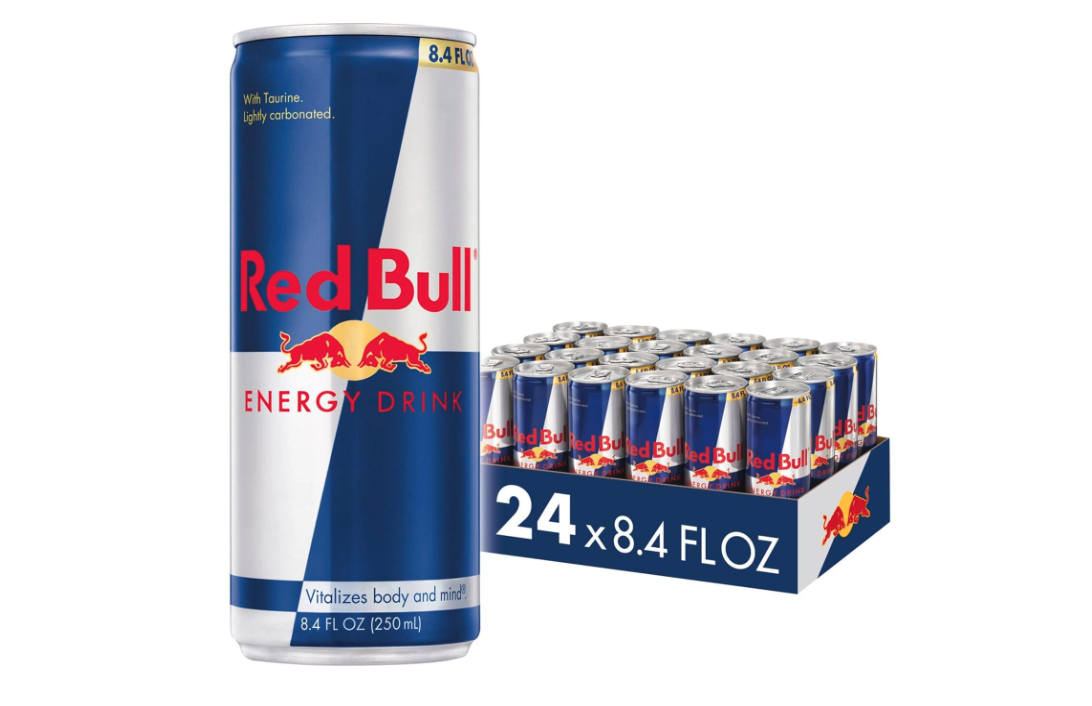
Red Bull is a strong example. The brand never positioned the drink as a soda. Instead, it helped define the energy drink category, reframing beverages around performance and stimulation instead of refreshment.
Source: Amazon
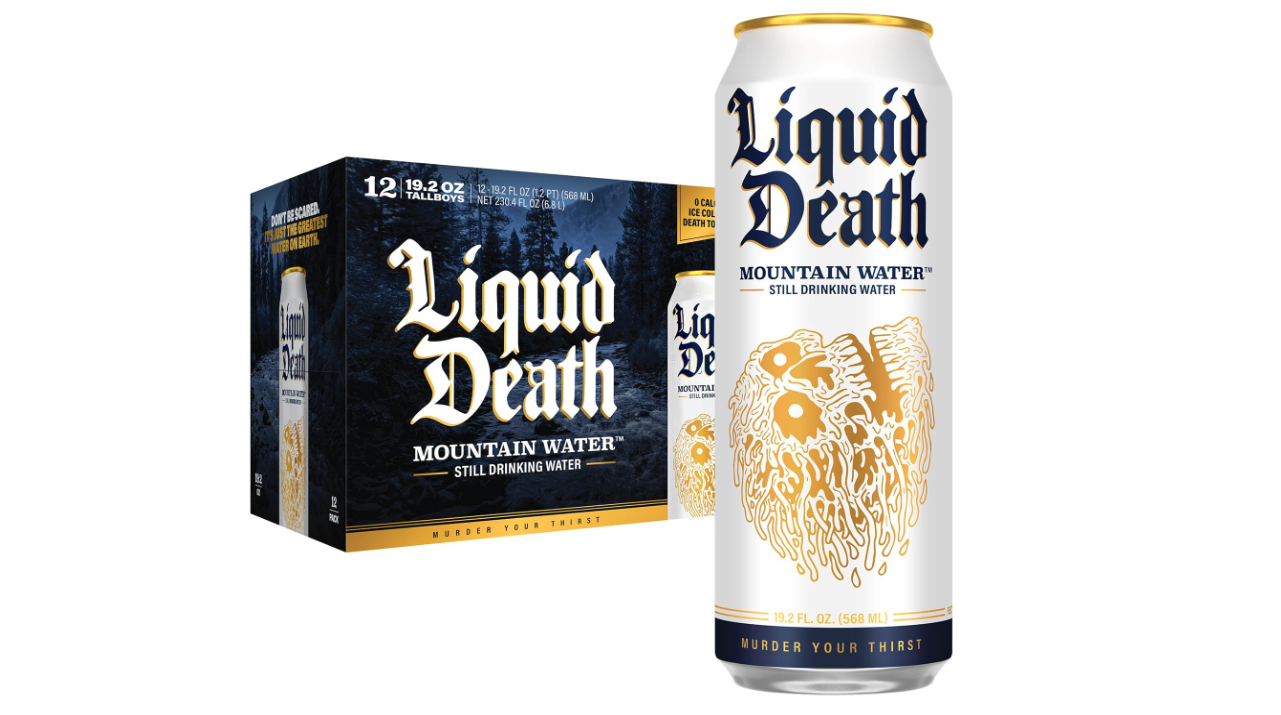
Similarly, Liquid Death has repositioned bottled water as a lifestyle product by combining dark humor, design and cultural storytelling.
Source: Amazon
These brands succeeded because they did more than launch a product.
They changed how consumers interpreted an entire category.
Category creation begins before the category itself is clearly defined.
Successful category launches start by revealing a shift in consumer behavior or expectations. This moment reframes how buyers think about an existing problem.
Only after that shift becomes clear does the new category make sense.
Category creation usually unfolds in four stages:
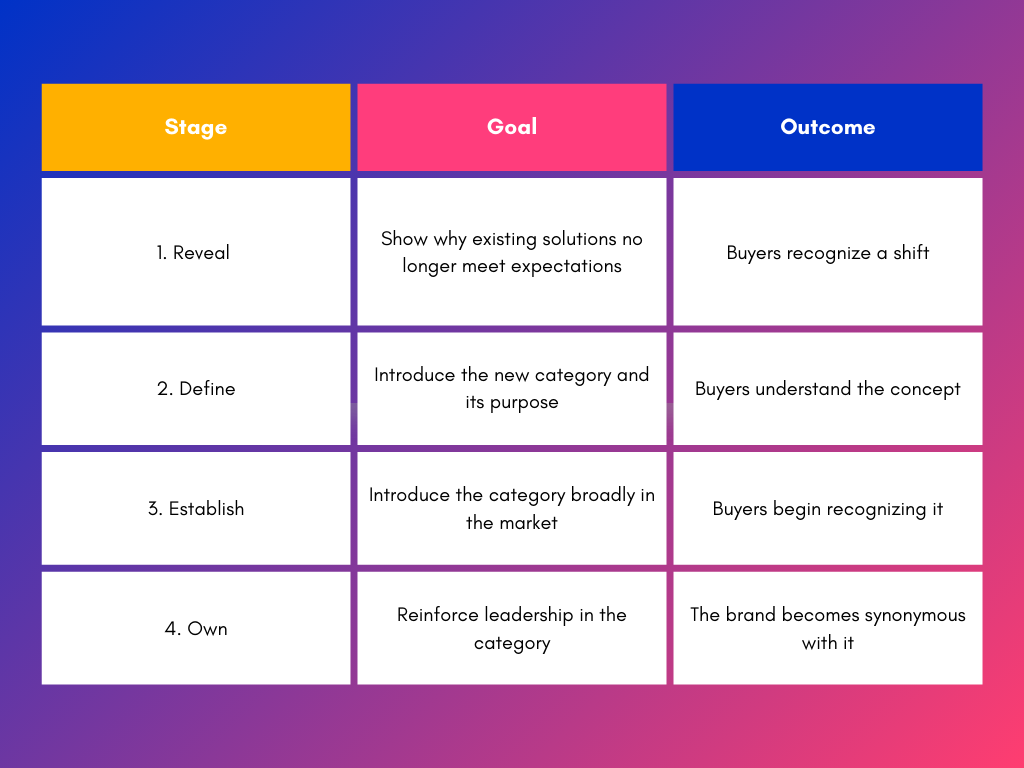
The first stage is critical because without a clear shift, a new category can feel unnecessary.
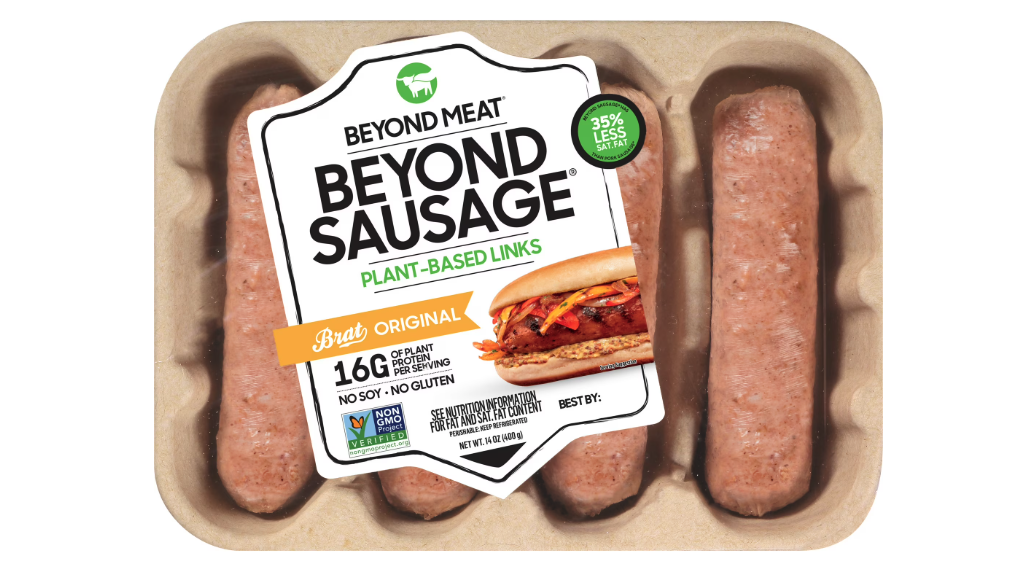
When Impossible Foods and Beyond Meat entered the market, vegetarian products already existed.
Source: Walmart
But those products were positioned primarily for vegetarians.
Instead of competing in that niche, these brands revealed a broader shift: many consumers wanted to eat less meat for health or environmental reasons without giving up the experience of eating meat.
That shift created space for a new category: plant-based meat designed to replicate the taste and texture of beef.
Once that framing took hold, the category expanded rapidly. By 2024, U.S. plant-based food sales surpassed $8 billion, signaling mainstream adoption.
New categories succeed when buyers see the problem differently. This is what defines how to market a new category.
Defining a category internally is only the first step. The real test comes when the market encounters the idea for the first time.
Category launch campaigns are not typical product announcements. It signals that buyers' understanding of the problem is changing. That requires clear storytelling and strong creative that makes the shift easy to understand.
In the early stages, clarity matters more than cleverness.
Buyers need to grasp three things quickly:
What the problem is
Why existing solutions fall short
How the new category reframes the solution
When those ideas are communicated consistently, buyers adopt the new language and mental model.
A strong category launch does not simply introduce a product.
It introduces a new way to understand an everyday product.
Launching a category introduces the idea. Owning it requires repetition.
The brands that lead categories consistently reinforce the same core narrative across campaigns, products and cultural moments. Over time, this repetition shapes how buyers think about the market itself.
When Red Bull expanded globally in the 1990s, the energy drink concept was unfamiliar in many markets. Through consistent messaging like “Red Bull gives you wings” and long-term investment in sports and culture, the brand became closely associated with the category it helped establish.
This is what category ownership looks like. When buyers think of the category, they think of the brand. Red Bull, Kleenex, Xerox, the list goes on.
That association creates powerful strategic advantages. Category leaders benefit from stronger mental availability, clearer differentiation and greater resilience as competitors enter the market.
Maintaining that leadership requires constant refinement. As markets evolve, marketers must continue testing creative, messaging and innovation ideas to ensure the category story remains clear and compelling.
Platforms like Zappi help brands test campaigns and product ideas quickly, giving teams the confidence to strengthen their position as the category evolves.
In the end, brands compete on more than products. They compete on understanding.
Download our guide for more on how to use consumer insights to take the risk out of product innovation.
Stay up to date with our latest insights, tips, and industry news.