
Learn how McDonald's has partnered with Zappi to build its test-and-learn approach to innovation, rather than a "test to earn a good score" approach.

PopCorners was preparing its first Super Bowl ad when consumer research revealed a problem. Viewers associated the red pack on screen with Doritos. That finding led the team to switch to the blue white-cheddar pack before shooting the spot.
PopCorners had something a first-time Super Bowl advertiser might lack: access to benchmarks from more than 1,000 ads PepsiCo had already tested. Those earlier studies gave the team context for judging its own creative and the ability to apply that learning to future campaigns.
The research investment didn’t begin and end with one Super Bowl spot. PepsiCo had already run the research to learn from earlier ads and give the brand a better starting point for its next Super Bowl spot.
In this article, I’ll explain how to build an advertising learning process that allows you to turn campaign findings into guidance for future creative and measure whether your advertising is improving.
An advertising learning system is the repeatable process of using what you’ve learned in one campaign to improve the next through your research platform. It connects the ads consumers saw with their responses, the changes the team made and the results after launch.
Walkers’ Christmas campaign shows the advertising learning system in action. Early testing of its “too good to share” idea found that some viewers felt the joke about keeping the crisps conflicted with the holiday's spirit of sharing. As a result, the team changed the ending to include sharing.
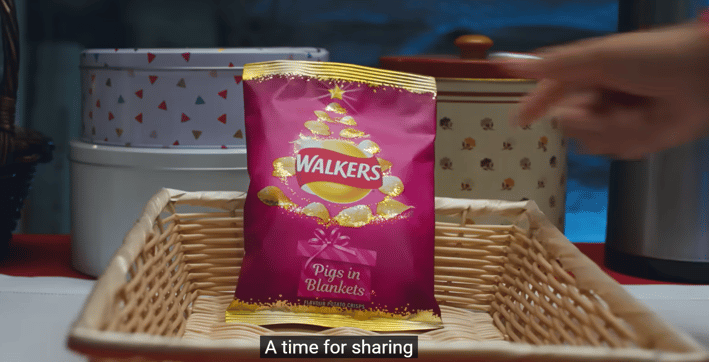
A campaign report could stop at the revised ending. A learning system carries forward the question behind it: does the brand’s familiar joke work differently at Christmas? That question could affect the next seasonal idea before anyone writes a script.
A new agency can watch last year’s commercial and have no idea why the team chose that approach. When the people involved move on, their replacements typically spend time and money answering questions the brand has already investigated.
By making past research part of agency and internal team processes, incoming teams can learn about what’s worked (or hasn’t worked) in the past without having to start from scratch.
If you had the opportunity to learn from what’s worked before, why wouldn’t you? PepsiCo connected its insights teams through its ADA platform, with Zappi’s Amplify advertising system supporting consumer feedback across creative development.
With this connected access to past data, teams could examine when viewers skipped, whether they watched the full ad and whether they remembered it after seeing it among other ads, as well as which elements were strongest. Those results were available through the platform to insights leaders in individual markets, allowing them to see past performance.
“In short, every time we test an ad, the whole of PepsiCo gets smarter.”
— Stephan Gans, Chief Consumer Insights and Analytics Officer at PepsiCo
Useful research doesn’t mean it gets used immediately in the next campaign. If it’s not documented well or handed to the right person, it can languish on a hard drive. The breakdown often happens in one of three places.
A brand manager preparing a Christmas brief may want to know how consumers respond to seasonal humor. If past findings are in a file named “2023 campaign final,” it’s harder to find and incorporate past research.
Even after finding the deck, the manager may have to work through dozens of slides to locate something relevant. That’s why having a connected insights system and process in place is key, so teams can get into the habit of referring to past learnings within a shared platform instead of starting from scratch each time.
A completion rate tells you how many viewers watched an ad to the end, but that metric alone can’t tell you whether they remembered the advertiser.
Johnsonville's “Keep It Juicy” ad development illustrates why teams need to look beneath an encouraging score. The rough cut had strong predicted sales impact but weaker predicted brand impact. That difference gave the team a reason to strengthen the brand’s role before production.
Creative effectiveness measurement should expose those differences because calling the ad a strong performer would have hidden the branding opportunity. Calling it a weak performer would have overlooked the idea’s potential.
Someone reviewing a campaign should be able to find the ad that ran and the research behind it. If a new agency reviews the finished commercial and its results but doesn’t know why certain decisions were made, it can’t build on the success.
Keeping the creative, the research and the rationale behind decisions together is key. A connected insights platform centralizes the learnings and knowledge across teams, in one place.
A campaign learning framework needs four components.
Ask the same core questions and metrics each time you test an ad. For example:
Keep these measures consistent within your ad testing framework so you can compare results across campaigns.
A creative learning agenda names what you want to find out through upcoming campaigns. The recurring checklist measures each ad’s performance; the agenda helps you investigate recurring problems. For example:
The point is to choose a question that matters to the next brief. To investigate the first example, test the same joke with the product woven into the scene and with the product appearing only at the end. Keep the audience and testing method consistent.
Rather than asking whether people like the ad, you’re asking which treatment makes the joke work harder for the brand or if it even makes sense to include.
Organize findings where teams can search by the question they’re trying to answer. Tags such as seasonal, humor, product feature, celebrity and more help someone find relevant research without needing to know a campaign’s name.
Ideally, this would live in your advertising research platform, allowing you and other teams to easily see what’s worked well in the past or which combinations could be winners for your brand.

Zappi’s Amplify advertising system lets you do just that, so you aren’t simply creating better ads, but building better advertising for your brand.
You can learn from every win, spot what works and improve where it matters — then use that feedback to make big decisions worth the investment.
You should also use benchmarks to answer two questions: how does this ad compare with relevant advertising in its category and market, and how does it compare with the brand’s previous work?
An ad might beat the brand’s last three campaigns on brand recognition while remaining below the category benchmark. That calls for a different conversation from an ad that performs strongly against both.
With results to compare, advertising insights can inform more than a single campaign. Here are the top questions it should answer:
Does your target audience have a lot of love for your brand mascot? What about a celebrity you’ve used in the past? Are your brand colors instantly recognizable? Or do your viewers respond best to dry humor?
Certain creative elements perform better than others with the audience you’re trying to reach. A connected advertising learning system should let you easily access these top performers from past research, so you can better understand what resonates with your viewers.
Emotions play a major role in whether people remember your ad and how your brand makes them feel.
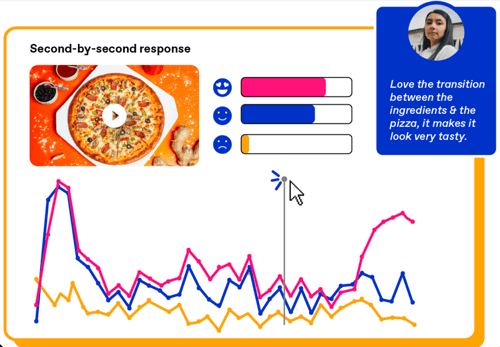
In Zappi’s Amplify advertising system, viewers are able to select emojis such as Love, Like, Laughter and Surprise that correspond to what they feel at each moment while watching an ad. They can also express Confusion, Sad, Dislike and Anger, or select “none of the above.” Afterward, they identify the overall emotion they felt.
These responses show which moments prompted a reaction and how viewers felt after watching. A rise in Confusion after a product claim points to a different problem than a joke that produces no Laughter. But either way, this allows users to see where claims, messaging or any areas of an ad fall flat.
By combining emotional responses with measures like brand recall, brands can assess and predict effectiveness. Emotional reactions alone don’t give the full picture, so make sure you also compare these responses with measures like brand recall or consideration. After all, people can laugh at your ad but still think it’s for your competitor.
Choose audience comparisons that matter most to the brand and campaign. For example, a lactose-free milk campaign might distinguish shoppers who already buy lactose-free products from those considering a switch. The first group may understand the benefit immediately; the second may need an explanation.
Someone who’s never tried lactose-free milk may wonder whether it tastes different. Those shoppers need different things from the ad.
Judge the response against whom the campaign needs to reach and what it needs them to understand or do.
An advertising effectiveness framework should assess whether viewers connect the creative with the brand. Examine distinctive brand assets, or DBAs: recognizable cues such as brand colors, sounds or characters and whether people connect each cue with the brand and whether it remains effective across campaigns.
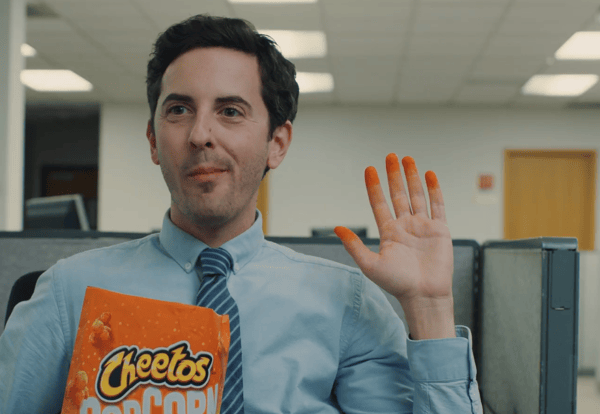
Cheetos' “Can't Touch This” made orange-dusted fingers central to the joke that eating the snack gave people an excuse to avoid tasks due to the dust it leaves behind — a distinctive trait, and DBA, the brand could easily claim. The humor depended on something recognizable about eating Cheetos. As one customer said in the Zappi case study, “...you can’t touch things or people when your hands are orange from eating them…”
When teams can compare campaigns easily, it’s easier to see when to repurpose past creative choices and when to avoid certain approaches. The questions below help keep the agenda practical.
Budweiser and its iconic Clydesdales claim some of the most heartwarming ad narratives. In its 2025 Super Bowl ad, “First Delivery,” a young horse is left behind when the team leaves on its deliveries. When a loose keg falls off the wagon, the youngster sees its opportunity to be a hero. 50% of viewers said the Clydesdales were the cue that made them realize it was a Budweiser ad, and unaided brand recall reached 85%.
Budweiser shows how brands can build on familiar creative elements while finding fresh adaptations. By tracking the characters and brand cues across campaigns, marketers can identify what resonates and what to keep.
Best practices should tell a creative team what to do or at least give them a better starting point. Think of Snickers’ long-running “You’re Not You When You’re Hungry” campaign. Over the years, the brand has put everyone from Betty White to Mr. Bean in situations where they’re not themselves because they’re hungry.
The characters and settings change, but the creative formula is the same. Show someone behaving out of character, discover they’re hungry, and bring them back with a Snickers.
That’s a repeatable creative format that can go into briefs and brand guidelines. Over time, the brand builds specific storytelling devices and brand cues that work, and they can test new ones against the benchmark.
Every future brief should build on what the brand learned earlier. That’s the goal of a continuous advertising learning system.
Vodafone Smart Tech’s testing for its Neo kids’ smartwatch highlighted the need to capture attention early, strengthen the association between Vodafone and the product category and use shorter ads in future digital campaigns.
A working guideline could read: “Develop a short digital execution that introduces the smartwatch early and clearly connects it with Vodafone. Test whether viewers recognize the brand and understand the product before they skip.”
Each new brief could build on those findings. Such as: “Previous research highlighted the need to connect the smartwatch with Vodafone. Develop two openings: one showing a child using the watch and another showing a parent explaining its benefit. We’ll compare whether viewers understand the product and recognize Vodafone before skipping.”
This is only an example, but it shows how sharing earlier test results and creative provides context before scripting.
Turo used Zappi research to select “Skip the Rental Counter” for its Philadelphia campaign, even though the creative team initially preferred other concepts. They found even the car mattered: a yellow, outdoorsy SUV tested better than sleeker alternatives.
After the campaign ran, Philadelphia became Turo’s fastest-growing US market, with roughly 50% year-over-year growth within six months. Those results helped the team secure investment in a national campaign.
The IPA’s Binet and Field research summary recommends measuring both short- and long-term effects of a test. Track bookings during the campaign and after to see if the bump sustains.
How do you know whether your advertising learning system is actually working? Look beyond the results of individual campaigns and assess whether your team is getting better at creating effective advertising over time.
Here are four signs to measure your advertising learning system's success.
Start by establishing a baseline using relevant industry benchmarks and your own creative testing results. As you test more campaigns, you’ll build a clear picture of what good looks like for your brand.
With benchmarks in place, track how often ads fall short. If four out of ten missed your benchmark last year but only two out of ten miss this year, that’s progress to celebrate.
Track whether fewer ads struggle with brand recognition or if there’s less confusion in the brand messaging. With each campaign, you get smarter over time and start from a more informed place.
For a Johnsonville product launch, the agency supplied three alternative cuts after an initial spot showed room for improvement. Its insights team tested them over the weekend, and the agency had a direction by Monday.
If your team already knows which product shots, messages and storytelling approaches have worked in the past, then they can use that evidence to focus on fewer options before testing. This can shorten your optimization cycles so you find proven winners faster.
Are more consumers remembering your brand? Are your ads getting better at communicating the product’s benefits or message?
Compare your creative testing scores across campaigns. For example, if brand recall has been a persistent weakness, track whether new ads are closing the gap with your category benchmark. Look at emotional engagement and purchase consideration, too.
The goal is stronger ad performance across the measures that matter to your brand. Your team can get consistently better results by building on the previous learnings.
An advertising learning system is only useful if people can find and apply the learnings. That means making research accessible to creative teams, agencies, insights professionals and anyone else who’d benefit. Don’t leave the findings buried in presentations or Kate in marketing’s Google Drive.
If the creative agency loves a concept but the brand manager worries the product is getting lost in the story, an advertising learning system lets you review the data to see which elements are working.
Shared evidence gives teams a common basis for making decisions.
An advertising learning system only works when everyone knows what's available and is trained to access and use it. But other elements can also support adoption.
Recognize teams for what they learn and how they use it. When an agency tests three alternative cuts over a weekend and comes back Monday with a stronger direction, everyone can celebrate with shout-outs in Slack. Later, share the before-and-after results and give credit where it's due.
Make the benefits of experimentation visible, too. If a team caught a branding mistake before production or improved an ad’s emotional response after testing, these are worth celebrating. A culture of experimentation and curiosity improves learning.
A brand manager shouldn’t have to email the insights team every time they want to check what consumers thought of the previous campaign. An advertising learning system makes those findings easy for everyone to find.
Pernod Ricard gave marketers the tools and training to conduct their own research and pretests. With guardrails in place, marketers completed tests with a consumer insights professional before running projects independently. Within ten months, over 350 marketers had run their own tests within the rules established by the insights team.
Results were shared with the marketing and insights teams through a knowledge management system. With the marketers able to run tests and have access to consumer feedback, the insights specialists could pursue more complex research.
Your next campaign brief should start with what you’ve already learned. What worked in previous campaigns? Which creative approaches have communicated your message best? Which campaigns haven’t worked?
An advertising learning system helps teams answer those questions using evidence from past campaigns rather than starting from scratch. With each campaign, your brand gains a strategic advantage because you’re learning what works.
With Zappi’s Amplify advertising system, teams can test new creative and connect results with previous learnings, building a stronger foundation for the next campaign.
Stay up to date with our latest insights, tips, and industry news.